REVIEW · BUCHAREST
From Bucharest: Small Group Day Trip to Medieval Bulgaria
Book on GetYourGuide →Operated by EASTERN EUROPEAN EXPERIENCE · Bookable on GetYourGuide
A medieval day trip from Bucharest sounds wild. I love the UNESCO Ivanovo Rock Churches and the Tsarevets fortress above Veliko Tarnovo, but it’s also a long 12-hour loop with early starts and plenty of walking.
You’ll cross into Bulgaria on the Danube via the Friendship Bridge, then spend the day in a small-group rhythm with a licensed English guide and a careful driver. I also like that the stops are chosen to explain the “why” behind the scenery, not just point at it.
Then you’ll step into Arbanassi’s quieter streets and see how 16th- and 17th-century wealth and faith played out on the ground, with a lunch break that’s on you to arrange.
In This Review
- Key highlights to look for
- From Bucharest to Bulgaria: Border Time, Passport Stamps, and Early Starts
- Ivanovo Rock-Hewn Churches: The UNESCO Stop That Feels Like a Secret
- Veliko Tarnovo’s Artisans Street: Real Workshops, Real Craft, Turkish Coffee Copper
- Tsarevets Hill and the Fortress: Second Empire Power Up Close
- Arbanassi Village: Architectural Reserve Time Travel (With a Small Reality Check)
- Lunch and Timing: How to Plan Your Break in a 12-Hour Schedule
- Guide and Driver Quality: Why Names Like Pavel, Tudor, Coco, Carmen Matter
- Price and What’s Actually Included in the $87 Day Trip
- Should You Book This Bucharest to Veliko Tarnovo Day Trip?
- FAQ
- What’s the duration of the trip?
- What’s included in the price?
- Is lunch included?
- Are entry tickets and photo fees included?
- Do I need a passport for this tour?
- Will the departure time be the same year-round?
Key highlights to look for
- UNESCO Ivanovo Rock Churches: rock-hewn chapels with 13th-century restored details
- Tsarevets fortress on the hill: Patriarchal Church, Royal Palace areas, and Emperor Balduin’s Tower
- Samovodene Artisans Street: watch crafts that still feel genuinely practiced, like copper work for Turkish coffee
- Arbanassi Village: an architectural reserve with old houses and churches dating back to the 1500s
- Konstantsalieva House: a merchant-nobility snapshot from the 1600s
- Guide-led pacing: many groups are praised for punctual starts, clear English, and smart stop timing
From Bucharest to Bulgaria: Border Time, Passport Stamps, and Early Starts
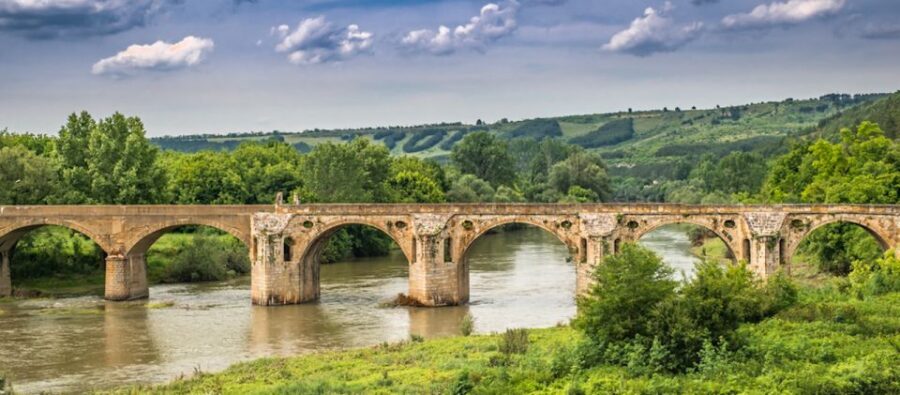
This day trip starts with hotel pickup in central Bucharest, then heads south toward the Romanian–Bulgarian border. The first “real” milestone is crossing the Danube River and the Friendship Bridge, which is exactly the kind of thing that turns a history day into an actual route. You’ll be in the van for a while, so bring something to pass the time and expect a full day rather than an easy stroll.
A practical note for paperwork: if you’re traveling as a non-EU citizen, you should make sure your visa is eligible for multiple entries into Romania. Also, plan on using your passport at border crossings—multiple guides and guides’ teams have handled situations where people needed passports for the entry/exit stamps process.
On timing, check your departure time closely. There was a period when bridge maintenance between Romania and Bulgaria forced departures to be earlier than usual, so your “typical” start might shift depending on current border conditions. Either way, you’re choosing a day trip over an overnight stay, so the schedule will feel tight.
A few more Bucharest tours and experiences worth a look
Ivanovo Rock-Hewn Churches: The UNESCO Stop That Feels Like a Secret
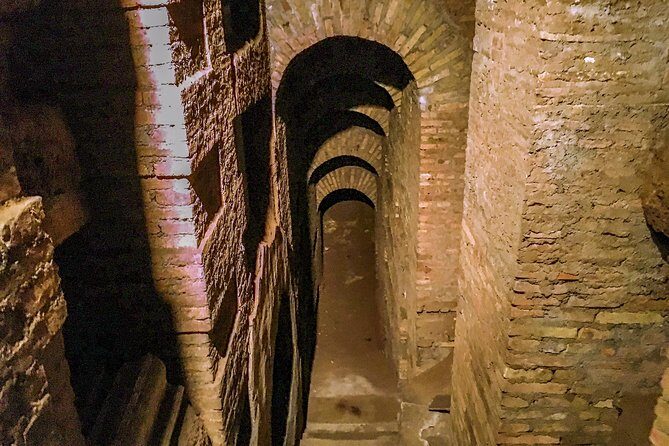
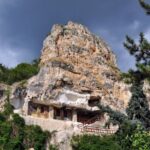
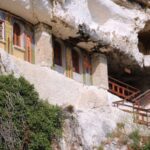
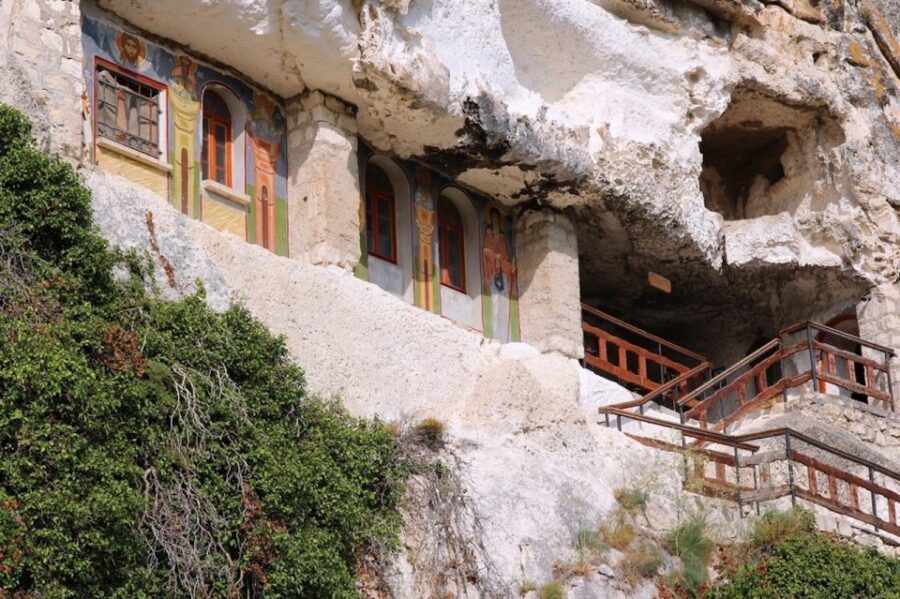
The morning stop is an exclusive visit to the Rock-Hewn Churches near the village of Ivanovo. These aren’t just a single church. You’re looking at Bulgarian medieval churches, chapels, and monastic cells cut into the craggy gorge of the Roussenski Lom River.
What makes this place hit is the mix of scale and detail. You’ll see inscriptions, portraits of saints, and other restored elements connected to the 13th century. Even if you’re not the type who reads every inscription on vacation, the setting does part of the explaining: the rock-carved design made sense when travel and security were completely different from today.
Wear shoes with real grip. This area can mean uneven ground around the gorge, plus standing still for photos when you’d rather be walking. Also keep an eye on extras like photo fees; those aren’t included, so it’s smart to assume there could be small add-ons once you’re there.
Veliko Tarnovo’s Artisans Street: Real Workshops, Real Craft, Turkish Coffee Copper
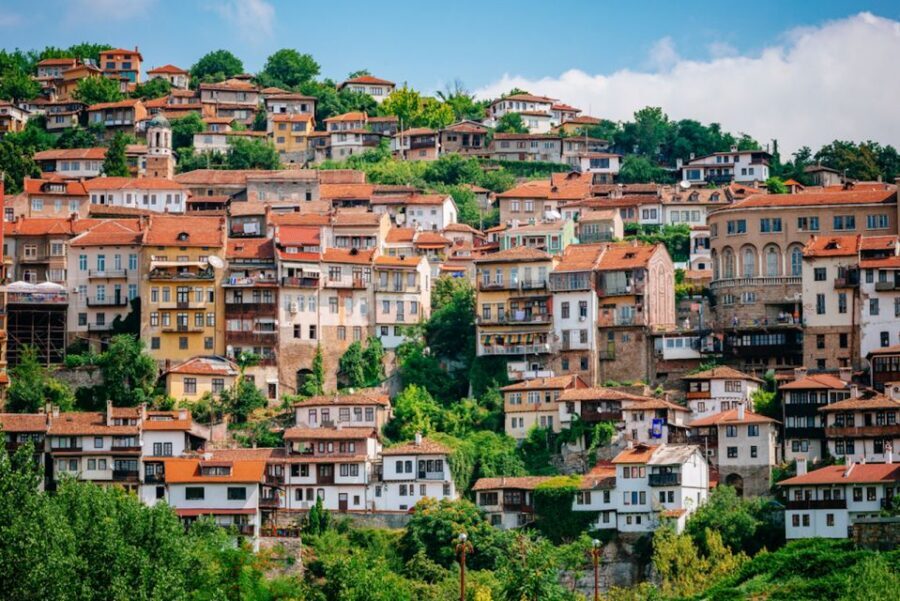
Next comes Veliko Tarnovo, the historic capital of the Second Bulgarian Empire. The city has plenty of museums and sites, plus a student energy that shows up in daily life, not just in nightlife. For this trip, you’re not trying to conquer the whole city—you’re hitting the parts that connect power, faith, and craft.
The star “by feel” is Samovodene Artisans Street. This area is packed with workshops owned by Bulgarian families for generations, and you get the chance to see active processes rather than only displays. The coppersmith workshop is a highlight: you can watch how copper plates and cups are made for Turkish coffee. That detail matters. It’s not an abstract museum craft—it’s something tied to a living regional ritual.
If you love hands-on culture, this is your best stretch of the day. You’ll get a sense of what people actually made and used, and you’ll understand why these medieval and renaissance-era centers survived: they produced goods, not just legends.
Tsarevets Hill and the Fortress: Second Empire Power Up Close
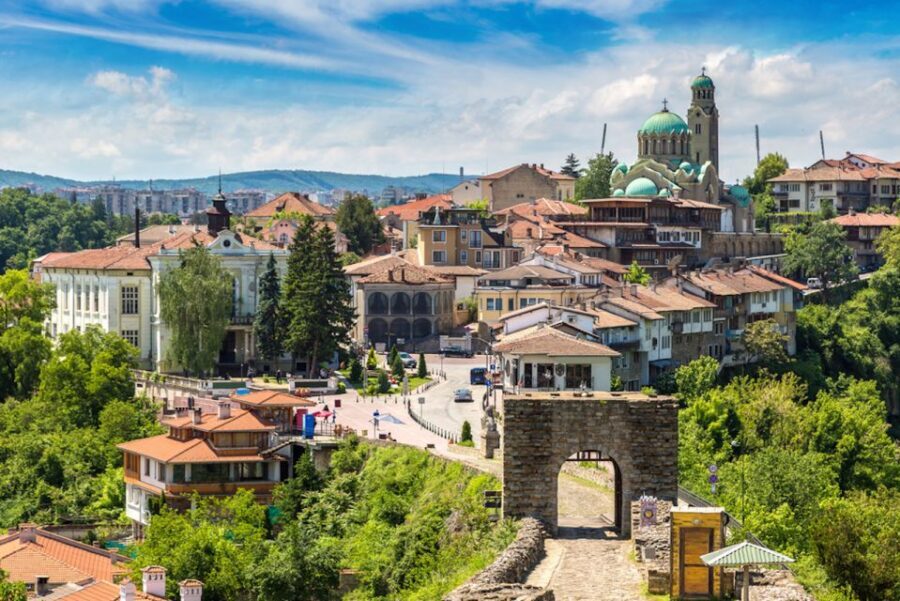
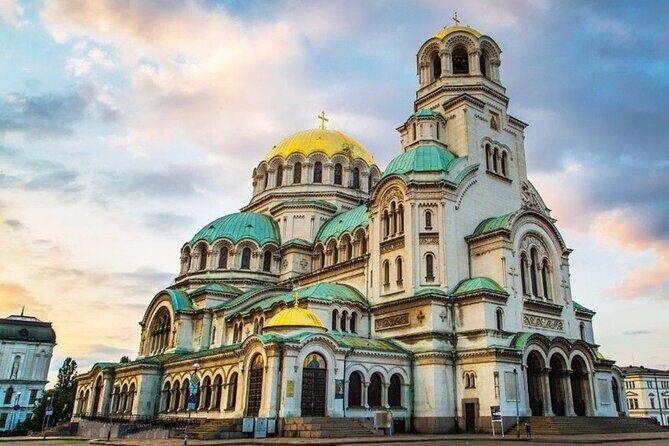
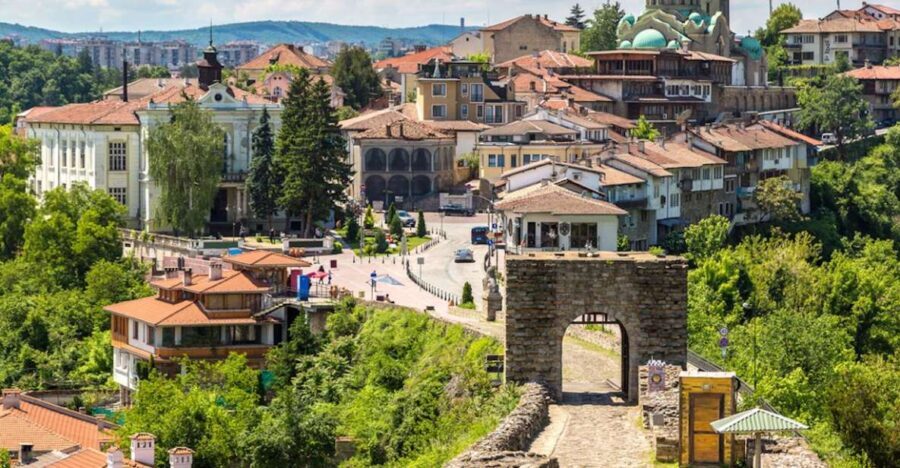
After artisans, you climb Tsarevets Hill. The fortress complex is dramatic on purpose—built up on top of a local hill since the 12th century, it once functioned as a center of royal authority and defense. When you arrive, it’s easier to understand medieval rule because you can literally see why strength and visibility mattered.
Your walk covers major sections tied to the story of Bulgarian kings. You’ll see the fortress remains, including the castle/church area on the hill, the Patriarchal Church, the Royal Palace areas, and Emperor Balduin’s Tower. Each stop gives you a different angle on how the site worked: worship space, ruler space, and defensive space.
Be honest about your pace. This is one of those “worth it” climbs, but it’s still a lot of steps across a long day. If you’re sensitive to walking, plan to take short breaks and don’t feel pressured to sprint for photos. The hill rewards slow viewing.
Also note a small timing reality: some groups feel they’d like more time around the city center after lunch, because the day is built around the fortress and the surrounding set pieces. That doesn’t make the plan wrong—it just means you’re buying concentration, not wandering freedom.
Arbanassi Village: Architectural Reserve Time Travel (With a Small Reality Check)
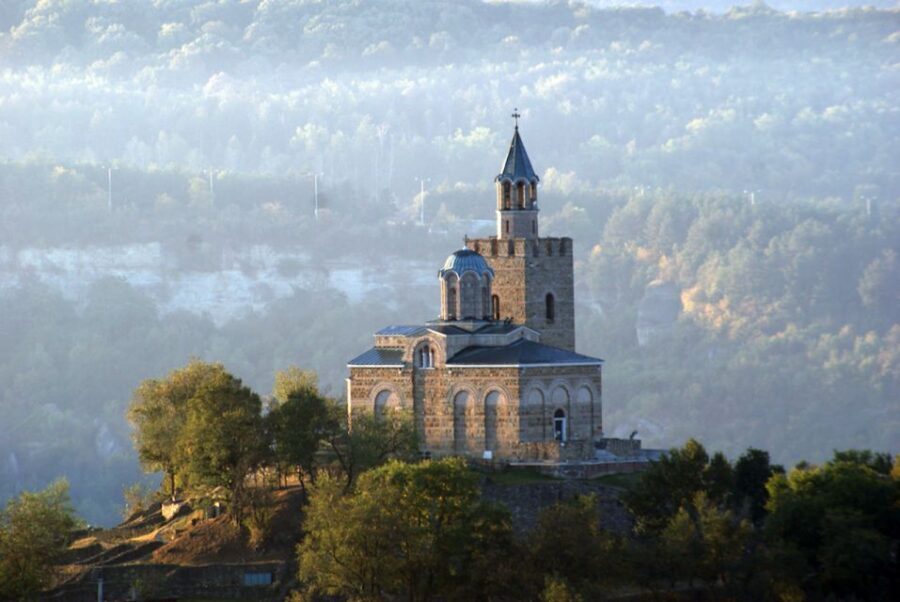
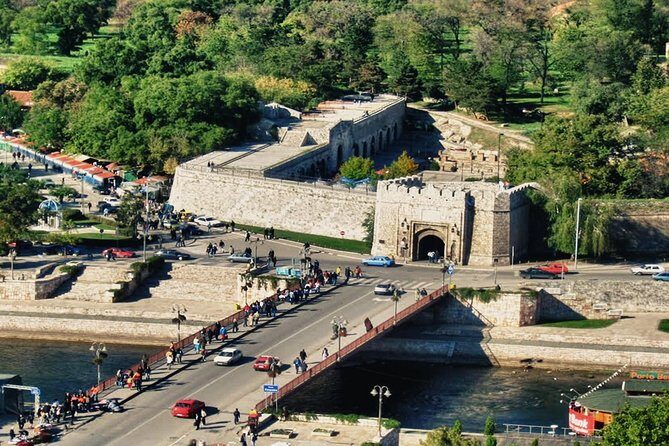
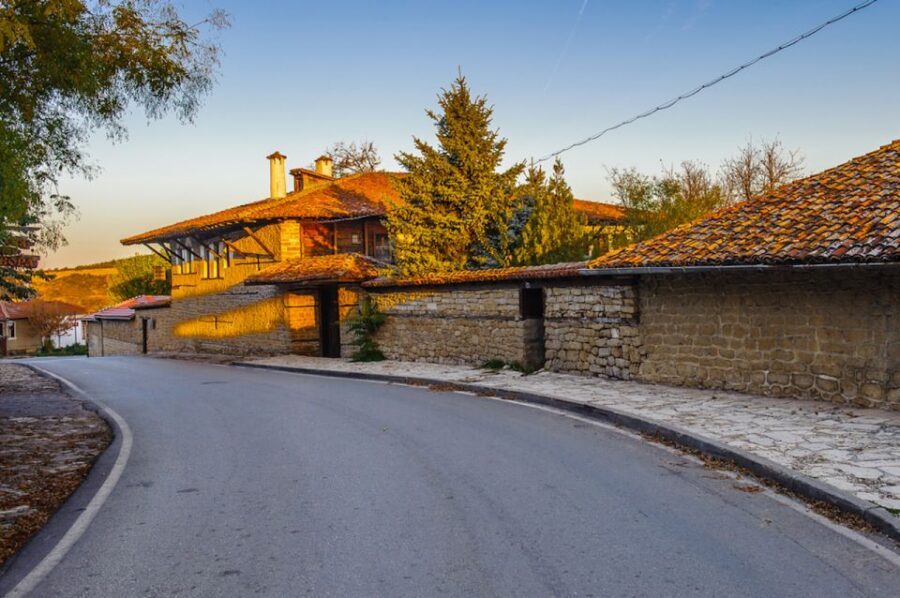
Then you head to Arbanassi Village, described as an architectural reserve unique in Bulgaria. This stop works best if you like old streets, old stone, and the way time changes the feel of a place. You’ll wander lanes lined with houses and churches dating as far back as the 16th century, which creates a different mood from Veliko Tarnovo’s busier energy.
You also visit the Konstantsalieva House, a look into the life of rich merchants from the 17th century. This is where the day connects wealth to everyday objects and domestic spaces. You’ll come away with a better sense of how prosperity looked when it was tied to trade, religious art, and status—not just big buildings.
Balance note: Arbanassi Village is sometimes the stop that feels less like a working community and more like a preserved environment. If you’re hoping for constant village-life bustle, you might find it quieter than expected. But if your goal is understanding architecture and historical lifestyle, Arbanassi delivers exactly that.
Lunch and Timing: How to Plan Your Break in a 12-Hour Schedule
Lunch is not included, but the day typically includes a stop at a local restaurant once you’ve done the heavy sightseeing legs. That means your best move is to come prepared to make a quick decision on what to eat rather than hunting for the perfect meal like you would on an open-ended day. The good news: the itinerary structure usually leaves room for food without turning it into an awkward detour.
Some people also recommend bringing cash to exchange or change ahead of time, especially because you’re crossing borders and paying for things outside the included items. While your exact options depend on the restaurant and the day, carrying some local currency can remove stress.
Also consider your energy for the return drive. By the time you’re done with Arbanassi and lunch, you’ll turn back toward Bucharest. Treat the van ride as part of the experience, not “lost time.” Your guide will often use that ride for stories and context, which makes the route feel less like driving and more like moving through a narrative.
Guide and Driver Quality: Why Names Like Pavel, Tudor, Coco, Carmen Matter
This kind of day trip lives or dies by the guide. In this route, guides are repeatedly praised for being punctual, communicating clearly in English, and keeping the group moving without feeling rushed in every moment. You’ll see the same pattern across different guides’ names—people like Pavel, Tudor, Coco, Carmen, Razvan, Alin, Yulian, and Victor show up in feedback tied to safe driving and strong storytelling.
A good sign: guides often look for real photo moments, not only official stops. One group talked about a guide slowing down for storks on telegraph poles—small scene, big reward. That’s the difference between a checklist tour and a human-led day.
Driver skill also matters on this route. Many comments highlight the feeling of safety and comfort in transit, which is key when you’ve got a long day and border crossing involved. If you’re picky about comfort, choose this tour for the “structured but handled” feeling—pickup and drop-off are included, and the route is designed for one-day coverage.
Price and What’s Actually Included in the $87 Day Trip
At $87 per person, this day trip is built for value through organization. You’re paying for a licensed private guide plus pickup and drop-off from centrally located Bucharest accommodations. You also get skip-the-ticket-line assistance for the included attractions, which can save stress when you’re managing time.
What’s not included is just as important:
- Lunch
- Photo fees
- Entry tickets for the listed attractions
So the real cost depends on what you spend on entrances and lunch. If you budget for those upfront, the total can still feel reasonable because you’re getting a full circuit of major sites: a UNESCO rock-hewn complex, the Second Empire hub at Tsarevets, artisan craft at Samovodene, and the preserved architecture of Arbanassi.
Also worth noting: the tour runs for 12 hours. That’s a full-day commitment, so the value comes from doing several “big” places in one go rather than saving money on time by traveling independently.
Should You Book This Bucharest to Veliko Tarnovo Day Trip?
Book it if you want a concentrated day of medieval sites with strong storytelling and a practical plan. This is especially good for first-time visitors who don’t want to arrange border logistics, driving, and site timing on their own. If the idea of seeing the Ivanovo Rock Churches and climbing Tsarevets Hill in the same day sounds like your kind of history trip, you’ll likely feel satisfied.
Skip it or consider an overnight instead if you dislike long drives, lots of steps, or you want deep free time for shopping and wandering in Veliko Tarnovo. Some people even wish they had more time after lunch for the city center, and Arbanassi may feel more curated than lively depending on what you’re seeking.
FAQ
What’s the duration of the trip?
The trip runs for 12 hours.
What’s included in the price?
Pickup and drop-off from centrally located hotels/hostels and a licensed private guide are included.
Is lunch included?
No. Lunch isn’t included.
Are entry tickets and photo fees included?
No. Entry tickets for the mentioned attractions and photo fees are not included.
Do I need a passport for this tour?
Yes. Border crossings involve passport stamping, so bring your passport.
Will the departure time be the same year-round?
Starting times can change. In particular, maintenance on the border bridge in 2024 led to earlier-than-usual start times, so it’s smart to check your specific departure time for your dates.
If you want, tell me your travel month and what you care about most (church art, fortress views, crafts, or slow strolling). I’ll help you decide if this format fits—or if you’d be better off with more time in Veliko Tarnovo.