REVIEW · BULGARIA
Seven Rila lakes to Rila monastery guided Trek
Book on Viator →Operated by Split The Mountain · Bookable on Viator
Seven lakes, one monastery, two intense days. I love how the trek links Seven Rila Lakes with an overnight at Vazov Hut, so you get big high-mountain scenery plus a real mountain night. You’ll also like that the route is guided end to end, including the named lakes and the viewpoint at Razdela Pass, then finishing at Rila Monastery, Bulgaria’s most important active Orthodox site. The main thing to plan for is effort: this is a long, sometimes steep two-day hike on off-trail mountain paths, so you’ll want decent fitness and proper boots.
What makes it work smoothly is the human factor. UIMLA-certified mountain guides run the show, and the guides (like Pavel and Nikolay) make a point of calling beforehand to talk packing and what to expect, which takes the edge off day one. Plus, the group stays small—up to 6 people—so the pace and timing feel more like a planned adventure than a cattle call.
In This Review
- Quick hits you’ll care about
- First Steps From Sofia: Lift, Trailhead, and Setting Your Pace
- Seven Rila Lakes Route: From Lower Lake to Teardrop
- Ivan Vazov Hut (About 2300 m): Basic, Practical, and Worth It
- Pazardere Valley to Rila Monastery: Forest Trails and the 10th-Century Finish
- Price and Logistics: Is $335.70 Good Value?
- Guides, Group Size, and the Real Pace
- What to Pack: Boots, Layers, Rain Gear, and a Proper Headlamp
- Should You Book This Two-Day Rila Trek?
- FAQ
- What time does the trek start?
- Where does the hike begin and where does it end?
- Is pickup and drop-off included?
- How many people are in a group?
- What meals and accommodation are included?
- Are entrance fees included for Rila Monastery?
- How fit do I need to be?
- Can I cancel for free?
Quick hits you’ll care about
- Chair lift early on helps you start the lake area hike without burning your legs before the real work.
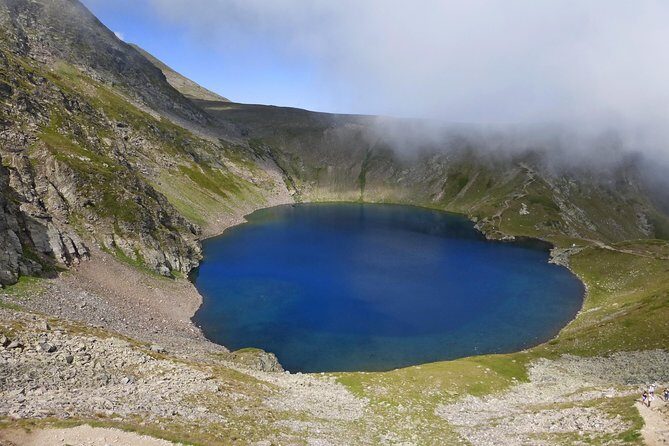
- Seven Rila Lakes, all named in one go (Lower, Fish, Trefoil, Twins, Kidney, Eye, Teardrop) plus a viewpoint from Razdela Pass at 2600 m.
- Overnight at Ivan Vazov Hut around 2300 m: basic, but with what you need for dinner and rest at altitude.
- Day two uses Pazardere valley and forest trail for a change of rhythm before the panoramic descent to the monastery.
- Private-group feel with hotel pickup/drop-off in Sofia and a guide staying with you throughout.
First Steps From Sofia: Lift, Trailhead, and Setting Your Pace
This trip starts in Sofia and that matters more than you might think. You’re picked up from your accommodation and then you’re transferred about 1.5 hours to the trailhead area near Pionerska Hut. Getting that transport handled means you can start thinking about hiking, not logistics.
The morning begins around 8:00 am, and the first big time-saver is a short chair lift ride to the Rila Lakes hut area. Even if you’re in decent shape, that lift helps you get into the lakes without turning the first hour into a leg-scorcher. After that, you’re on foot moving through the lake zone and connecting trails.
One smart consideration: don’t treat this as a casual sightseeing walk. The schedule is tight enough that you’ll want to move with purpose, not stop every 30 seconds for photos. Yes, you can enjoy the scenery, but this is built as a two-day route with a hut overnight, so your energy management counts.
Also, the guide can adjust timing if weather changes. In the mountains, that’s not drama—it’s just how conditions work. If clouds roll in or trails get slick, you’ll stay flexible rather than forcing a perfect plan.
You can also read our reviews of more tours and experiences in Bulgaria.
Seven Rila Lakes Route: From Lower Lake to Teardrop
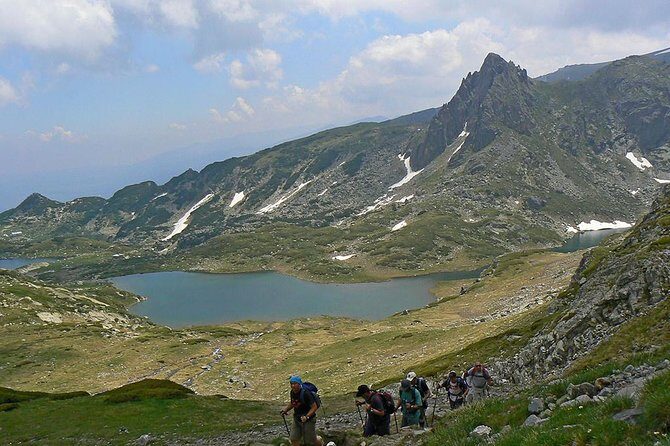
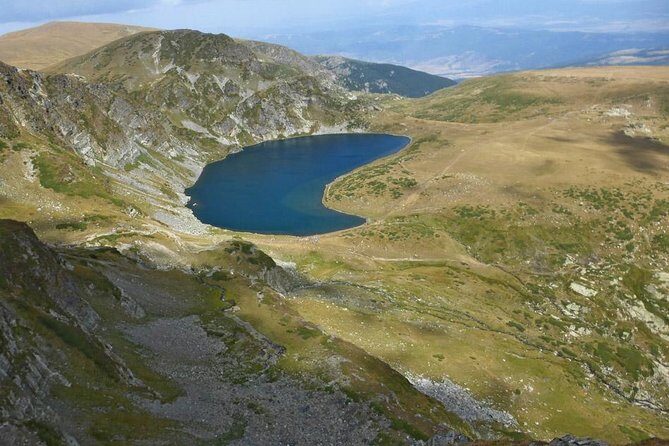
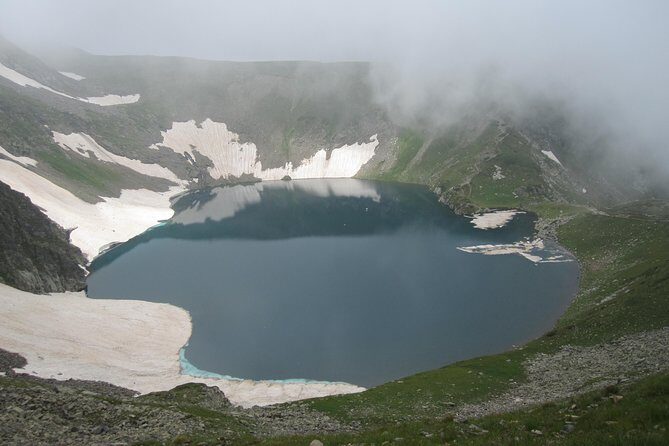
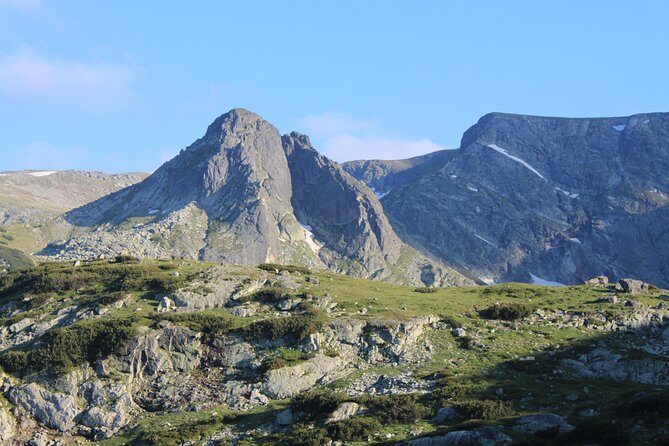
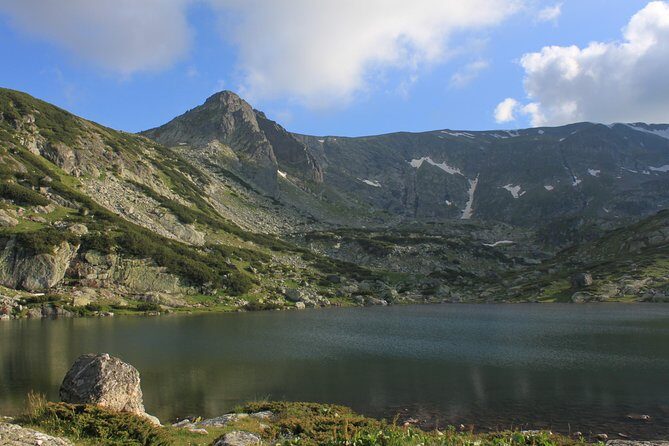
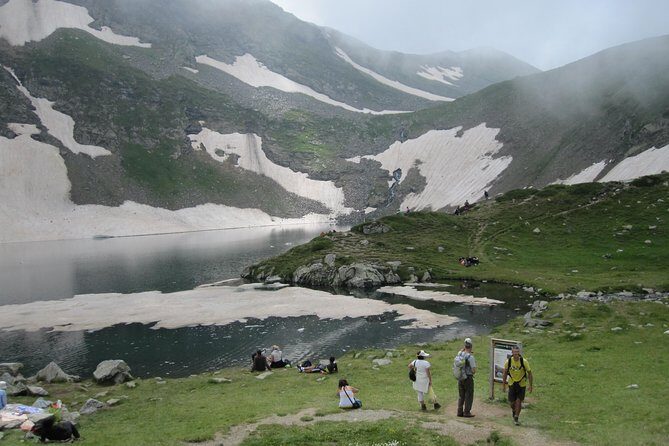
Day one is where Rila starts to feel like another planet. After reaching the lakes area, you follow a route that covers all seven lakes, each with its own stop on the walking path. The lakes you’ll walk past are:
- Lower Lake
- Fish Lake
- Trefoil
- Twins
- Kidney
- Eye
- Teardrop
That list is useful because it tells you what to expect: you’re not just taking a single loop around a couple of ponds. You’re hiking a circuit that keeps changing the view angle, so even when the terrain feels similar, your sightlines keep shifting.
The lakes sit high and the air can feel brisk even when Sofia is warmer. Bring layers you can shed and add fast. The guide’s job is route and pacing, but it’s your job to be comfortable enough to keep moving.
Then comes the big payoff: the hike climbs toward Razdela Pass (2600 m). From the pass you get bird-eye views back over the lakes, which is one of the reasons this route is so popular with people who like scenery but also want a clear destination. After that, you descend toward the overnight hut.
A small drawback to plan for: day one is long enough that your “I’ll just relax at the lakes” mode has to be balanced with “I still have a pass and a descent.” If you’re the type who wants to linger forever, you’ll need to compromise—maybe take fewer long breaks and use short snack-and-water stops.
Ivan Vazov Hut (About 2300 m): Basic, Practical, and Worth It
The overnight is the key ingredient that turns this from a day hike into a mountain trip. You sleep at Ivan Vazov Hut (around 2300 m) after descending from the lakes area. This is the kind of place you choose for convenience at altitude, not for luxury.
One thing I like about an overnight hut is that it changes the feel of the day. You’re not racing to catch transport. You’re also not hiking under the pressure of turning around at sunset. Instead, you settle in, eat dinner, and get a night’s rest at elevation before day two.
From a practical standpoint, the hut is described as no frills, but it has what you need. That lines up with how these mountain huts usually work: you’re there for warmth, a place to sleep, meals, and the chance to wake up ready for the next leg.
What to prepare mentally: it won’t feel like a hotel. It can be simple, crowded in a mountain-way, and you should expect shared, functional setups. If you go in with that mindset, you’ll feel more relaxed.
One more pro tip: the people who enjoy the hut night most are the ones who plan their comfort. Bring what you can for warmth, and keep your small essentials organized so you’re not digging through your pack in low light.
Pazardere Valley to Rila Monastery: Forest Trails and the 10th-Century Finish
Day two shifts the mood. You start with a gentle ascent through Pazardere valley, and then you work into a panoramic descent toward Rila Monastery. You’re moving for about 5–6 hours, so it’s still a hike day, but it feels different from day one’s lakes-and-pass rhythm.
The valley section is where you get more of the forest feel. You’re walking through alpine forested areas and trail segments that can feel steadier than open rocky lake paths. In my view, this is a good design choice: it gives your body a chance to recover a bit from day one’s altitude work while still delivering big viewpoints.
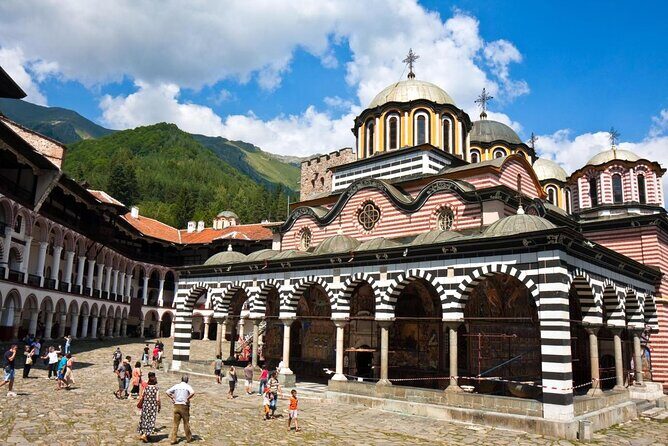
Then you come down to the monastery. Rila Monastery is the largest and most significant active monastery in Bulgaria, and it’s also tied to the story of Saint John of Rila. He’s the first Bulgarian hermit, living roughly 876 to 946, and the monastery was established in the 10th century in his legacy.
You’ll get time to rest and explore the monastery grounds. One practical note: the monastery entrance fee isn’t included, so plan for that cost if you’re budgeting tightly. The tour can bring you right to the doorstep, but it can’t cover every site ticket.
If you’re someone who likes to understand what you’re seeing, this stop rewards patience. Even if you’re not a religious history expert, the scale and ongoing use of the monastery make it more than a photo stop.
At the end, you get a private transfer back to Sofia, so you don’t need to coordinate anything after you’ve finished hiking.
Price and Logistics: Is $335.70 Good Value?
The price is $335.70 per person, and that number includes several things that add up fast if you try to plan a similar trip yourself: professional UIMLA-certified guide time, hotel pickup and drop-off in Sofia, overnight accommodation at the hut, and meals.
Meals included are breakfast and dinner, plus lunch twice (so you’re covered for two travel-day eating needs). That matters because hiking at altitude is exactly when good fueling keeps you safe and sane. You’re not stuck hunting for food mid-route.
You’re also getting a small-group structure (max 6 people) and a private group feel. That’s often where the real value lives: the guide can respond to your pace, and the group doesn’t sprawl.
What you should watch: it’s not a “cheap but basic” trip. You’re paying for two days of organized mountain time. If you’re comfortable DIY hiking with hut logistics and transport, your costs might drop. But for many people, the guide + transport + hut sleep combo is the whole point.
Also, the tour includes Wi‑Fi available, and they use a mobile ticket. That’s helpful for peace of mind, especially the day you’re trying to stay organized before a mountain departure.
Overall: for a guided, two-day Rila trek with hut accommodation and full meals, this pricing feels reasonable rather than overpriced—especially if you’re not local and you don’t want to solve mountain logistics on your own.
Guides, Group Size, and the Real Pace
This is built as a private-group activity with a cap of 6 people per booking. That’s a meaningful detail. With a small group, you’re less likely to feel lost in the shuffle, and the guide can keep an eye on how people are doing physically.
The guide team is UIMLA-certified, and the best sign that matters is the pre-trip communication. In at least one experience, Pavel and Nikolay were friendly and helpful and called beforehand to talk about packing and what to expect. That call helps you show up ready. It also helps you avoid the classic first-day mistake: forgetting something small, then suffering for hours on a mountain trail.
For the pace, you should assume a moderate physical fitness level requirement. The hikes are long and the route includes ascent and descent. If you’re used to day hikes but not used to elevation changes, you’ll still be able to do it if you keep a steady pace and don’t rush on the way up.
One caution: itinerary may change due to weather. That’s normal. It’s still worth packing for rain and cold because mountain conditions can flip fast.
What to Pack: Boots, Layers, Rain Gear, and a Proper Headlamp
This trip gives you an equipment list, and I’d treat it as the minimum standard for feeling comfortable. Here’s what matters most for success:
- Hiking boots (not casual sneakers)
- Backpack 35–45 L
- Trekking poles (especially helpful for descents)
- Waterproof jacket, plus a rain cover if you’ve got one
- Sun hat and sun lotion
- Sunglasses
- Warm hat and gloves
- Water bottle (1.5 liters)
- Headlamp
- Personal first aid kit
Also, bring a warm layer even if you think it won’t be needed. At altitude, temps can drop quickly, and wind can do more work on you than you expect.
One small but important mindset shift: pack for the mountain day you hope you won’t have. If the weather turns, you’ll be glad you had a waterproof layer and gloves. If conditions are nice, you just feel extra comfortable.
And don’t overpack. A heavy pack turns a challenging hike into a miserable hike. Keep it efficient.
Should You Book This Two-Day Rila Trek?
If you want a short trip that hits both wild scenery and a major cultural finish, I’d book it. The combination of Seven Rila Lakes, a hut night at Ivan Vazov Hut, and the final descent to Rila Monastery makes for a trip that feels complete without taking weeks.
You’ll be especially happy if:
- You enjoy guided routes and want a clear plan.
- You’re comfortable with a long hike and don’t mind steep sections.
- You like the idea of sleeping at altitude instead of rushing back to town.
I’d think twice if:
- You’re looking for a very easy walk with minimal climbing.
- You hate the idea of a simple hut overnight and want hotel-style comfort.
- You’re sensitive to weather changes and aren’t willing to adjust.
If that all sounds like you’re ready, then this trek is a strong choice.
FAQ
What time does the trek start?
The start time is 8:00 am.
Where does the hike begin and where does it end?
You start at Malka Yurta Hut near Panichishte (2602 Dupnitsa, Bulgaria) and the trip ends at Rila Monastery (2643 Rilski manastir, Bulgaria).
Is pickup and drop-off included?
Yes. Hotel pickup and drop-off are included, including a transfer back to Sofia after the monastery visit.
How many people are in a group?
There is a maximum of 6 people per booking, and it runs as a private tour/activity for your group.
What meals and accommodation are included?
You get breakfast and dinner, plus lunch (2), and you’ll have accommodation at the hut overnight as per the itinerary.
Are entrance fees included for Rila Monastery?
No. Entrance fees at the Monastery are listed as not included.
How fit do I need to be?
The trip is listed for travelers with moderate physical fitness. Expect long hikes with ascent and descent across mountain terrain.
Can I cancel for free?
Yes. Free cancellation is available if you cancel up to 24 hours in advance of the experience’s start time for a full refund.