REVIEW · SOFIA
Bulgaria and Macedonia Full-Day Tour from Sofia
Book on Viator →Operated by P Group · Bookable on Viator
Monasteries, frescoes, and a border crossing in one day. This full-day tour links Sofia’s UNESCO Boyana Church with quiet monasteries in both Bulgaria and North Macedonia, with the drive through countryside doing a lot of the heavy lifting for the day’s atmosphere. I especially liked the small-group feel (up to 15) and the practical hotel pickup, which makes an early start actually painless.
The biggest consideration: this is a church-and-monastery day, with stairs and some walking that won’t suit everyone.
In This Review
- Key highlights worth caring about
- The value: why this Bulgaria and Macedonia day trip from Sofia can feel worth it
- Timing and comfort: the 8:30 am start and the drive you’re signing up for
- What your guide does (and why it changes the whole day)
- Boyana Church (UNESCO): the UNESCO stop you’ll actually have time for
- Zemen Monastery: short time, real atmosphere
- St Joakim Osogovski Monastery in North Macedonia: the long scenic payoff
- Border crossing: how to keep the day smooth
- What you’ll learn: religion as art, art as culture
- Group size and pacing: small enough to breathe
- What to pack for a day with monasteries and mountain views
- Who this tour fits best (and who should think twice)
- Should you book this Bulgaria and Macedonia day trip from Sofia?
Key highlights worth caring about
- Hotel pickup across Sofia and a modern vehicle for a long but comfortable day out
- Boyana Church UNESCO stop with famous religious artwork and a focused visit time
- A North Macedonia monastery experience that includes a longer 3-hour window in peaceful mountain surroundings
- Border crossing time is real, so plan for passport checks and possible waits
- Small group max 15 helps you ask questions and keep the day moving without chaos
The value: why this Bulgaria and Macedonia day trip from Sofia can feel worth it
At about $144.57 per person for a roughly 10-hour outing, this isn’t an all-day bargain, but it’s also not a pricey “only-sightseeing” tour. What you’re paying for is the whole package: transport in a modern vehicle, a professional guide, and hotel pickup and drop-off from anywhere in Sofia. That last part matters. Sofia is sprawling, and an early departure is easier when you don’t have to figure out buses or taxis at 8:30 am.
You also get cross-border routing. Most people coming to Bulgaria want one of two things: a focused culture/history day, or a sampler trip that helps you say you did North Macedonia too. This tour leans heavily into the first one (religious art, monastic life, and the architecture of worship), while still delivering the “we crossed into Macedonia” checkbox. If that’s your goal, the structure makes sense.
One caveat on value: entry fees and food aren’t fully covered. The tour lists no lunch as included, and it flags specific entry taxes for two stops. That’s normal for this kind of itinerary, but it’s smart to budget for it so the day doesn’t feel like surprise extras.
A few more Sofia tours and experiences worth a look
Timing and comfort: the 8:30 am start and the drive you’re signing up for
The day starts at 8:30 am, with pickup from any address in Sofia. The ride is the connective tissue. You’re not doing short city hops; you’re moving between religious sites that sit outside the city and (in one part of the day) across the border into North Macedonia.
That means two things for you:
- You’ll want to dress for a long day with breaks that are mostly built around the stops.
- You should plan for road time, including turns and curves.
Several people noted the roads can feel twisty, and if motion sickness is a known issue for you, bring something ahead of time. Even if the ride isn’t terrible, a day of winding rural roads can still be uncomfortable.
What your guide does (and why it changes the whole day)
This kind of route lives or dies by the guide. You have three religious sites with art, symbols, and local context that you won’t automatically catch if you just walk through quietly.
In the accounts shared by guests, guides like Ave with driver Deni, Maria, Chimi, Ci Ci, and Ivan came up often, and the common thread was storytelling and practical direction. You can treat that as a hint about what you should ask for once you’re in the vehicle: take advantage of the ride time to request context, not just facts. It’s an efficient moment to connect the places to each other.
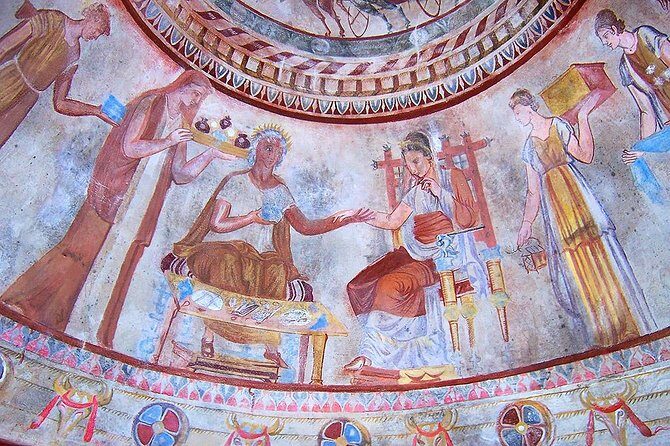
If you care about frescoes, historic religious art, and how monastic communities fit into Bulgarian and Macedonian culture, this itinerary gives your guide room to explain. One person even referenced fresco-focused time and how the guide brought the art to life through stories. That’s the difference between seeing a church and actually understanding what you’re looking at.
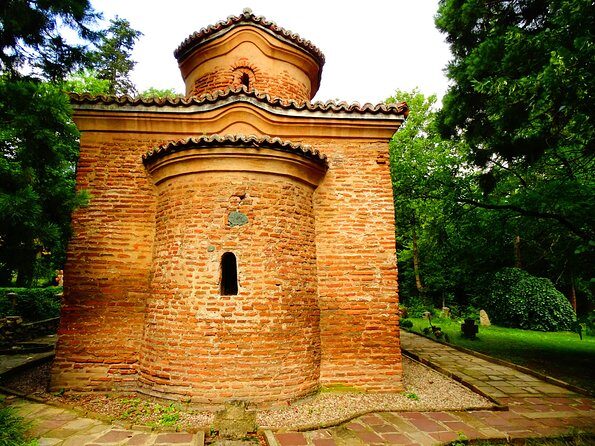
Boyana Church (UNESCO): the UNESCO stop you’ll actually have time for
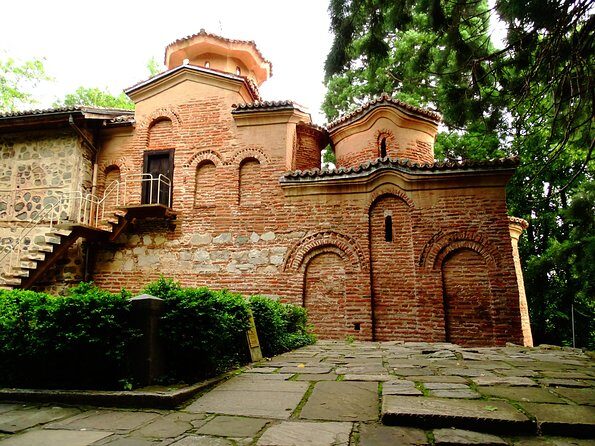
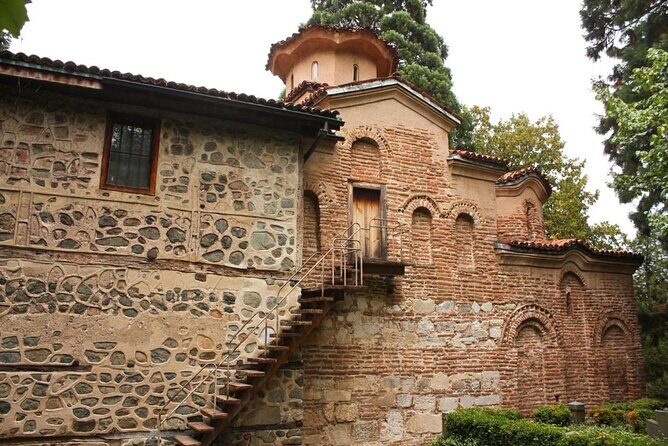
Boyana Church is the UNESCO highlight on this route, and it gets about 1 hour for your visit. It’s located on the outskirts of Sofia, which helps. You’re not leaving town and getting stuck in traffic for hours before you even reach the main sight.
Here’s what makes it special on this day:
- It’s a focused stop in the itinerary, not a rushed “photo only” stop.
- You’re likely to notice more once you’ve heard the background.
The tour notes that the entry tax for Boyana Church is 12 BGN (optional). Treat that as a heads-up to carry a little cash (or check how the site handles payments on the day). Also, the stops around it matter. If you come to Boyana after seeing other monasteries, it can feel like the day’s art “peak.” If it’s your first stop, it sets the tone and makes the rest of the monasteries easier to interpret.
Practical tip: wear shoes you can stand in comfortably. Even a 1-hour visit can include moving between interior areas, viewpoints, and entry lines.
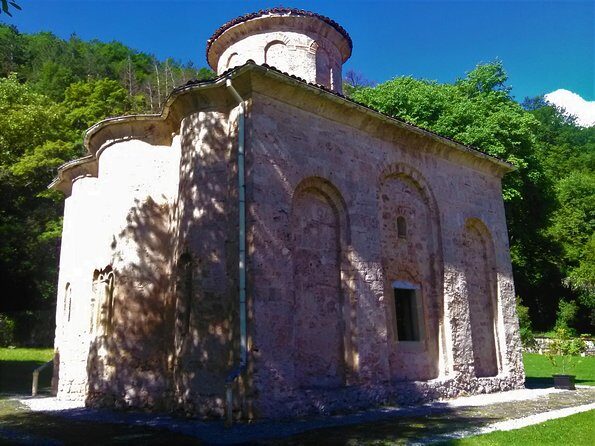
Zemen Monastery: short time, real atmosphere
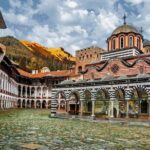
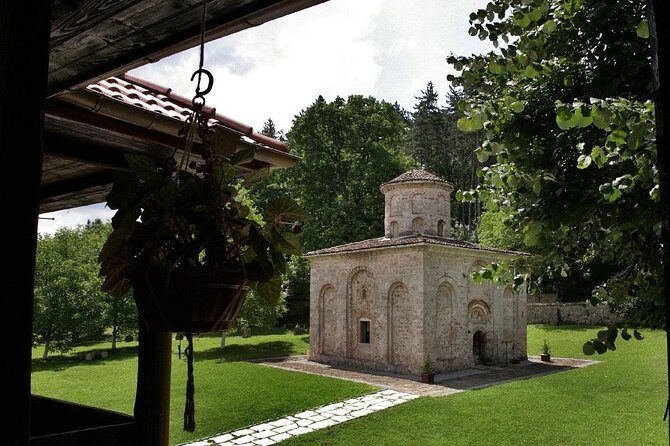
Zemen Monastery is listed as about 30 minutes, and it’s a Bulgarian Orthodox monastery. That time window is not long, so this is the stop where you should be clear about your expectations.
Think of Zemen as:
- a quick immersion into monastic life and tradition,
- a contrast point before the longer North Macedonia segment,
- and a place where you can focus on a few key details rather than trying to “do everything.”
The tour flags an entry tax of 5 BGN for Zemen Monastery. Plan for it. When a stop is short, a small entry fee can still matter to your total day budget.
Also, this is one of the locations where you might encounter more steps or uneven surfaces. One of the caution comments was specifically about churches having “many stairs,” which tracks with many historic religious sites in the region. If stairs are a problem for you, save your energy and take it slow. It’s better to enjoy the space than to rush through it.



St Joakim Osogovski Monastery in North Macedonia: the long scenic payoff
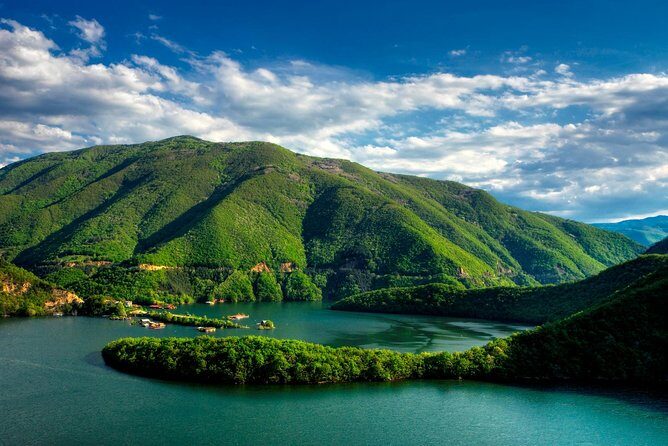
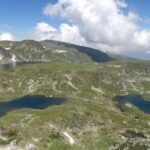
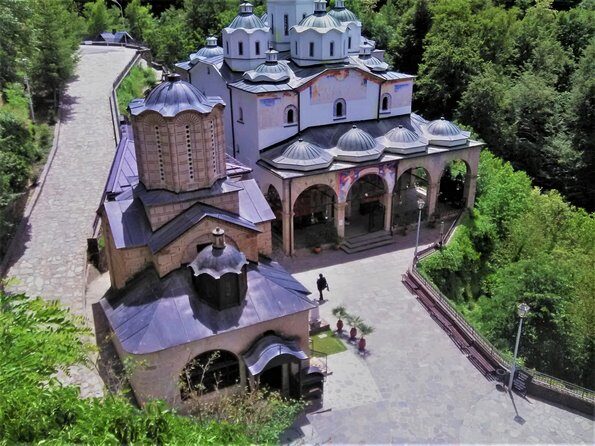
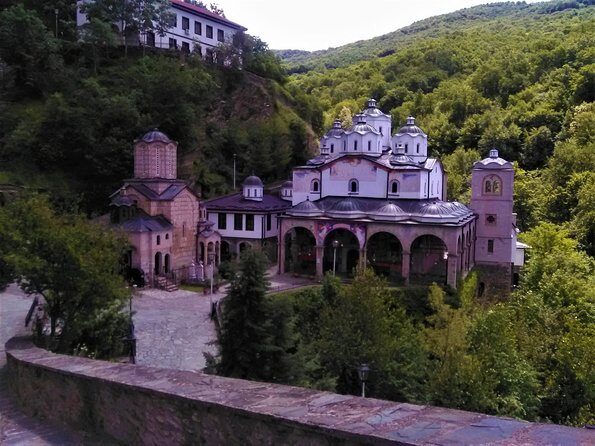
This is the stop with the most time: about 3 hours at the Monastery of St Joakim Osogovski. It’s located in a peaceful setting, surrounded by Osogovo Mountain and bordered by lush forested areas (depending on season). The tour lists admission as free here, which is a nice perk for a full-day cross-border experience.
What you should expect:
- You’ll feel like you’re stepping out of “tour mode” and into a calmer rhythm.
- You’ll have time not just to look, but to take in the grounds and slow down.
Several people highlighted the monastery’s surroundings and the views, and it’s easy to see why. A longer time slot at a mountain monastery is where this day trip earns its keep. You’re not just checking a box; you’re getting an actual chunk of time in a quieter world.
Food also comes up in people’s experiences. One account mentioned lunch on the premises. Since the tour details you have here list lunch as not included, treat the meal as something to confirm for your exact departure. Still, practically speaking, you should be ready for a meal break sometime during these hours.
Border crossing: how to keep the day smooth
This is a cross-country, cross-border tour. So border time is part of your day, not an “extra.”
Guests noted border crossings can be painless and that delays can happen but are beyond anyone’s control. Translation for you: don’t plan a tight timeline after the tour ends, and don’t assume the border will be instant.
You also need a current valid passport on the travel day. This isn’t optional. It’s the single biggest document-related “do not forget” item for this itinerary.
If you get motion sickness, also keep that in mind during border waiting. Sitting in a car and then bouncing again after crossing can add up.
What you’ll learn: religion as art, art as culture
This itinerary isn’t just “churches.” It’s really about how Orthodox religious culture shows up in physical spaces: architecture, frescoes, and the objects and artwork that carry local meaning.
You’ll likely get a lot more out of Boyana and the monasteries if you pay attention to how the guide connects:
- why these places were built where they were,
- how monastic settings relate to the surrounding region,
- and how religious artwork functions as more than decoration.
That’s where the professional guide makes the day feel fuller than the number of stops suggests. Even people who cared mostly about photos seemed to appreciate the explanations, especially around frescoes and historical context.
If you’re the kind of traveler who reads captions and asks one follow-up question, you’ll get along great here.
Group size and pacing: small enough to breathe
The tour has a maximum of 15 travelers. For a day this long, that matters. It’s still a group outing, so you will follow the guide’s schedule, but it’s small enough that you’re not fighting for attention.
The pacing is built around time blocks:
- a UNESCO visit with enough time to actually look,
- a short monastery stop,
- and then the longer mountain monastery segment.
That structure tends to work well if you want a full day with multiple stops but not an all-day walking marathon. Just remember that churches and monasteries often involve stairs and uneven steps, even if the tour time doesn’t feel extreme.
What to pack for a day with monasteries and mountain views
For this kind of route, I pack for comfort, not just weather.
Bring:
- Comfortable walking shoes (you’ll want grip and support)
- A layer for changing temperatures (church interiors can feel cooler)
- Water for the driving portions and the walking within sites
- If motion sickness is a factor for you, something to prevent it
- A small amount of cash for the entry taxes (Boyana and Zemen)
Also: keep your passport secure and easy to reach during the border part of the day.
Who this tour fits best (and who should think twice)
This is a great fit if you want:
- a culture-heavy day focused on Orthodox sites,
- a chance to see both Bulgaria and North Macedonia in one itinerary,
- and a guide-led experience that explains frescoes and history in plain terms.
It’s also a good “first taste” tour if it’s your first time in Bulgaria and you don’t want to plan a multi-day route.
Think twice if you:
- strongly prefer city sightseeing in North Macedonia (this itinerary is monastery-focused),
- have limited mobility or trouble with stairs,
- or need frequent long breaks.
One caution that stood out in the feedback: the day can feel like “too much church time” for people who expected a city visit, and stair-heavy sites can be tough.
Should you book this Bulgaria and Macedonia day trip from Sofia?
If your idea of a perfect day includes monasteries, religious art, and scenic countryside drives, I think this tour is a smart booking. The combination of Boyana Church’s UNESCO status and the long 3-hour mountain monastery segment gives you enough variety that the day doesn’t feel like one-note sightseeing.
I’d especially recommend it if you’re the kind of traveler who likes to understand what you’re seeing. With a small group and hotel pickup, the logistics do less work for you, and the guide does more of the interpreting.
But if you’re expecting major city time in North Macedonia, or you know stairs and walking are hard for you, you’ll likely find the experience frustrating. In that case, you might do better with a tour that’s more city-based and less focused on religious sites.