REVIEW · SOFIA
Explore Bulgaria’s COMMUNISM Era–Todor Zhivkov DayTrip from Sofia
Book on Viator →Operated by 4seasonstmeood · Bookable on Viator
Pravets feels oddly quiet for a communist story. This Sofia day trip takes you to Todor Zhivkov’s birthplace, then into a historical museum with archaeology going back to the 6th century BC. I love that the day doesn’t play like a heavy lecture; it lets you see how power-linked history can sit inside normal-looking town life. I also like the tight pacing: you cover two meaningful places without turning it into a marathon. The one possible drawback is the price plus extras: the tour cost is clear, but you should budget for the paid entry fees and plan lunch on your own.
From start to finish, it’s a straightforward group outing with pickup in central Sofia and a return there the same day. Expect a small group (max 6), a mobile ticket, and a guide focused on care and safety during the drive. If you’re curious about Bulgaria’s 20th-century history and want something more thoughtful than a typical photo stop, you’ll probably enjoy this.
In This Review
- Key points to know before you go
- A Sofia departure that keeps the day sane
- Pravets: seeing communism through one man’s birthplace
- The historical museum stop: where the story widens to the 6th century BC
- Botevgrad: uprisings and liberation without the heavy tourist gloss
- Price and what you’re really paying for
- Logistics from Sofia: meeting point, timing, and mobile ticket
- Who this is best for (and who should skip it)
- Practical tips to make the day better
- The big takeaway: why this day trip feels thoughtful
- Should you book this Todor Zhivkov day trip from Sofia?
- FAQ
- What time does the tour start?
- Where is the meeting point in Sofia?
- How long is the day trip?
- How many people are in the group?
- Is lunch included in the price?
- Are entry fees included?
- Does the tour use a mobile ticket?
- What is included in the price?
- What should I know about weather?
- Can I cancel and get a full refund?
Key points to know before you go
- Small group of up to 6 means less crowding and more time for questions
- Todor Zhivkov’s birthplace in Pravets gives the story a grounded, human scale
- Museum archaeology from the 6th century BC adds depth beyond 20th-century politics
- Botevgrad stop connects the region to uprisings and liberation-era events
- One-day format from Sofia keeps logistics simple even if you hate long travel days
- Good-weather dependent timing matters more than you’d think for a full day outside the city
A Sofia departure that keeps the day sane
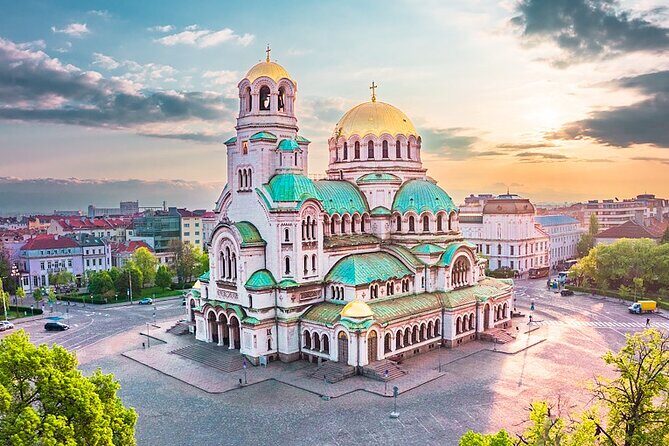
This is the kind of day trip that starts early enough to feel like you got out of town, but not so early that you ruin your whole vacation. You meet in central Sofia at Pl. SV. Aleksandar Nevski (Old City Center) at 8:30am, then you’re back at the same meeting point at the end of the day. That round-trip setup is one of the biggest “value” factors: you’re not trying to coordinate extra transport, and you’re not stuck figuring out where your driver disappears to.
The trip runs about 9 hours total. That timing matters because it shapes how you experience the places. You’re not trying to absorb everything in one rushed sprint, but you also don’t get the option to wander endlessly. If you’re the type who likes a guided outline and then wants to add your own follow-up on another day, this format works.
You can also read our reviews of more tours and experiences in Sofia.

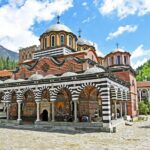
Pravets: seeing communism through one man’s birthplace
The centerpiece of the day is Pravets, tied to Todor Zhivkov, the long-time leader associated with Bulgaria’s communist-era government. What I appreciate about this stop is the way it’s framed by place, not by slogans. You visit the birthplace area, including the house of Todor Zhivkov, which helps you picture history as lived experience, not just a timeline.
And here’s the subtle point: Pravets doesn’t hit you as a place stuck in the 1980s. Instead, it comes across as peaceful and normal. That contrast can be uncomfortable in a useful way. It nudges you to think about how political systems are made of ordinary routines, local economies, and community life, even when the national story is brutal.
Practical note: this stop is positioned as the time where you’ll hear the most context. Plan to pace yourself. If you go in ready to judge from a distance, you may miss the quieter details that make the visit feel honest. If you go in curious, you’ll likely come away with a sharper sense of how power can start from “just a town,” then spread outward.
The historical museum stop: where the story widens to the 6th century BC
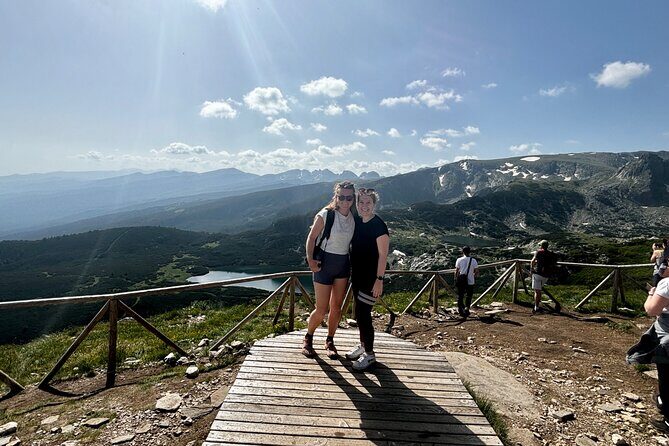
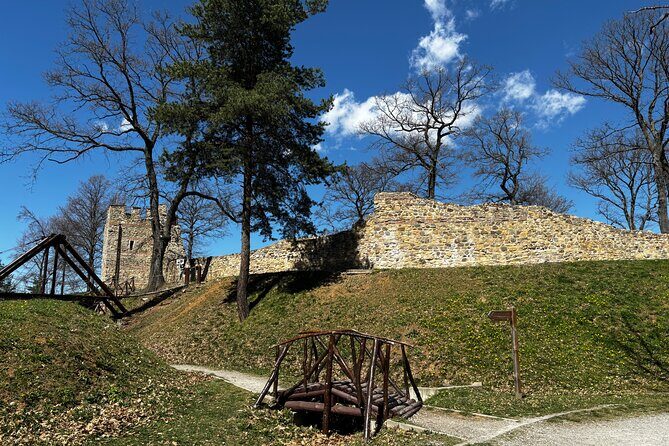
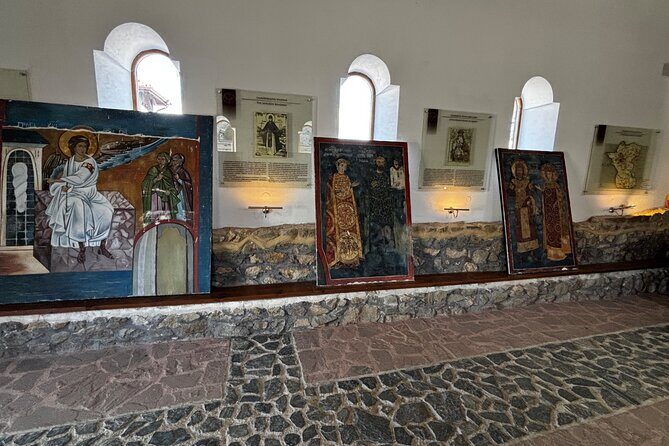
After the birthplace visit, you head to the historical museum connected to the site. The museum includes archaeological excavations from the 6th century BC. This is one of the smartest choices on the day: it widens the frame beyond 20th-century politics and puts the region’s human story into a much older context.
This matters because communism-era history can feel like its own closed chapter. Adding archaeology and ancient layers gives you perspective. You start seeing Pravets and the surrounding area as a place people have lived in for a very long time, with changing rulers, languages, economies, and belief systems over centuries. That doesn’t excuse anything from the communist era. It just helps you understand the setting more honestly.
Also, museum time is usually where you either feel engaged or you check out. If you like material culture—objects, site finds, the physical evidence of past lives—you’re in the right place. If you hate museums, you can still treat this as a “pattern” stop: it tells you what kind of thinking the guide wants you to bring to the day.
Botevgrad: uprisings and liberation without the heavy tourist gloss
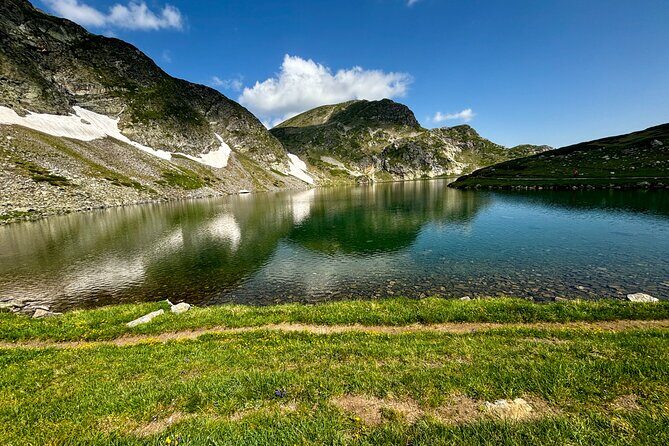
Then you shift to Botevgrad, a city tied into regional memory connected with uprisings and liberations from earlier conflict-era history. You’re not spending all day here, but the stop is useful because it broadens the day from one leader’s origin story to a wider pattern of resistance and change.
Even with limited time, you’ll likely get a sense of how Bulgaria’s historical narrative isn’t just about one regime. There are recurring moments of unrest, liberation movements, and local efforts to push back against control. Standing in a place connected to that story can make national history feel less abstract.
The benefit of keeping this as a short stop is that it doesn’t swamp you after Pravets and the museum. By the time you reach Botevgrad, your brain is ready for “context stitching.” You connect people and events across time, instead of trying to absorb every detail in one place.
Price and what you’re really paying for
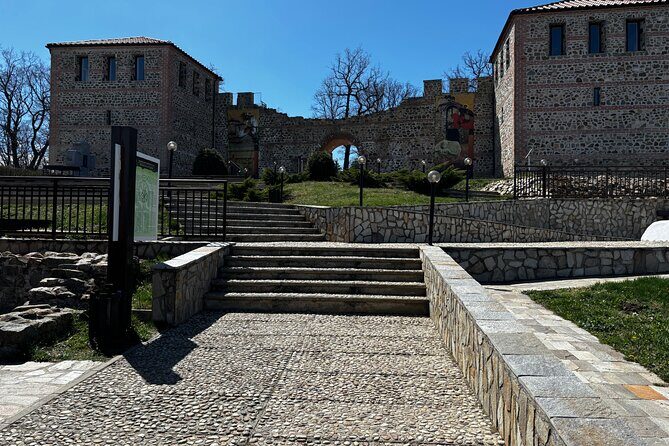
The tour costs $109.97 per person and runs about 9 hours. On the surface, it sounds like you’re just paying for a day away from Sofia. The value is more specific than that.
You’re paying for:
- a guide-led structure (not just a driver dropping you off)
- a care-and-safety focus during the drive
- a small-group experience (max 6)
- planned stops that connect themes, not random sightseeing
That small-group size can be a real quality boost. It often means you’re less likely to get stuck behind a crowd, and questions don’t get lost in the noise.
Now for the part you should budget for: entry fees and lunch. Lunch isn’t included. And while one part of the plan notes admission as free, the tour info also specifies that entry fees for two places are not included (listed as 14 BGN/LV per person). So I’d treat the $109.97 as the base cost and plan for a little extra on top. If you want a low-stress day, pack patience and a bit of cash (or an easy card setup) for those entry charges.




Logistics from Sofia: meeting point, timing, and mobile ticket
You meet at Pl. SV. Aleksandar Nevski, which is a convenient starting point if you’re staying in the center. The tour includes a mobile ticket, and you’ll be confirmed at booking time. That matters because you don’t want last-minute friction when you’re trying to catch an early departure.
Also, it helps that the meeting spot is near public transport. If you don’t want to rely on taxis or your own car, you still have an easy path to get to the start on time.
Timing tip: for an 8:30am start, breakfast matters. Even if lunch plans are flexible, you’ll feel better if you eat something before pickup.
Who this is best for (and who should skip it)
This tour is a good fit if:
- you want a Sofia day trip that’s actually about something, not just motion
- you’re interested in Bulgaria’s communist-era story but prefer place-based learning over shock value
- you like museums and context that links the past to the present
- you want a small group with guided pacing
You might consider skipping if you’re only seeking modern sights, or if you strongly dislike guided historical stops. This is not a “fast shopping and views” day. It’s built for history-minded travelers.
Practical tips to make the day better
A few small moves will help you get more out of the day.
1) Bring water and plan food early. Lunch is not included. You’ll do best if you either eat before you go and then grab something during your free time, or you plan a simple meal strategy around the schedule.
2) Budget for the paid entry fees. The tour data points to entry costs for two places at 14 BGN/LV per person. Factor that in so you’re not surprised at the counter.
3) Dress for weather outside Sofia. The experience requires good weather. Even on calm days, you’ll spend time moving between indoor and outdoor areas. Comfortable shoes beat “pretty shoes” for a long day.
4) Use the small group size. With max 6 travelers, you can ask clearer questions. If you’re unsure what to ask, start with broad ones: how the birthplace connects to the wider political system, and why the museum includes ancient excavations at all.
The big takeaway: why this day trip feels thoughtful
What sticks with me about this kind of trip is the way it balances contradiction. You’re visiting a figure tied to a totalitarian regime, but you’re not doing it in a theatrical setting. You’re doing it in a town that looks like a town, then adding depth with archaeology that reaches back centuries.
That combination can be powerful if you’re open to discomfort. It asks you to hold two ideas at once: political harm is real, and the places where history happens are still made of everyday life. If you walk out thinking only in slogans, you’ll miss the point. If you walk out willing to think harder, you’ll get a clearer view of how history lives on in ordinary corners.
Should you book this Todor Zhivkov day trip from Sofia?
Book it if you want a small-group, guided Sofia day trip with substance: Pravets, the Todor Zhivkov birthplace setting, a museum stop with 6th-century BC archaeology, and a linked visit to Botevgrad. It’s especially worth it if you like history that connects places and people, not just dates.
Skip it if you’re mainly hunting for trendy sights, long shopping breaks, or a full free-wandering day. This is structured and topic-driven. And because lunch and entry fees add on top of the base price, budget a little extra so the day stays relaxed.
If you match that mindset, you’ll likely come away with one of the more thought-provoking Sofia day trips out there.
FAQ
What time does the tour start?
It starts at 8:30am.
Where is the meeting point in Sofia?
The meeting point is Pl. SV. Aleksandar Nevski (Old City Center), 1000 Sofia, Bulgaria.
How long is the day trip?
It runs for about 9 hours.
How many people are in the group?
The tour has a maximum of 6 travelers.
Is lunch included in the price?
No. Lunch is not included.
Are entry fees included?
No. Entry fees for two places (14 BGN/LV per person) are not included. The plan also notes an admission ticket free time for one listed segment, so budget for paid entries as stated in the tour info.
Does the tour use a mobile ticket?
Yes. It includes a mobile ticket.
What is included in the price?
You get guide care and safety drive.
What should I know about weather?
The experience requires good weather. If it’s canceled due to poor weather, you’ll be offered a different date or a full refund.
Can I cancel and get a full refund?
Yes. You can cancel for a full refund up to 24 hours in advance of the start time. If you cancel less than 24 hours before, the amount paid isn’t refunded.