REVIEW · SLIVEN
Non Touristic Half Day Camel Safari Thar Desert Sunset
Book on Viator →Operated by Rumis Desert Camp · Bookable on Viator
Sunset camel rides hit different. This Thar Desert sunset safari strings together a jeep drive, an oasis stop, and a one-hour camel ride into the dunes near Jaisalmer, with a campfire finish and star time. The tour is listed as starting around Sliven, Bulgaria, but the actual route described is very much Rajasthan-style.
What I like most is the mix of places: a living oasis (used by many nearby villages) plus a nearby abandoned 18th-century settlement, then a small nomad village where kids may actually greet you like you’re a rare visitor. I also love how the night portion isn’t just scenery; dinner happens out there in the dunes with warm drinks and a sky full of stars, led by Ali and the Charisma Camel Safari team.
One drawback to plan for: even though it’s called a half-day camel safari, the total outing runs about 12 hours.
In This Review
- Key highlights you’ll feel on the ground
- From Jaisalmer-area pickup to the first dune light: what the day really looks like
- Quick timing reality check
- The oasis stop: why this “quick” visit is the point
- A practical note
- Abandoned 18th-century village: the story you’ll remember after the photos fade
- What to expect on this stop
- The nomad village encounter: kids, kindness, and cultural timing
- The jeep-to-camel switch and a one-hour ride into the dunes
- Camel care and ride comfort
- Photos during the ride
- Campfire dinner and stargazing: the sunset payoff
- Dinner style and dietary needs
- An optional bonus you might see
- Price and value: why $21.30 can feel too good to be true
- Who this camel safari is best for (and who should rethink it)
- What to bring for comfort in the Thar
- Should you book this Thar Desert sunset safari?
- FAQ
- How long is the safari?
- What’s included in the tour price?
- Do I get pickup from my hotel?
- How long is the camel ride?
- Is there a vegetarian option?
- Is this a private tour?
- What if my plans change and I need to cancel?
Key highlights you’ll feel on the ground
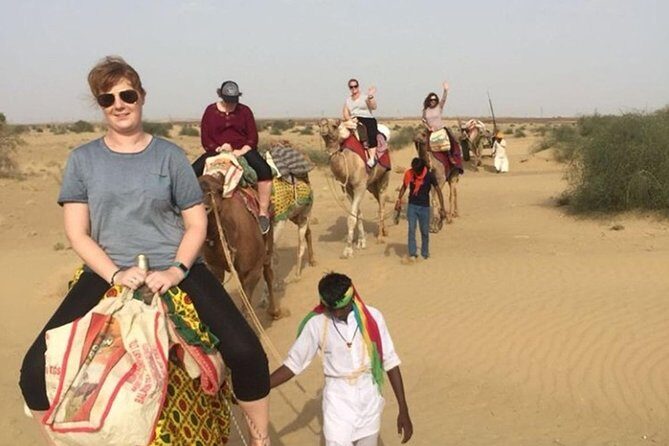
- Oasis that supports real villages: you’re not just snapping photos; you’re seeing a natural water source tied to local life
- Abandoned 18th-century village stop: you get the story of a place that has gone quiet
- Nomad village encounter: kids may be genuinely welcoming since they rarely meet strangers
- A one-hour camel ride: long enough for the dunes to sink in, not so long you feel wrecked
- Dinner + stargazing in the dunes: campfire meal under shooting stars is the payoff
- Private feel for your group: it’s set up as a private tour/activity
From Jaisalmer-area pickup to the first dune light: what the day really looks like
This safari runs like a slow reveal. You’re picked up from a Jaisalmer-area starting point (hotels are mentioned, and the overview also references the airport/train station). At the same time, the listed details say airport pick up isn’t included, so it’s smart to confirm exactly where you’ll be collected for your dates.
Once you’re in the jeep, the pace shifts from city energy to wide-open desert. That first transfer matters more than it sounds. In a place like the Thar, the best moments often happen after you’ve left the easiest roads behind. The tour makes that happen by getting you out toward remote spots before you even touch the camels.
You’ll also spend time moving between three kinds of environments: water at the oasis, ruins of an older settlement, and then the sand world where evening cools things down. If you like photos, you’ll get them. If you care more about the feel of a place, you’ll still get that.
You can also read our reviews of more tours and experiences in Sliven.
Quick timing reality check
Even if the camel segment is about an hour, the total experience is listed at roughly 12 hours. That’s not “bad,” but it does mean you should avoid stacking other plans the same day. Treat it like a full-day commitment with an evening climax.
The oasis stop: why this “quick” visit is the point
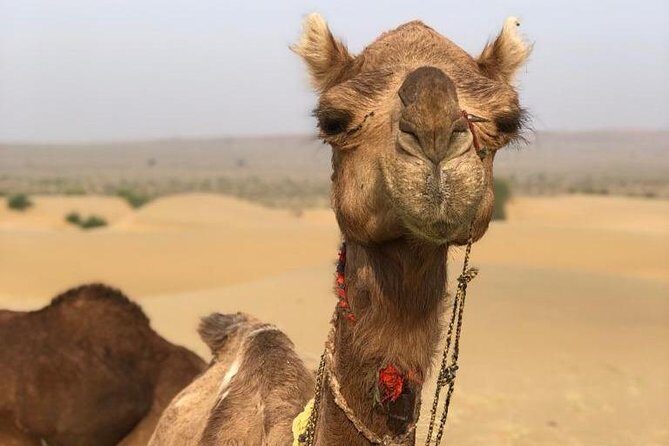
The oasis isn’t just a pretty pause. The tour describes a natural water source that today supplies 45 villages. That detail changes how you look at it. It turns your first stop into a small lesson in why this desert has pockets where people can actually live.
On the ground, you’ll likely notice two things fast:
- Water in the desert changes the whole air around you. It can feel calmer and cooler by comparison.
- Even a short visit can help you understand what locals mean when they talk about survival and routines in a dry region.
Some versions include stopping by a natural lake within the oasis area. Either way, this is where the tour earns its “non-touristic” angle. You’re not only chasing views; you’re seeing an essential resource.
A practical note
Because you’re heading into sand country, you’ll want to drink water early and keep hydrated. One review specifically called out bringing plenty of water, and that’s good advice here. You’ll be out for hours, and desert conditions can sneak up on you even when you’re not doing anything intense.
Abandoned 18th-century village: the story you’ll remember after the photos fade
Next comes the abandoned 18th-century village. The wording you’re given is clear: it’s a place with a story, and that story is part of why you’re there. In deserts, abandoned settlements usually mean some combination of shifting routes, changing resources, or people moving on. This stop is the tour’s “how did this place work?” moment.
A couple of the reviews also hint you may pass through or near structures described like a small fort alongside the abandoned area. Even if the exact label isn’t repeated on every version, the vibe is the same: you’re walking in a quiet past.
Why I think this stop is valuable:
- It gives context to the desert, instead of treating it like a blank postcard.
- It breaks up the day so the camel ride doesn’t feel like the only event.
What to expect on this stop
You won’t be stuck indoors. This part is about walking, looking, and listening to explanations from your guide. If you like photos, you’ll get them. If you prefer understanding, you’ll also get enough story to make it stick.
The nomad village encounter: kids, kindness, and cultural timing
After the abandoned area, you head to a small inhabited nomad village. This is where you can feel the tour’s human side.
One review noted that children are welcoming and that they rarely see strangers. That matters. In many places, “cultural experiences” can feel like a performance. Here, the chance of meeting children who are simply curious and friendly is a different kind of travel moment—quick, real, and surprisingly meaningful.
Keep your expectations simple:
- Say hello.
- Be respectful with space.
- Don’t overthink it.
This part also helps you slow down. After jeep dust and ruins, a living village makes the whole day feel grounded.
The jeep-to-camel switch and a one-hour ride into the dunes
Eventually, you transfer from jeep to camels. The tour description says you pick up the camels, then enjoy about an hour on the ride into the sand dunes.
That’s the right length for most people. Long rides can turn into a test of comfort. Short rides can feel like you never quite settled in. About an hour is usually enough to watch the light change and to feel what the dunes do when you’re moving over them.
Camel care and ride comfort
Several reviews specifically praised the camels as being nicely treated. That’s a big deal for me, because nobody wants to fund animal mistreatment. Reviews also said the camel ride is comfortable, and the ride feels fun rather than scary.
Still, here’s your reality check: sand + movement = you’ll feel it. Wear shoes you don’t mind getting dusty. Expect a bumpy rhythm. Bring water, and don’t assume you’ll have shade whenever you want it.
Photos during the ride
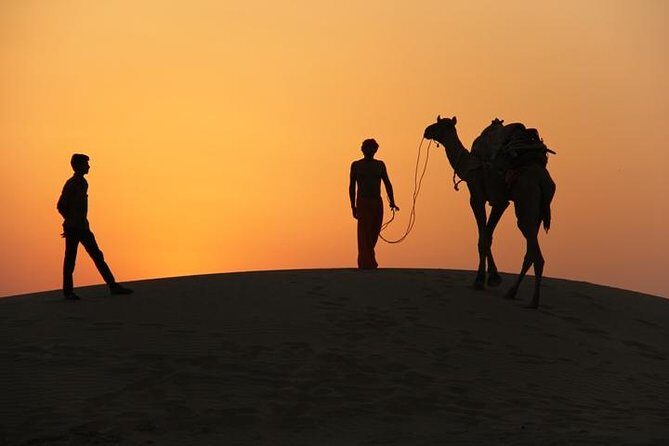
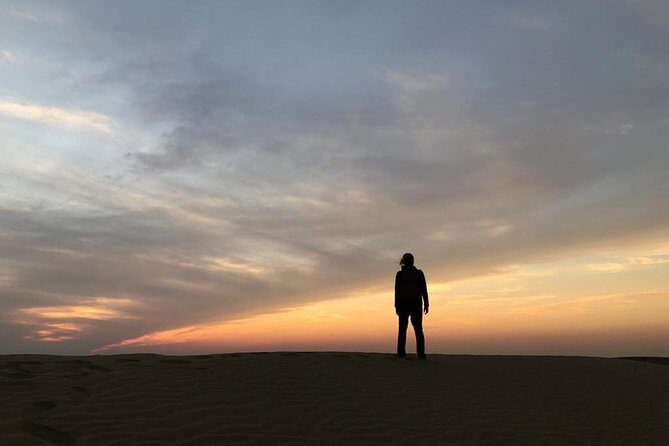
If you love desert photos, you’re in luck. One review called out a great view of the desert and a sunset above the dunes. Even if clouds or wind change the colors, the shape of the dunes still photographs well at golden hour.
Campfire dinner and stargazing: the sunset payoff
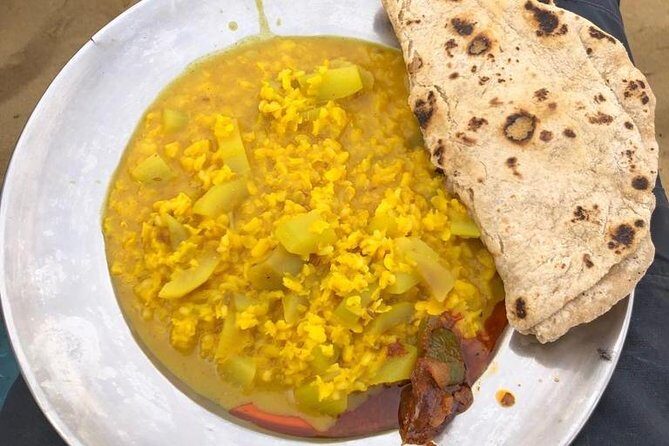
The ending is the part most people remember: after the camel ride into the dunes, you break for a campfire setup with dinner and tea/snacks. Then you get stargazing time.
One review nailed the emotion: lots of stars, shooting stars during dinner, and a view that felt almost impossible if you come from light-polluted cities. Another said the sunset was wonderful, and dinner in the dune was really tasty and special.
Even if your sky is less dramatic than someone else’s, the setup still works because:
- You’re far from city lights.
- You’re already in desert quiet after the camel ride.
- Dinner makes it feel like you’re part of the night, not just passing through.
Dinner style and dietary needs
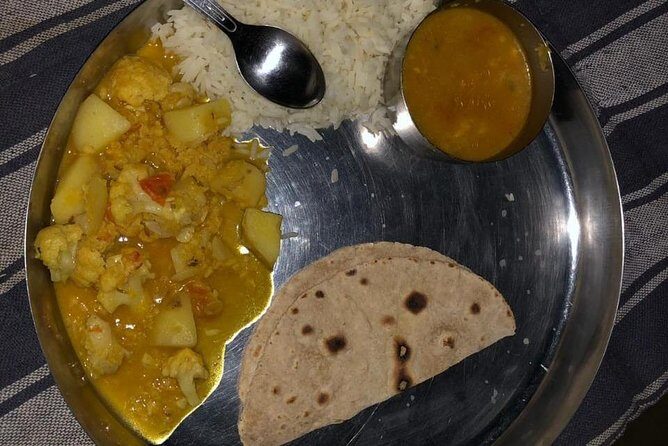
The tour includes snacks, afternoon tea, bottled water, and dinner. Vegetarian option is available if you tell the provider at booking, so this is one you can take without worrying you’ll be stuck with only bread and water.
If you’re picky, pack a simple snack just in case. The provided meal is part of the experience, but having a backup is always smart when you’re out in remote areas.
An optional bonus you might see
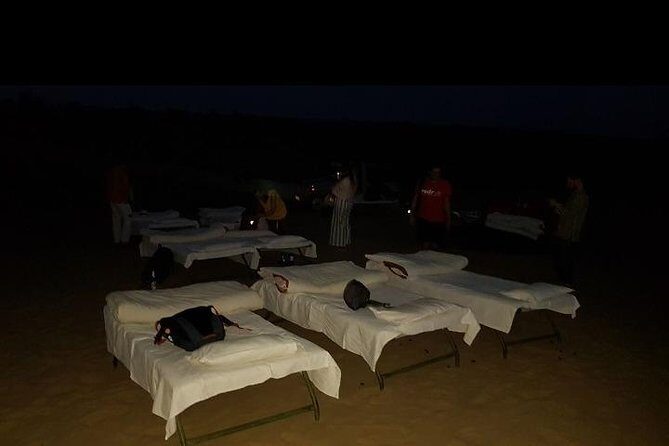
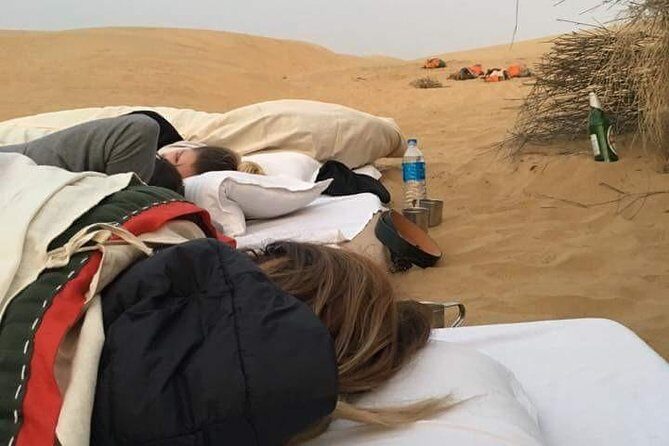
At least one review described cooking with locals and the chance to sleep under the stars. The core tour clearly includes stargazing and a dune meal, but if your exact schedule adds an overnight element, that’s where the experience can stretch into something even more memorable. Stay flexible based on what’s confirmed for your date.
Price and value: why $21.30 can feel too good to be true
The price listed is $21.30 per person. For a roughly 12-hour outing that includes pickup/transport, afternoon tea, snacks, bottled water, dinner, and stargazing time, that can look like a steal.
Here’s how I’d judge the value rather than just the number:
- You’re paying for more than one thing. It’s transport plus desert access plus food plus animal time plus evening lighting conditions.
- You’re also paying for someone to handle the pacing and storytelling. Stops at the oasis and the abandoned village aren’t “just drive by” moments.
- It’s set up as a private tour/activity, so your group may not be stuck in a large crowd.
Two things to double-check because they affect value:
1) Pickup details. The overview mentions round-trip transfer from Jaisalmer airport/train station or hotels, but the listed notes say airport pick up isn’t included. Confirm what applies to you.
2) Timing expectations. If you come expecting a short afternoon loop, the 12-hour total can feel longer than your plan.
If those details match your needs, the value is strong.
Who this camel safari is best for (and who should rethink it)
This safari fits best if you want:
- Desert scenery with real human stops (oasis, abandoned village, nomad village)
- A sunset-centered schedule
- A guided day that feels personal rather than mass-market
You might think twice if:
- You need very short excursions. The camel ride itself is about an hour, but the overall outing is around 12 hours.
- You’re sensitive to bumpy rides and desert dust. A jeep ride followed by a camel ride means you should accept some discomfort as part of the deal.
- You dislike meeting local families. This isn’t a “museum” experience; it includes village interaction.
Good news: one of the review notes says most people can participate. Still, you’ll want to bring the right mindset. This is adventure travel in sand country, not a hotel spa with a view.
What to bring for comfort in the Thar
The tour provides tea, snacks, water, and dinner. You still need your own basics.
Bring:
- Plenty of water (one review explicitly urged it)
- Comfortable shoes for walking at the oasis/ruins and for dusty ground
- A light layer for the evening, when desert air can cool quickly
- A small bag for your phone/cash so you’re not scrambling during transitions
If you’re camera-minded, charge batteries before you go. The stargazing portion is often when people discover their battery is already at 2%.
Should you book this Thar Desert sunset safari?
I’d book it if you want a sunset camel experience that feels grounded in place, not just staged for photos. The combination of oasis water context, an abandoned 18th-century stop, a nomad village encounter, and then dinner under stars is a strong arc. Add in the positive feedback about camels being well treated and the welcoming service led by Ali, and it’s easy to see why the satisfaction rate is so high.
Skip it (or at least clarify details first) if your schedule is tight. The camel ride is short, but the day is long. Also confirm pickup specifics for your location, since airport pick up notes conflict with the overview.
If you’re aiming for a genuine desert evening with warmth, starry sky payoff, and a real-feeling route, this is the kind of tour you’ll be glad you didn’t overthink.
FAQ
How long is the safari?
It runs for about 12 hours (approx.), even though it includes a half-day style camel safari in the sunset period.
What’s included in the tour price?
The tour includes afternoon tea, bottled water, snacks, and dinner, plus transport by private vehicle and round-trip private transfer. Private tour/activity is included, and admission tickets are listed as free.
Do I get pickup from my hotel?
Pickup is offered for selected hotels. The overview also mentions pickup from Jaisalmer airport or train station, but the listed details say airport pick up isn’t included, so you should confirm what applies to you.
How long is the camel ride?
You’ll ride camels for about an hour into the sand dunes.
Is there a vegetarian option?
Yes, a vegetarian option is available. You should advise the provider at the time of booking.
Is this a private tour?
Yes. The tour is private, meaning only your group participates.
What if my plans change and I need to cancel?
Free cancellation is offered. You can cancel up to 24 hours in advance for a full refund. If you cancel within 24 hours of the experience start time, there’s no refund.