REVIEW · BANSKO
Snowshoeing day trip to Mount Bezbog in Pirin Mountains
Book on Viator →Operated by Top Guides Bulgaria · Bookable on Viator
Snowshoes, chairlifts, and serious peaks. This private day trip takes you into Pirin National Park for a snowshoe climb from the Bezbog chairlift’s top station (2240m) up to Mt. Bezbog, with panoramic views over Pirin, plus far-off slices of Rila and the Rhodope Mountains. I really like how beginner-friendly it feels with a private mountain guide, and I also love that you get the gear setup and transfer help so you’re not wrestling logistics in winter. One watch-out: because you start high and finish high, harsh weather exposure is more likely than on lower-altitude walks, and lunch isn’t included.
You’ll be picked up in Bansko around 8:00am, then driven about 45 minutes to the lift area. From there, the snowshoe portion is about 2 hours and gains roughly +400 vertical meters—long enough to feel accomplished, but paced with guidance. If you pack the right cold-weather kit and keep a moderate fitness level, this is a great way to get true alpine time without needing to drive in snow.
In This Review
- Key Things That Make This Snowshoe Trip Worth Your Time
- A High-Start Snowshoe Day in Pirin National Park
- From Bansko Pickup to Bezbog Chairlift: Winter Logistics Done Well
- The Snowshoe Ascent: What +400m Feels Like (and How Beginners Fit In)
- Summit Views Over Pirin, Rila, and the Rhodope Mountains
- What’s Included (and What You’ll Need to Bring)
- Guides, Safety, and Teaching: Why the Private Format Matters
- Timing and Physical Demands: How to Judge If You’re Ready
- Price in Context: Is $527.34 Per Person Good Value?
- Weather Flexibility: When Winter Changes the Plan
- Should You Book This Mount Bezbog Snowshoe Day Trip?
- FAQ
- Where does the snowshoeing start?
- How much vertical elevation do you gain?
- Is this snowshoeing trip suitable for beginners?
- What’s included in the price?
- What should I bring?
- How does cancellation work if weather is poor?
Key Things That Make This Snowshoe Trip Worth Your Time
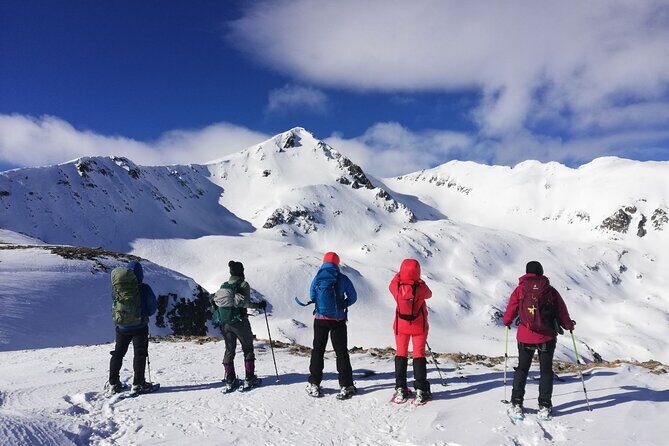
- High-altitude start at 2240m means you feel like you’re in the real Pirin fast
- +400m ascent on snowshoes is challenging-but-manageable for first-timers
- Private mountain guide support helps you handle poles, traction, and pacing
- Chairlift access (round ticket included) keeps the day efficient and low-stress
- Guides like Mitko, Lyuben, and Sasho are known for teaching technique and pointing out the best views
- Transfers from Bansko hotels mean you skip the winter driving headache
A High-Start Snowshoe Day in Pirin National Park
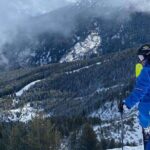
Pirin National Park is where Bulgaria’s mountains feel properly rugged—sharp ridges, glacial-looking terrain, and that cold-air clarity you only get above the tree line. What makes this trip stand out is that it doesn’t make you slog uphill from town. You’re driven to a high point and you start at the top station of the Bezbog chair lift, so your day already has altitude on its side.
That high start matters for two reasons. First, it makes the experience feel alpine right away. Second, the snowshoe climb you do (about 2 hours, +400m) isn’t wasted time getting started—you’re using energy where it counts: moving through winter mountain scenery toward a summit view.
Yes, there’s a trade-off. Starting high also means conditions can be tougher up there. If wind, cloud, or snow tighten the grip on visibility, your guide will adjust your pace and keep things safe. You’re not going for a casual walk; you’re going for a guided winter mountain outing.
You can also read our reviews of more tours and experiences in Bansko.
From Bansko Pickup to Bezbog Chairlift: Winter Logistics Done Well
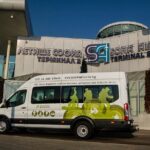
This is a one-day private outing with pickup offered from your Bansko hotel area, and the schedule is anchored by an 8:00am start. You’re looking at about a 45-minute drive to reach the chairlift area. The big win here is simple: you don’t have to drive on snow to reach the mountains. In winter, that’s often the difference between enjoying the day and spending it stressed.
Then comes the lift element. The tour includes a round chairlift ticket, so you can get up efficiently and return without turning the day into a long, purely on-foot route. It also keeps the day predictable: you can focus on snowshoeing, not on route planning or route finding.
If you’re the type who likes a plan that just works, this design fits. It reduces variables, keeps the timing tighter, and helps you show up to the snowshoe portion feeling ready rather than rushed.
The Snowshoe Ascent: What +400m Feels Like (and How Beginners Fit In)
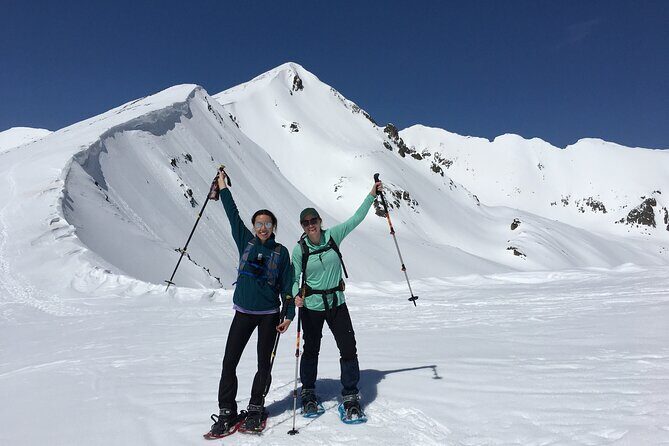
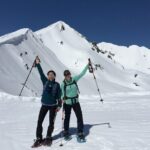
The snowshoe part runs from the chairlift top station at 2240m, then climbs to Mt. Bezbog. The provided info puts the ascent at about 2 hours, with roughly +400 vertical meters gained. That’s a solid effort, but it’s not an ultra-length grind. The guiding approach is built for people who don’t have prior snowshoe experience.
This is where you’ll notice the value of a private guide. A good guide doesn’t just lead you; they set you up. In past trips with this operator, guides like Mitko have been singled out for teaching people how to deal with equipment—how to move with poles, how to keep steps stable, and how to not burn out early. That kind of instruction is huge on snowshoes, where balance and rhythm matter as much as leg strength.
One practical note: the route is described as suitable for novices, but that doesn’t mean it’s flat or sheltered. High-altitude winter snow can feel harder and more tiring. Your guide will help you pace, but you still need to bring a calm attitude and a moderate fitness level.
And even if the lower parts of the mountains have spotty snow, the route is still presented as doable. The reason is that you’re starting high and operating in the upper zone where conditions are often more reliable. Still, weather can shift fast, so your guide’s judgment is part of the experience.
Summit Views Over Pirin, Rila, and the Rhodope Mountains
The best part of any winter climb is the moment you stop moving and start looking. Mt. Bezbog is chosen for exactly that reason: from the top you get dramatic views of multiple ranges at once. The information for this trip calls out Rila, the Pirin Mountains, and the Rhodope Mountains.
That wide view is not just pretty. It’s also educational. When you can see distant ridgelines layered against the sky, it helps you understand why this region is treated as a mountain system, not a single isolated peak. On a guided day, you’re not stuck guessing what you’re seeing—you can ask questions, and a guide can point out the ridges and explain how the terrain connects.
In the field, guides in this program have also been praised for pointing out the best views. That matters because weather can distort things: sometimes a ridge is better from one angle, sometimes a cloud break opens a better panorama. If you want photos, you’ll benefit from that little bit of local guidance.
Expect the summit to feel cold and exposed even if you’re moving steadily. Plan on breaks that are short and purposeful: look, breathe, take photos, then get back into movement.
What’s Included (and What You’ll Need to Bring)
Let’s keep this practical. The tour includes snowshoes and hiking poles, plus the round chairlift ticket and the mountain guiding fee. Transfers are included, and insurance is included as well. There are also all fees and taxes covered, so you’re not hunting for extra line items once you arrive.
What’s not included is where you’ll need to think ahead:
- Personal cold-weather equipment (you bring your own jacket/hat/gloves and whatever else you normally use in snow)
- Lunch (so you’ll either need a packed meal or other plan, depending on timing)
If you’re new to snowshoeing, the biggest mistake I see is underestimating gloves, hat coverage, and wind protection. At high altitude on a winter day, you’ll feel it. Comfortable layers that can handle both movement and stillness will make this much more enjoyable.
Also, check your footwear. Snowshoes help, but your boots still need to be warm, supportive, and able to handle snow conditions. If your boots are too thin or too loose, you’ll feel it quickly after an hour or so.
Guides, Safety, and Teaching: Why the Private Format Matters
This is a private tour/activity, so only your group participates. That sounds like a small detail, but it changes how the guide can work. Instead of managing a big group, the guide can watch your steps more closely and adjust teaching in real time.
Based on what people have highlighted, the guides put real effort into instruction. Mitko is specifically mentioned as an excellent teacher who showed how to deal with the equipment, helped people with technique, and shared stories about the place. Another guide named Lyuben gets credit for being helpful via email before the trip—answering questions and helping choose the best destination based on weather and snow conditions.
That combination—hands-on technique plus good weather judgment—makes a big difference on snow days. Winter doesn’t always cooperate, and having a guide who can flex and keep you safe is the real backbone of a good mountain outing.
Safety is also built into the structure: you have insurance included, and the route is described as beginner-friendly with private guidance support. Still, you should respect the conditions. Don’t treat snowshoeing like hiking on a mild winter trail. You’re in the mountains, and the weather up high can be the main character.
Timing and Physical Demands: How to Judge If You’re Ready
The day is listed as approximately 1 day, starting at 8:00am. The snowshoe ascent is about 2 hours and gains +400m. That gives you a good baseline for effort: you’ll work for two hours uphill in cold conditions, with breaks guided by the weather and group pace.
The tour also asks for moderate physical fitness. That usually means you can handle uphill walking for a couple hours without needing to stop every few minutes. If you’re generally active—regular walks, light hikes, or gym cardio—you’re probably in the right zone.
But don’t ignore the altitude and exposure factor. Even if you’re fit, cold wind and thin air can slow you down. The beginner-friendly nature of the route helps, but it’s still a mountain day.
If you tend to rush on climbs, let the guide set your rhythm. Snowshoes don’t reward speed. They reward efficient movement and steady breathing.
Price in Context: Is $527.34 Per Person Good Value?
At $527.34 per person, this isn’t a cheap add-on. So here’s the honest way I’d judge the value: the price seems aimed at a private, guided, equipment-supported mountain day with transfers and lift access included.
You’re paying for a lot of practical costs that can add up if you do it on your own:
- snowshoes and poles (rental and hassle solved)
- a chairlift round ticket (transport and access streamlined)
- private mountain guiding fee
- private transportation from Bansko with 2-way transfers
- insurance and covered fees
If you go as a solo traveler, that cost per person will naturally feel high. If you go as a small group, the private format can feel more reasonable because the guide and transport are spread across fewer people in your specific booking.
The missing piece is lunch. That’s not a deal-breaker, but it does mean you’ll want to plan for food so you don’t end the day underfed and cold.
In short: this price makes sense if you value guided teaching, smooth logistics, and you want a true alpine snowshoe experience without the stress of organizing equipment and access. If you’re trying to keep costs ultra-low, you might look at other options. But if you want it to run cleanly, the inclusions help justify the number.
Weather Flexibility: When Winter Changes the Plan
This is a weather-dependent mountain experience. The info says it requires good weather. If it’s canceled due to poor weather, you’ll be offered a different date or get a full refund.
That matters because winter days in the mountains can be unpredictable. Instead of forcing you onto a risky route, the operator’s approach is to respect conditions. If you hate last-minute changes, this might test your patience. But if you’d rather be safe than stubborn, the flexibility is a real plus.
Also, this tour is described as high-altitude and exposed. So even if the weather seems fine in Bansko, conditions up at the Bezbog area can be different. A guide who checks conditions and adjusts the plan makes the day safer and more enjoyable.
Should You Book This Mount Bezbog Snowshoe Day Trip?
I’d book this tour if you want a structured, beginner-friendly path into Pirin’s winter mountains. You get a guided ascent starting from the Bezbog chairlift top station, snowshoes and poles included, and the chance to see multiple mountain ranges from one summit day. The private guide angle is especially appealing if you’re new to snowshoes or you’d like someone to show you how to use equipment correctly.
I’d think twice if you’re sensitive to cold wind, if you’re not comfortable with exposure at high altitude, or if you’re hoping for an easy, low-effort stroll. The climb is only about +400m, but it’s still a real uphill winter workout for a couple of hours.
If you’re okay with that and you pack the right gear, this is the kind of day that gives you mountains you can’t get from a chairlift ride alone.
FAQ
Where does the snowshoeing start?
The tour starts from the top station of the Bezbog chair lift at an altitude of 2240m.
How much vertical elevation do you gain?
The ascent gains about +400 vertical meters.
Is this snowshoeing trip suitable for beginners?
Yes. The route is described as suitable for novices in snowshoeing with private guide support.
What’s included in the price?
Snowshoes and hiking poles, round chairlift ticket, mountain guiding fee, private transportation with transfers, insurance, and all fees and taxes are included.
What should I bring?
You’ll need to bring your own personal cold-weather equipment. Lunch is also not included.
How does cancellation work if weather is poor?
The experience requires good weather. If it’s canceled due to poor weather, you’ll be offered a different date or a full refund.