REVIEW · SOFIA
The Seven Rila Lakes & Rila Monastery
Book on Viator →Operated by Traventuria · Bookable on Viator
Seven lakes start with a chairlift. This is the kind of Sofia escape where you trade city time for glacier views and UNESCO frescoes. I especially love the Seven Rila Lakes hike option—full loop or a shorter version based on your pace—and I really like how the Rila Monastery visit mixes architecture with guided stories in the inner yard. The main drawback to plan around is weather: the chairlift and mountain visibility can change your day fast.
This trip is also good value for what you get: air-conditioned transport, a structured plan, and free entry to key monastery sights (with the optional museum). Just know you’ll pay extra for the chairlift by cash in BGN, and the day runs long (roughly 12 hours, returning around 19:30).
In This Review
- Key highlights worth getting excited about
- What this day trip really feels like from Sofia
- Seven Rila Lakes: chairlift first, then your real hike begins
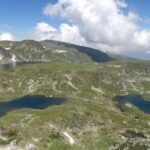
- The lakes: names, shapes, and that unreal calm
- When the chairlift changes the day
- Hiking to the lakes: how the time pressure affects what you see
- Rila Monastery: UNESCO frescoes and an inner-yard guided hour
- Optional museum time
- Dress code matters more than you think
- Getting there: the bus ride is part of the price you pay
- Queue reality at the chairlift
- Guide and audio options: how much “help” you want
- What to bring (so weather and altitude don’t ruin your day)
- Price and value: what you pay versus what you actually get
- Weather risk: when the trip is amazing, and when it’s merely okay
- Who should book this Seven Rila day
- Should you book this tour?
- FAQ
- What time does the tour leave Sofia?
- How long is the tour?
- Is the chairlift included in the price?
- Do I need a guide at the monastery?
- What should I bring for the hike?
- What happens if the chairlift doesn’t operate?
- Is food available during the day?
Key highlights worth getting excited about
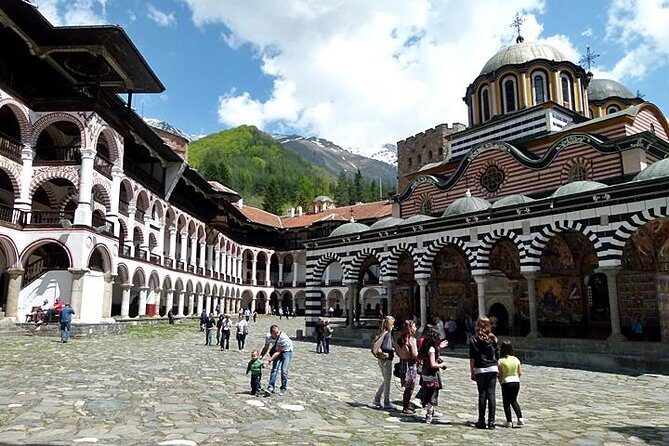
- Chairlift timing and altitude: You rise quickly to a high alpine starting point around the 2,100–2,500m range, then hike between glacier cirque lakes.
- Lake names that match the shapes: Expect familiar-sounding names like Babreka (the Kidney), Okoto (the Eye), and Salzata (the Teardrop).
- UNESCO Rila Monastery focus: You get about one hour for a guided tour of the inner yard monuments (museum is optional).
- Route flexibility for your fitness: Your group can do the full set of lakes or skip the two highest ones if schedules or conditions demand it.
- Weather-dependent chairlift: May–June especially can mean snow, wet paths, or alternative hiking if the lift can’t run.
What this day trip really feels like from Sofia
I like that this isn’t a “drive-by” tour. You spend the day doing two active, high-reward things: one mountain walk, then one immersive cultural stop in a monastery complex that’s famous enough to be UNESCO-listed.
You’ll start early—around 07:00—from a central meeting area near Sofia’s Vasil Levski Monument area (in front of the Embassy of Slovakia). Then you head out in an air-conditioned bus or minivan. The schedule is tight, so it works best if you don’t mind a full day with movement and a bit of waiting around mountain logistics.
You can also read our reviews of more tours and experiences in Sofia.
Seven Rila Lakes: chairlift first, then your real hike begins
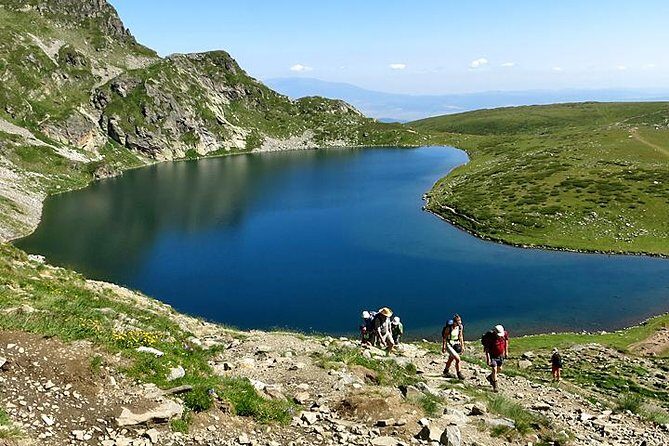
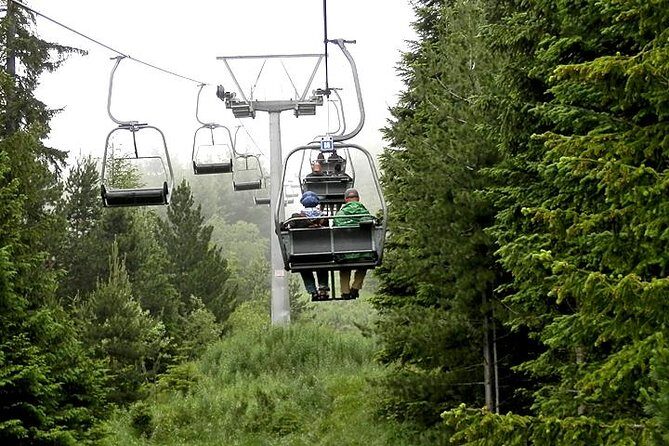
The morning starts with a transfer up toward Rila National Park and a short cable car ride to the cirque. From there, the hiking begins at serious altitude. You’ll be walking in a valley setting with glacier lakes sitting roughly between 2,100 and 2,500m (and sometimes higher routes depending on which lakes you reach).
What I find great here is that the hike is flexible. If your fitness and timing allow it, you can aim for the full loop and try for all seven lakes. If conditions are tougher—or if you need to move slower—the group can take a shorter route and typically skip the two highest lakes. That approach makes the day feel more fair: you’re not forcing everyone into the same “hero mode” plan.
The lakes: names, shapes, and that unreal calm
Even without getting poetic about it, the lake names are a fun clue to what you’ll see. Babreka (the Kidney), Okoto (the Eye), and Salzata (the Teardrop) are the kind of labels that help you spot each basin quickly while you’re moving. And because these are glacier lakes, the scenery tends to feel crisp and cold even when Sofia is hot.
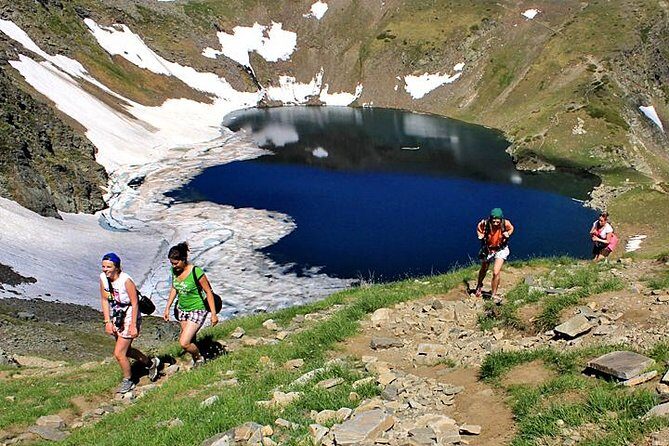
A practical note: early or shoulder-season hikes can be slippery and wet, and snow can still hang around. In May and June, expect the ground to be damp and potentially icy in shaded sections, and assume that some of the upper lakes may be harder or impossible to reach.
When the chairlift changes the day
The chairlift is not just a convenience. It’s a gatekeeper. If strong winds, power issues, or other lift problems happen, operations may halt. In that unlikely event, you should plan for an alternative hike offered on the spot by the guide.
Also, the tour explicitly warns that in these lift-halting situations you may not receive a refund. So if you’re booking close to a forecast-heavy period, build in the mindset that mountain weather sets the rules.
Hiking to the lakes: how the time pressure affects what you see
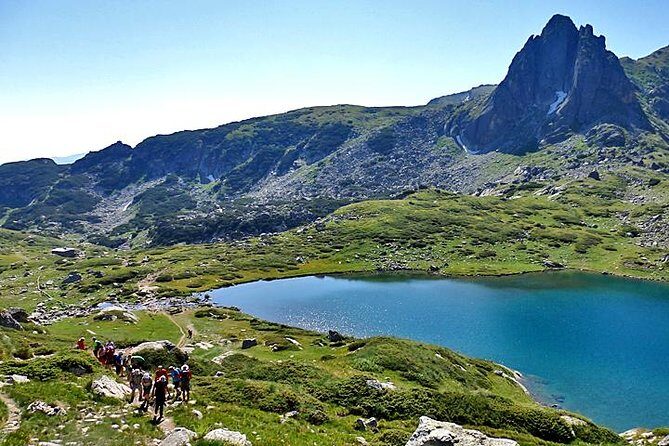
On paper, you’ll have a few hours for the lakes, but in real life your exact lake count comes down to two things: pace and conditions. The hike is described as moderately arduous, with short paths that can have steep inclines. It’s not a “walk in the park,” but it also isn’t technical mountaineering.
I’d frame it like this: you’re choosing between two good experiences.
- If you want the full wow-factor and you’re comfortable with altitude and steep trail, push for the higher lakes—when snow and weather allow.
- If you want a strong view-heavy day without racing, accept skipping the top two and focus on taking in the lower basins longer.
One thing you can control: your footwear. Don’t show up in sandals or flip-flops. You’ll want comfortable walking boots, and ideally something waterproof if the trail is wet. Rain can happen in afternoons, and a light rain jacket can make you feel like you’re in control instead of getting soaked.



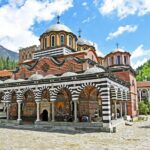
Rila Monastery: UNESCO frescoes and an inner-yard guided hour
After the lakes, you’ll head to the Rila Monastery area. This part of the day is a different pace. Instead of altitude effort, you’re dealing with architecture, courtyards, and history condensed into a guided stop.
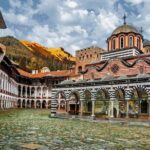
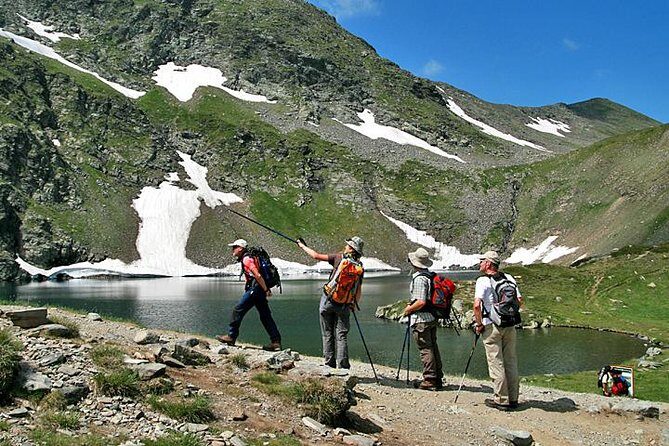
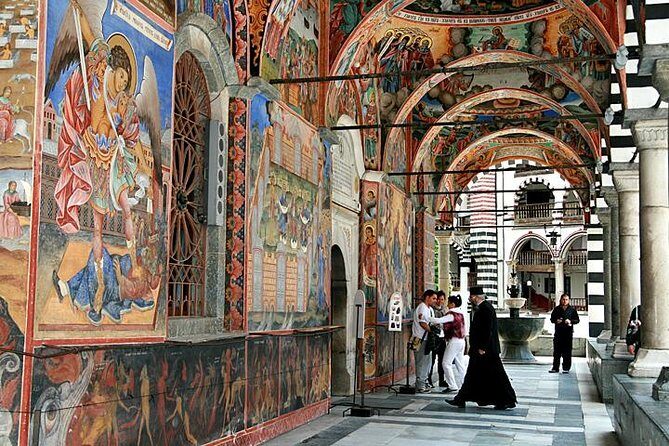
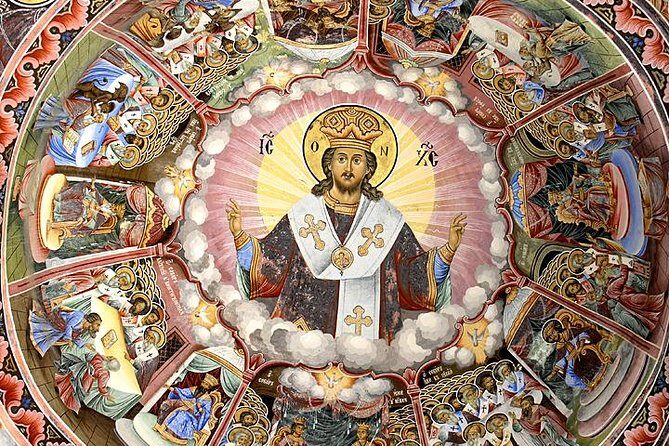
You’ll have about one hour for a guided tour of the most treasured monuments in the inner yard. Frescoes here are a big deal, and the site is often described as reaching the peak of Bulgarian Renaissance art. If you’re even mildly curious about what you’re looking at, the guide time matters—because the monastery isn’t just pretty walls. It’s a whole visual language of religious art and monastery life.
Optional museum time
The monastery visit includes the core monuments and inner yard tour, while the museum is optional. There’s an approximate extra fee for the museum, so if you’re trying to keep costs down, you can treat the inner yard tour as the main event.
A small tip that showed up in real-life experiences: plan for cash for purchases and services. Some areas around the monastery can be cash-friendly, and it’s smart to carry small change.
Dress code matters more than you think
Rila Monastery is strict about what you wear. You should plan to cover up, and don’t count on being allowed in shorts or skirts. If you show up prepared—long pants and a light layer—you’ll spend less time negotiating and more time looking.
Getting there: the bus ride is part of the price you pay
This is one of those day trips where “duration” really means bus time. The tour is about 12 hours, which includes the round trip to the mountain and the monastery stop. You’ll likely feel like you’re on the road a good chunk of the day, even though the day’s highlights are clearly worth it.
The upside is that transport is set up for comfort: you’re on an air-conditioned coach or minivan with a driver and guide. The group size is capped at 30 travelers, and on larger days you may be split across multiple vehicles and guides so everyone can move through the hiking and viewing areas more efficiently.
Queue reality at the chairlift
The chairlift ticket is not included. And the way it’s paid matters. The tour notes that chairlift tickets require cash in BGN, and card payments aren’t guaranteed. That means you should budget time for queues and prepare money before you reach the lift.
Also, the chairlift can feel basic—open and exposed—so if heights make you nervous, this might be a comfort question. It’s still an experience worth trying for most people, but it’s better to know than to find out when you’re already seated.
Guide and audio options: how much “help” you want
You can join with an English-speaking guide (if guided option is selected), or you can go with an included online audio guide option in multiple languages. The audio option is cloud-based, and it requires internet to download and use, plus headphones.
In practice, I think there’s a sweet spot:
- If you like to understand what you’re seeing—especially at the monastery—an English guide can be a big upgrade.
- If you’re confident hikers and prefer your own tempo, you might like having an audio guide so you can pause and move when you want.
One reason people love this trip is that the guide style can make or break the day. When guides like Megi Ski, Maya, Todor, Peter, and Rafi are on the schedule, the experience tends to feel organized and responsive—especially for different hiking levels. That matters because the lakes portion is the part where timing and pacing decide your lake count.
What to bring (so weather and altitude don’t ruin your day)
This isn’t a list you can ignore. Mountain conditions can surprise you, even in good seasons. Here’s what I’d pack for a smoother day:
- Comfortable hiking boots (closed-toe, traction, ideally waterproof)
- A warm layer plus a rain jacket if you’re traveling in summer months with afternoon showers
- Lunch from Sofia: the day runs tight, and while there are two huts on the way where basic food might be available, you can’t count on it for a proper meal
- Water and snacks (the hike can be demanding)
- Cash in BGN for the chairlift and for any monastery purchases that use cash
If you’re going in late spring (May/June), plan for snow patches and wet, slippery trail. Hiking poles can help you stay steady on steep and rocky sections, and a warm base layer can make the difference when it’s colder near the lakes.
Price and value: what you pay versus what you actually get
At around $54.42 per person, you’re not paying for chairlift rides or museum tickets. You are paying for a lot of the hardest-to-arrange parts: the long-distance transport, a structured mountain plan, and fuel. If you choose the guided option, you’re also paying for an English-speaking guide.
Then you add the two likely extras:
- Chairlift ticket: approximately 15 EUR / 30 BGN, paid in cash BGN (cards aren’t reliably accepted)
- Monastery museum: optional, roughly 5 EUR / 10 BGN
So your true cost is closer to a small “all-in mountain day” rather than just the upfront price. Still, I think the value holds because you’re getting two major sights in one day: a UNESCO monastery visit and high-altitude glacier lakes with real hiking time.
Also, there’s a lot to be said for a max-group size of around 30. You’re not stuck with a massive crowd where nobody can move.
Weather risk: when the trip is amazing, and when it’s merely okay
This is the big consideration. The chairlift and lake visibility depend on weather. In fog or heavy conditions, the experience can shrink fast—sometimes down to a shorter walk, and you may get alternative sightseeing instead.
I’m not saying to avoid it. I’m saying: treat this like a flexible-weather day trip. If the forecast looks unstable, you may end up with fewer views than you hoped, even though the effort still gets you out of Sofia.
The good news is that the tour explicitly offers adjustments on the day if the chairlift can’t run. And if the whole experience gets canceled due to poor weather, you’re offered a different date or a full refund. That’s the kind of safety net you want for mountain travel.
Who should book this Seven Rila day
I’d book this if you:
- Want a single-day hit of mountains + UNESCO monastery
- Can handle steep, moderately arduous hiking for a few hours
- Prefer being guided for the monastery part, then hiking at your own pace within the schedule
- Don’t mind early starts and long road time
I’d think twice if you:
- Are sensitive to exposed chairlift rides or heights
- Hate tight schedules and waiting around queues
- Know you won’t hike in wet or cold conditions (especially in May/June when snow patches can appear)
- Expect the itinerary to always deliver all seven lakes, no matter what the weather does
If you love hiking and want a challenge, you’ll likely aim for the upper lakes when it’s possible. If you want maximum comfort and still want the core experience, the shorter lake route is a practical plan.
Should you book this tour?
Yes—with eyes open. This trip is a strong match for people who want structure and don’t mind paying a little extra on top for the chairlift. The lakes are special, and the monastery visit is genuinely worth it when you get that guided hour.
Before you book, check your hiking readiness, pack for cold and wet, and bring the right payment type in BGN cash. If you do that, you’ll turn what could be a weather-dependent day into one of the most memorable mountain experiences you can have within a day from Sofia.
FAQ
What time does the tour leave Sofia?
The departure is around 07:00 from the car park next to Vasil Levski Monument, in front of the Embassy of Slovakia.
How long is the tour?
It runs for about 12 hours, and it returns to the starting point at approximately 19:30.
Is the chairlift included in the price?
No. The chairlift ticket is not included and costs about 15 EUR / 30 BGN per person. Cash payments in BGN are required.
Do I need a guide at the monastery?
A guided tour of the inner yard monuments takes about one hour when the guided option is selected. An audio-guide option is also available if you choose that route.
What should I bring for the hike?
Bring comfortable walking boots (sandals and flip-flops aren’t accepted), water, and food/lunch since the program is tight. A rain jacket and warm layer can help, especially if showers or colder conditions show up.
What happens if the chairlift doesn’t operate?
If the chairlift halts due to issues like strong winds or power cuts, the guide will offer an alternative hike on the spot. In that situation, it does not qualify you for a refund.
Is food available during the day?
There are two huts where you can purchase basic food on the way, but it’s advised that you bring a lunch pack from Sofia because the schedule doesn’t allow much time for a proper lunch. Food availability at the monastery can also be uncertain.