Thracian tombs feel like time travel. In one day you get the Valley of the Thracian Kings story laid out through paintings, burial architecture, and the artifacts that survived. It starts with convenient pickup from anywhere in Sofia and ends back in the city, with entrance fees handled for you.
What I like most is the combination of multiple tombs and guided interpretation. When the guides are in top form, the whole thing clicks, like Ivan’s clear storytelling or Krassimir’s tight, fact-filled explanations that make each tomb feel like a chapter, not a stop. I also love that your day isn’t only about rooms underground; the museum stop in Sofia helps you connect what you see in the tombs to what’s kept above ground.
One thing to consider is that this is a long country drive day. Even with the comfortable van, you’re spending hours on the road, and the experience depends heavily on whether your guide keeps the narrative going the whole time. If you really care about constant commentary, consider booking a private tour option when available.
In This Review
- Key things to know before you go
- From Sofia at 8:00 to museum artifacts later
- Kazanlak UNESCO tombs and the rose-oil connection
- Four more tombs: Grifoni chambers to Ostrusha’s ceiling art
- Grifoni: a different layout with rich finds
- Ostrusha: the ceiling you will keep picturing
- What about the other tombs?
- Iskra Historical Museum: artifacts that explain what you just saw
- Comfort, group size, and why your guide matters
- Price and value: what $119.27 buys you
- What you should bring (and how to make the most of the day)
- Who this tour suits best (and who might want another option)
- Should you book this tour?
- FAQ
- What time does the tour start?
- Is hotel pickup and drop-off included?
- How long is the tour?
- What’s included in the price?
- What is not included?
- Is the tour in English?
- How big is the group?
- Can I cancel for free?
Key things to know before you go
- Entrance fees are included for the tomb sites and the museum stop, so you’re not juggling ticket lines.
- You’ll see Kazanlak plus four more Thracian tombs, each with its own style and layout, not just one repeat type.
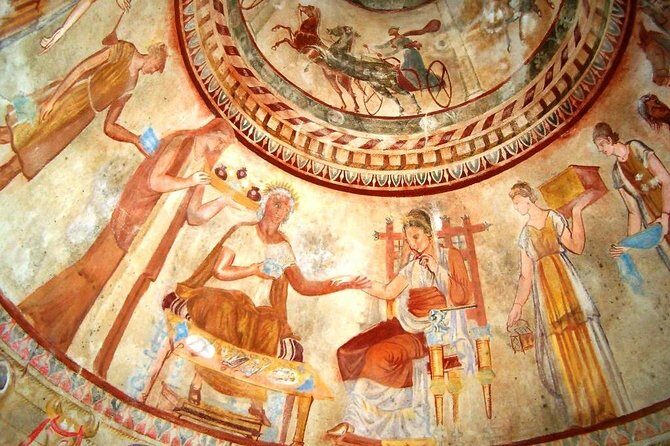
- Ostrusha is a highlight thanks to its ceiling work with relief, portraits, colorful figures, and floral decoration.
- Grifoni shows the inside-the-mountain plan with three chambers and a corridor, and it’s known for very rich finds.
- Iskra Historical Museum ties the loop by showing artifacts from the tombs and related Thracian material culture.
- Small groups and COVID precautions are part of the setup: masks, disinfectant spray in vehicles, and medical checks for guides and drivers, with tours only for small groups (up to 7) or private options.
From Sofia at 8:00 to museum artifacts later
This is the kind of day trip that works because the logistics are handled. You start at 8:00 am, and pickup covers basically anywhere in Sofia, so you don’t burn time figuring out how to get out to the tomb valley. The tour runs about 10 hours, and the pacing is built around travel time plus time inside each site.
You can expect a schedule that feels structured but not rushed. The tomb cluster stop is about 3 hours, and the museum visit is about 1 hour, with the rest of the day made up by driving—especially the return, which is listed as roughly 2.5 hours back to Sofia after the museum.
For practical planning, remember food and drinks are not included. Bring water and something small to nibble, especially if you’re the type who gets hungry early. Tomb days often move from bright outdoors to dim interiors, so a light jacket is also a good idea even in warmer months.
You can also read our reviews of more tours and experiences in Sofia.

Kazanlak UNESCO tombs and the rose-oil connection
Kazanlak isn’t just famous—it’s one of the reasons this region matters so much. The setting is the broader Valley of the Thracian Kings, a burial ground for Thracian nobility that produced around 1,300 tumuli (burial mounds). About 300 have been excavated, which is why the archaeological picture of the Thracians is unusually tangible here.
This is also the Valley of the Roses, tied to rose oil production. That contrast—modern rose culture next to ancient royal tomb art—makes the whole day feel more grounded. You’re not just hunting ancient curiosities; you’re moving through the same kind of region that shaped the local economy and identity.
Inside the Thracia tomb of Kazanlak, the big draw is the well-preserved, original frescoes. It dates to the end of the 4th century BC, and it’s recognized as a UNESCO World Heritage site. For your visit, the smart move is to slow down and look upward. The paintings are the story: figures, scenes, and the way color holds up over millennia is what makes this tomb feel unreal in the best way.
A small note on expectations: tomb interiors are compact. Even with excellent preservation, you’re walking into a designed space meant for burial, not for long museum-style viewing. Go in with that mindset and you’ll enjoy the art more, instead of comparing it to larger, open-air sites.
Four more tombs: Grifoni chambers to Ostrusha’s ceiling art
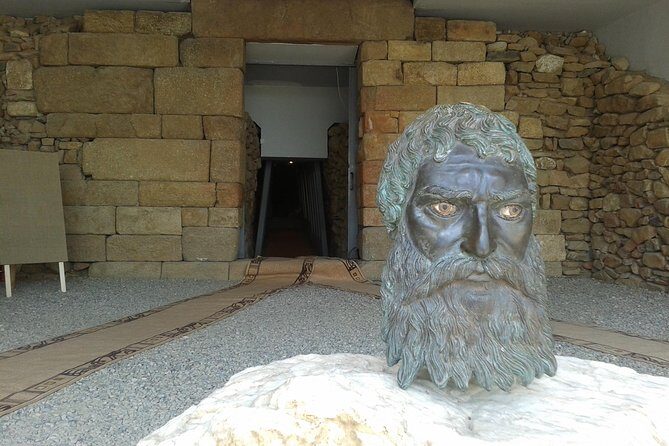
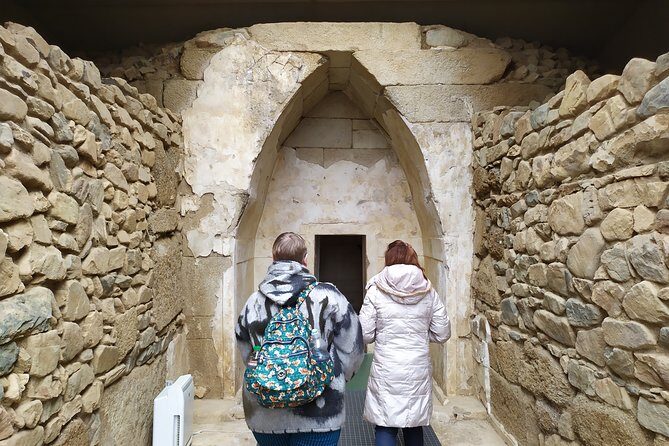
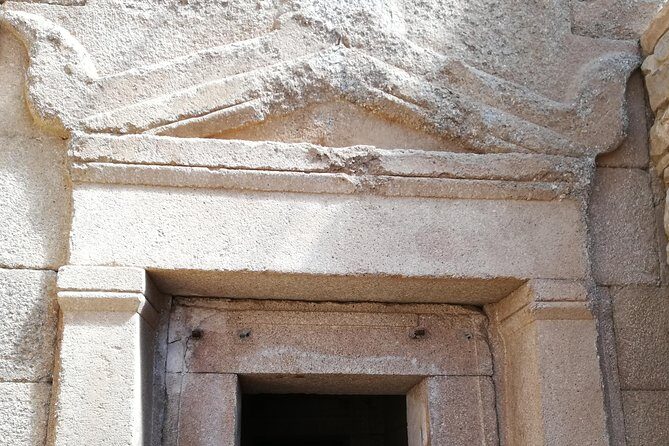
After Kazanlak, you’re taken to four more Thracian tombs, chosen to show how varied Thracian burial architecture could be. The tour description makes it clear these tombs are very different from each other, and that variety is one of the best reasons to book a guided day like this rather than trying to piece it together on your own.
Grifoni: a different layout with rich finds
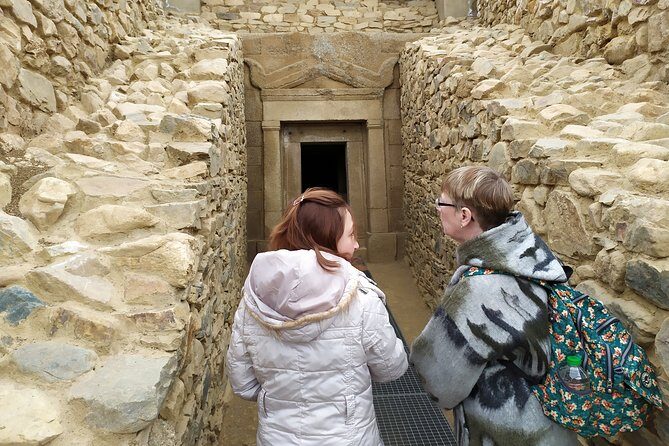
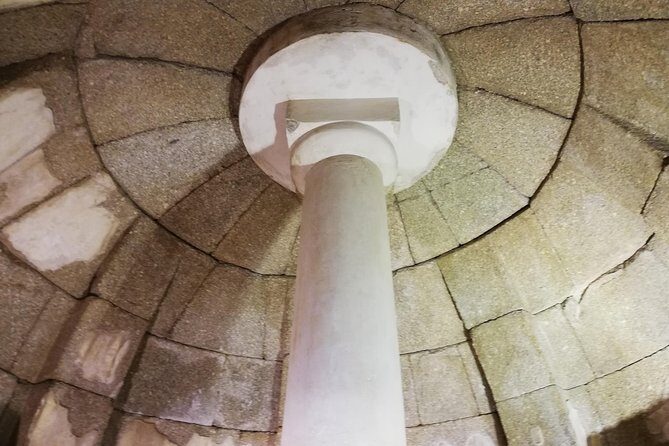
One of the named stops is the Grifoni tomb from the 5th century BC. What stands out is the internal plan: it has three chambers and one corridor. That layout matters because it changes how the art and space are experienced. Instead of one room dominating the visit, you’re moving through designed transitions, which helps you understand how the Thracians thought about procession, separation, and ritual movement inside a burial complex.
Grifoni is also described as one of the richer Thracian burials found so far, with valuable artifacts and works of art discovered at the site. If you like “how do we know what we know” archaeology, this is the tomb type that rewards attention: artifacts plus architecture give you more evidence to connect the dots.
Ostrusha: the ceiling you will keep picturing
The final named stop is the Ostrusha tomb, dating to the 4th century BC. Ostrusha’s main fame comes from its unique ceiling work—a mix of relief and fine decoration. The description calls out different portraits, colorful figures, and floral ornaments.
This is the tomb where I’d plan to spend the most mental energy. It’s the kind of ceiling where the design isn’t just decoration; it shapes the entire mood of the space. If you’re the type who likes symbolism, try looking for how the decoration is organized and what repeats across panels or sections. Even if you’re not fluent in ancient iconography, you’ll feel how carefully the ceiling was built to impress.






What about the other tombs?
Two tombs are clearly named in the details you have (Grifoni and Ostrusha), and Kazanlak is the UNESCO anchor. The tour also includes four additional tombs after Kazanlak, but not all of them are specified here. Still, the point remains: you’re not seeing five nearly identical rooms. You’re getting a “variety pack” of Thracian burial design, and that’s exactly what helps the culture feel real rather than repetitive.
Iskra Historical Museum: artifacts that explain what you just saw
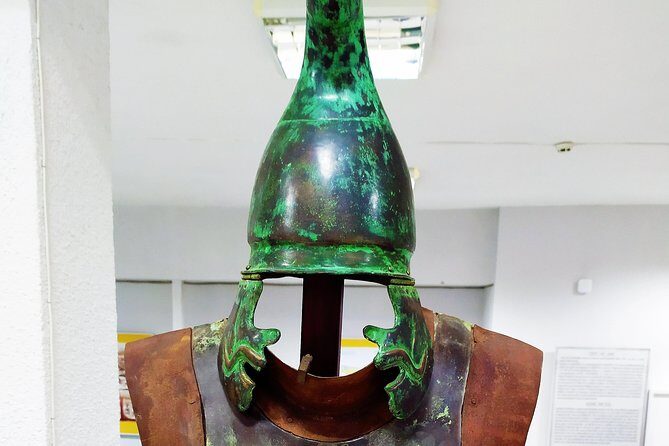
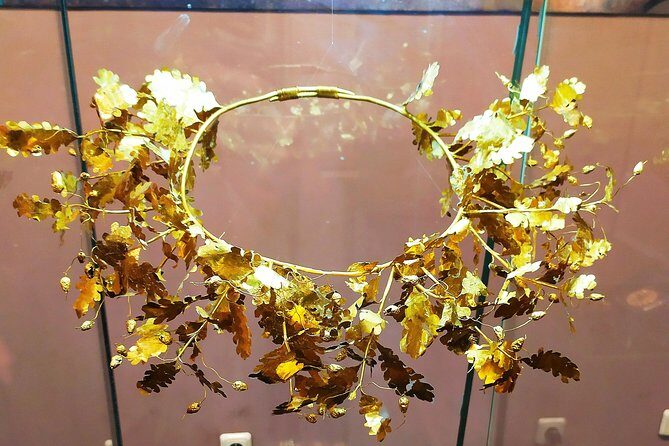
Once your eyes have been underground all morning, the Iskra Historical Museum stop works like a reset button. It’s described as a regional archaeological museum, with artifacts from the tombs and masterpieces of Thracian art and material culture.
This museum stop is valuable because tomb paintings and wall decoration can feel like a sealed world unless something connects it to objects. When you see actual finds placed in context, you’re better able to understand what the frescoes and designs might have been meant to represent.
It’s also a practical stop in terms of timing. The museum visit is about 1 hour, and then you get a 2.5-hour drive back to Sofia. That means you don’t need to worry about being stuck for hours with no “indoors break.” It’s a good rhythm: go deep at the tombs, then come up for air and context.
Comfort, group size, and why your guide matters
This tour is capped at a maximum of 15 travelers, and it’s also described as operating with small groups up to 7 for COVID-era safety practices, with an option for private tours. That matters because tomb visits work best with a guide who can pace you and answer questions without turning the day into a race.
The transport is by private vehicle, and pickup is hotel-style pickup and drop-off. In plain terms: you’re not wrangling public buses between sites, and you don’t have to worry about finding parking in countryside towns.
The guide piece is also huge. The highlights and the guide names that show up in real feedback point to why: you’ll likely want a person who can connect the details—like what makes Kazanlak’s frescoes so important, or how a ceiling like Ostrusha’s would be designed to impress. Some of the guides mentioned include Ivan, Krassimir, Lyubo, and Daniel, and what shines through is the ability to keep the narrative engaging even when you’re on the road.
One practical thought: this is a day with lots of driving. If you end up with a guide who is reserved or short on commentary, you might feel the time more. If you care about storytelling and history connections, the private tour option is worth serious consideration.
Price and value: what $119.27 buys you
At $119.27 per person for about 10 hours, the price looks reasonable only if you treat it as a bundle, not as “just transportation.” Here’s what you’re getting that saves money and hassle:
- Professional guide
- Hotel pickup and drop-off from anywhere in Sofia
- Transport by private vehicle
- Entrance fees included (the highlights call it free admission to all attractions)
Because entrance fees and guide services are included, the cost isn’t just for driving. You’re paying for expert interpretation at sites that are hard to appreciate without context. You’re also paying for the convenience of a structured day—pickup, routing, and return—rather than figuring out how to connect multiple tomb locations.
What’s not included is food and drinks, so you’ll want to budget for at least your lunch or snack needs. That’s the main “extra” cost category you should plan for before you go.
What you should bring (and how to make the most of the day)
The tour says it fits people with moderate physical fitness. That usually means normal walking plus moving through historic site areas. If you’re sensitive to stairs or uneven surfaces, take it slowly at each stop.
What I recommend packing for a day like this:
- Water and a light snack since food isn’t included
- A light layer for cooler tomb interiors
- Sun protection for the drive and outdoor moments between stops
- Your mobile ticket, since it’s provided for the experience
Also consider timing psychology. Tomb visits are short but intense. A lot of the satisfaction comes from noticing small visual details—how fresco scenes are composed, how ceiling decoration is arranged, and how each tomb’s architecture guides your movement.
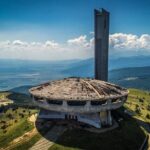
If you enjoy rural scenery, you may also get extra visual reward from the drive. Feedback associated with this trip mentions views like rural stretches with fields of sunflowers, and distant sightings toward Shipka and Buzludzha from the wider area around the tomb sites. You can’t plan on exact sightlines, but it’s a nice reminder that the journey isn’t only “getting there.”
Who this tour suits best (and who might want another option)
This tour is best if you:
- Love history and archaeology and want a guided framework
- Want a day focused on Thracian culture without spending your own time routing between sites
- Appreciate UNESCO-level artwork and how it connects to real objects in a museum
- Like the idea of seeing multiple tombs with different styles in one day
It may be less ideal if you:
- Need frequent long breaks or you get tired from extended driving
- Expect large, museum-sized spaces at every stop (tombs can be compact by nature)
- Are especially sensitive to the guide experience quality, since the tone of the day depends on storytelling during transit and at each site
Should you book this tour?
If your priority is one organized day devoted to Thracian burial art—Kazanlak plus several other tombs—and you want that experience connected to artifacts at the Iskra museum, then this is a strong choice. The value improves because entrance fees are included, pickup is built in, and the group size is kept limited.
I’d book it especially if you’re traveling with someone who enjoys explanations, not just photos. If you’re the kind of traveler who wants the road time filled with history talk, consider choosing the small-group setup or the private tour option when possible.
FAQ
What time does the tour start?
The tour starts at 8:00 am.
Is hotel pickup and drop-off included?
Yes. Pickup and drop-off are included, and they pick up clients from any point in Sofia.
How long is the tour?
The duration is listed as 10 hours (approx.).
What’s included in the price?
Included are a professional guide, hotel pickup and drop-off, transport by private vehicle, and entrance fees.
What is not included?
Food and drinks are not included.
Is the tour in English?
Yes, the tour is offered in English.
How big is the group?
The tour has a maximum of 15 travelers. It also notes small-group operations of up to 7 persons for safety, with an option for private tours.
Can I cancel for free?
Yes. You can cancel up to 24 hours in advance for a full refund.