REVIEW · SOFIA
Bulgarian Food tasting, cullinary-historical tour, Cooking class
Book on Viator →Bookable on Viator
Cooking Sofia starts at the market. This Bulgarian food tasting and cooking class mixes hands-on cooking with a culinary-historical look at the Balkans, and you learn three dishes crafted around your cooking comfort and personal tastes. You also get a proper meal at the end, not just bites and photos.
What I really like is how practical the teaching feels. Mariela teaches you techniques step by step, and she’s happy to talk as you work—Sofia context, food traditions, and what makes the flavors click in Bulgarian kitchens.
One thing to plan for: you may end up with large portions (especially if you’re solo), and the experience can run longer than the 6-hour estimate when the day includes extra steps like market shopping.
In This Review
- Key highlights you’ll care about
- Sofia’s Food Starts With Shopping and Small Choices
- Zhenski Pazar: Woman’s Market and Bulgarian Ingredients
- St. Nikolas Russian Church and Sofia Center: Getting Your Bearings
- The Cooking Class: Three Dishes, Your Skill Level, Real Techniques
- A few kitchen realities to know
- Lunch or Dinner Tasting: Eat What You Cook (With a Bulgarian Twist)
- Portion size: the solo-traveler consideration
- Cultural Context Without the Lecture Wall
- Price and Logistics: Is It Good Value?
- What to Bring and How to Prep for a Smooth Day
- Who This Sofia Class Fits Best
- Should You Book This Bulgarian Cooking and Tasting Tour?
- FAQ
- What kinds of dishes will I cook?
- Is grocery shopping included?
- Where does the tour start and end?
- Can I get pickup?
- What’s included in the price?
- What’s not included?
- Is the kitchen accessible by elevator?
Key highlights you’ll care about
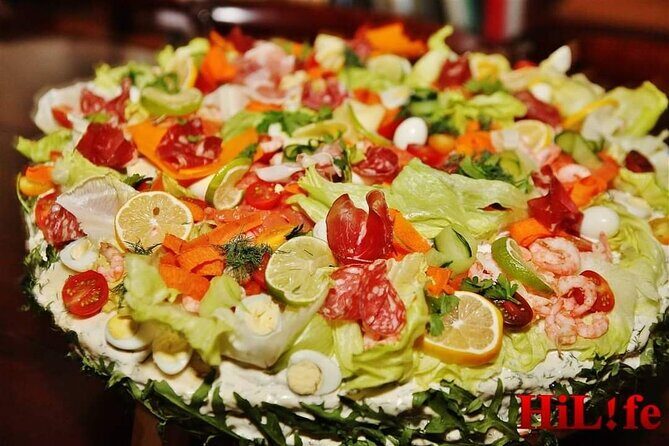
- A menu built for your skills and preferences: you’ll cook 3 typical Bulgarian dishes, chosen for you.
- Market time when weather allows: if it’s a working day and conditions are good, you’ll shop together at the Woman’s Market.
- Full meal + multiple courses: lunch or dinner after cooking, with tasting built into the experience.
- Hands-on technique practice: things like onion prep and pastry work show up in real cooking flow.
- Private group atmosphere: only your group participates, so questions don’t get lost.
- Small practical warnings: kitchen is on the second floor with no elevator, and there’s a cat in the kitchen.
Sofia’s Food Starts With Shopping and Small Choices
This experience is designed around one simple idea: if you understand the ingredients and the local habits, cooking feels easier. You start with the outside world—market energy and city sights—then you move into a working kitchen where every step has a reason.
Your guide for the day, Mariela, doesn’t just hand you a recipe. She adjusts the plan. The menu depends on your cooking skills and what you actually like to eat. That matters because Bulgarian classics range from pastry and stuffed dishes to meat-forward baked pots and grilled plates. If you’re not comfortable with one style, she can steer you toward another.
Also, you’re not just watching. You’re cooking, tasting, and eating what you made.
You can also read our reviews of more food & drink experiences in Sofia
Zhenski Pazar: Woman’s Market and Bulgarian Ingredients
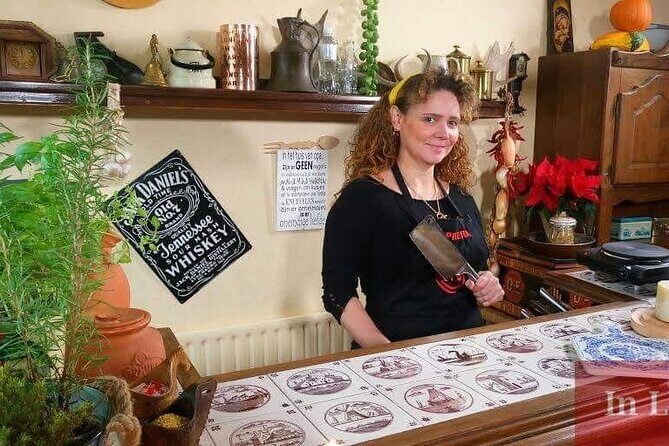
If the weather cooperates and it’s a working day, you’ll do grocery shopping together at Zhenski Pazar (Woman’s Market). This is where the class gains its real-world texture. You’ll see Bulgarian products up close and learn about the traditions that shape what people buy and cook.
What you should take from the market portion is not a “shopping list.” It’s the way Bulgarians think about daily staples: pastry ingredients, vegetables for stuffed dishes, meat choices for baked and grilled meals, and the kinds of flavors that show up again and again across the Balkan region.
Practical tip: wear shoes you can walk in comfortably. Markets are not the place for delicate footwear. And if you’re sensitive to crowds or smells, bring a calm mindset—markets are part of the point.
St. Nikolas Russian Church and Sofia Center: Getting Your Bearings
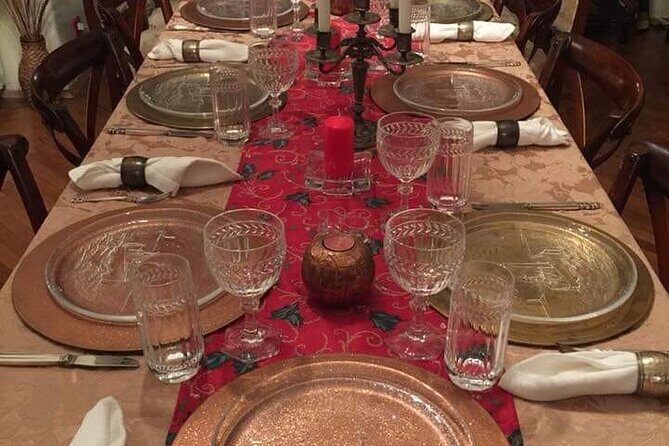
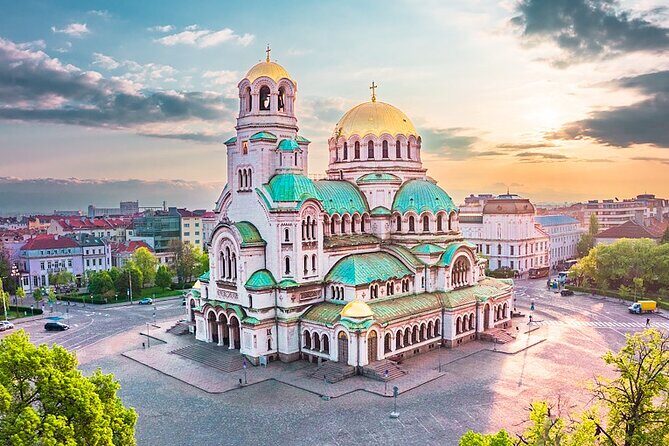
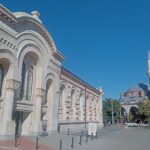
After the market, the itinerary includes stops around Saint Nikolas Russian Church and then Sofia Center. This is short and easy, more like orientation than sightseeing marathon.
Why it’s worth including: Bulgarian food culture didn’t form in a vacuum. Sofia’s religious and historical layers show up in daily life. Even when you only get brief context, it helps your brain connect the dots while you’re later handling dough, stuffing vegetables, or learning how a baked pot meal is assembled.
This portion is also a good time to ask questions. Ask how certain dishes became common, or where ingredients like pumpkin and cabbage fit into seasonal eating. Mariela’s style is conversational, and she shares stories in a way that makes the food explanations stick.
The Cooking Class: Three Dishes, Your Skill Level, Real Techniques
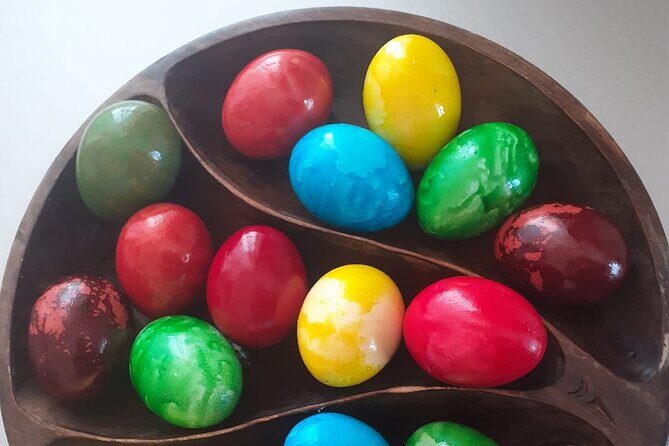
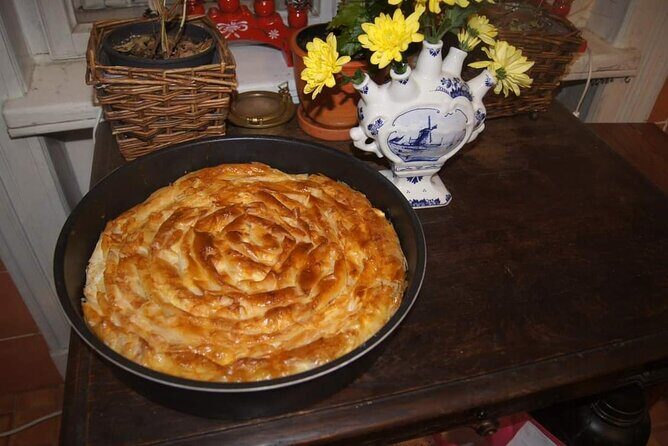
You’ll learn to cook three typical Bulgarian dishes. Examples can include bread or cheese pastry, hot pot-style meals, dolmas, burek, and pumpkin desserts. Your exact menu depends on your abilities and preferences, so you’re not forced into a “one-size-fits-all” menu.
The sample dishes range across several styles, and that variety is one of the best parts. You’ll taste and cook more than one side of Bulgarian cooking.
Here’s how the menu examples translate into what you’ll actually be doing in the kitchen:
- Burek (cheese burek pastry)
Expect pastry handling and filling work. This teaches you how to balance dough thinness with the reality that fillings need to stay put.
- Dolmas (cabbage with meat)
Stuffed and rolled food teaches patience and portion control. It’s also one of those dishes where the “feel” matters: you want even rolls so everything cooks at the same pace.
- Gyuvetche (hot pot with meat or vegetables)
Think baked comfort food. You learn assembly and layering, and you see how a pot turns ingredients into a unified flavor.
- Tikvenik (pastry with pumpkin)
Dessert or snack pastry. Pumpkin desserts in Bulgaria have a comforting sweetness that doesn’t taste like a generic cake.
- Meshana skara (grilled meat)
This is the grilled-meat side of the spectrum. You get a sense of how Bulgarian grilling focuses on simple seasoning and proper cooking timing.
- Kavarma (chicken or pork baked in a pot, covered with omelette)
This one teaches a very Bulgarian trick: bake the meat so it stays juicy, then let the omelette layer set on top.
- Mekitzi (cousin of Hungarian langos, eaten for breakfast or dessert)
This is the fun, street-food-adjacent comfort option. You’ll learn why these doughy treats belong in both sweet and savory moods, often with honey or feta.
One technique highlight I’m glad you should expect to practice is basic prep like onion slicing. In a class like this, it’s not “just cut an onion.” It’s about speed, consistency, and how the cut affects cooking results. I also found the training style practical and calm, the kind that helps you move without panicking.
If you’re a slower cook, that’s not a problem. Mariela adjusts the pace. If you’re fast, she can give you more technique coaching so your work improves, not just finishes.
A few kitchen realities to know
The kitchen is on the second floor and there’s no elevator, so plan for stairs. Also, there’s a cat in the kitchen. If you have allergies or a strong dislike of animals, tell Mariela in advance so the setup can work for you.
Kitchen equipment is included, so you don’t need to bring utensils or gear.
A few more Sofia tours and experiences worth a look
Lunch or Dinner Tasting: Eat What You Cook (With a Bulgarian Twist)
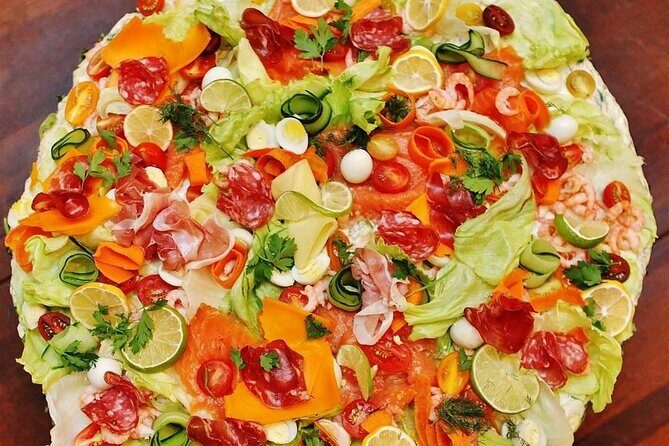
After cooking, you’ll enjoy food tasting—lunch or dinner depending on the class flow. The experience is built around multiple courses. The sample menu shows starters, mains, and desserts, and that’s the pattern you should expect.
You’ll be eating food that you helped make, so you’ll understand the texture and taste behind each step. That’s why this isn’t just a “learn to cook” activity. It’s also a flavor lesson.
A note on drinks: alcoholic beverages aren’t included. Soda/pop and bottled water also aren’t included. I’d plan on bringing cash or having a card ready if you want a drink. Water matters, especially if you’re tasting across multiple courses.
Portion size: the solo-traveler consideration
If you’re traveling alone, you might find the servings are too generous for one person. That’s not a flaw in the cooking—it’s how home-style meals are built. If you want to manage that, consider coming hungry and pacing your tasting so you don’t feel sick halfway through dessert.
Cultural Context Without the Lecture Wall
The pitch here is “culinary-historical,” but it doesn’t mean long speeches. Instead, you get food context tied directly to what you’re doing.
You’ll learn about Bulgarian products and traditions, and Mariela connects them to the wider Balkan culinary picture. You also get city storytelling along the way—Sofia’s character, why certain dishes are common, and how habits shape flavors.
One detail that really helps: Mariela brings a mix of cooking and real-world experience. She isn’t just a cookbook teacher. In conversation, she shares her background across different roles, including hotel management, and she also talks about travel experiences. That matters because it makes the cultural talk feel lived-in rather than academic.
Price and Logistics: Is It Good Value?
At $138.18 per person, this isn’t a budget snack class. But it’s also not overpriced for what you receive.
Here’s why the value works:
- You get kitchen time and equipment included.
- You get a full meal at the end, and the experience includes lunch, brunch, and dinner as part of the overall structure.
- You learn three dishes, which is usually enough to take home real confidence (not just one recipe).
Duration is listed as about 6 hours, but you should plan a little flex. If your day includes market shopping and a longer hands-on cooking flow, it can run later into the evening. If you’re trying to fit another plan the same day, give yourself a buffer.
Pickup is possible, and you can also meet at the subway Luvov Most station. The official meeting point is Church of St. Nicholas the Wonderworker, in Sofia Center. The activity ends back at the meeting point.
It’s also a private experience, so your group stays together and the pace can feel more personal.
What to Bring and How to Prep for a Smooth Day
You don’t need a bag of cooking tools. Equipment is included. But bring yourself with the right mindset.
- Wear comfortable shoes for market walking and moving around.
- If you have dietary needs or food dislikes, mention them early so the menu can adapt.
- If you’re sensitive to cat exposure, let Mariela know in advance.
- Bring a water bottle only if you prefer it—bottled water isn’t included, but you can buy it if needed.
Also, you’ll likely be at work in the kitchen, so expect to get a little warm and a bit busy. This is not a sit-and-watch show.
Who This Sofia Class Fits Best
I’d point you to this experience if you:
- want to cook more than one Bulgarian dish in a single day
- like practical technique (pastry, stuffing, assembly, baking/pot cooking)
- want Sofia context that connects directly to food
- prefer a private small-group style rather than a crowd experience
- can handle stairs since there’s no elevator in the kitchen building
It’s also a solid choice for English speakers; the tour is offered in English and aims to keep the pace understandable.
If you’re very picky about portion sizes, plan ahead for leftovers or choose tasting pace. The food is meant to be enjoyed like a meal, not just sampled like a flight.
Should You Book This Bulgarian Cooking and Tasting Tour?
Book it if you want a day in Sofia where the food is the main event and you come away with both skills and flavors you can repeat at home. The combination of market context, a chef-led menu tailored to your preferences, and a real lunch or dinner makes this feel like a full experience, not a quick workshop.
Skip it (or ask extra questions first) if:
- you can’t manage stairs (second floor, no elevator)
- you have concerns about cat exposure
- you’re short on time and can’t handle the cooking and tasting running longer on some days
If you like your travel hands-on—buy ingredients, cook, eat, then talk about what you’re tasting—this one fits.
FAQ
What kinds of dishes will I cook?
You’ll cook three typical Bulgarian dishes, chosen based on your cooking skills and preferences. Examples can include burek, dolmas, gyuvetche, tikvenik, meshana skara, kavarma, and mekitzi.
Is grocery shopping included?
Grocery shopping at Woman’s Market is included if the weather is fine and it’s a working day. Otherwise, the class focuses on the cooking and tasting parts.
Where does the tour start and end?
It starts at Church of St. Nicholas the Wonderworker in Sofia Center (bul. Tsar Osvoboditel 3) and ends back at the same meeting point.
Can I get pickup?
Pickup is offered. You can also meet directly at the subway metro station Luvov Most.
What’s included in the price?
The experience includes lunch, brunch, dinner, and kitchen equipment.
What’s not included?
Alcoholic beverages, soda/pop, and bottled water are not included.
Is the kitchen accessible by elevator?
No. The kitchen is on the second floor and there is no elevator. Service animals are allowed.