REVIEW · SOFIA
Private city walking tour of Sofia
Book on Viator →Operated by 365 LTD · Bookable on Viator
Sofia tells its story in one tight walk. This private city walking tour is a smart way to connect the dots fast, with a certified local guide who brings the places to life through real context. I like the balance between major landmarks and lesser-known corners, but plan for a drawback: several stops have admission fees that are not included.
What makes this format work well is the 2-hour pace and the fact it’s truly just your group. Guides such as Vasil and Mina are repeatedly praised for keeping people engaged and answering questions with energy, which matters when you’re moving from one centuries-old site to the next. You also get a mobile ticket, so you’re not stuck hunting for printouts.
One more thing to know: some sights are free (like the Monument of Saint Sofia and the Ancient Serdica complex), while others are ticketed (including several churches and museums along the way). If you want everything to be smooth, wear good walking shoes and budget a bit extra for the paid entries.
In This Review
- Key things to love about this Sofia private walk
- Sofia on foot: how this 2-hour loop actually helps
- Start point: Orthodox Cathedral Saint Nedelia
- Saint Nedelia to St. Sofia’s Monument: religion, law, and the stories behind names
- Stop 1: Orthodox Cathedral Saint Nedelia
- The Palace of Justice: a key state symbol
- Sofia’s biggest Catholic church (and the small Catholic story)
- Stop 2: Monument of Saint Sofia (Patron of the City)
- Ancient Serdica, Ottoman-era corners, and Sofia’s working mosque
- Stop 3: Ancient Serdica Archaeological Complex
- Stop 4: Church of St Petka of the Saddlers (Ottoman period)
- Stop 5: Banya Bashi Mosque (Sofia’s only functioning mosque)
- Stop 6: Sofia Synagogue (big on the Balkan peninsula)
- Bathhouse-to-museum and older-than-you-think Roman Sofia
- Stop 7: Regional History Museum of Sofia (Central Mineral Baths)
- Stop 8: National Assembly of Bulgaria and the communist-era layout
- Stop 9: The Presidency building and the Bulgarian National Guards
- Stop 10: National Archeological Museum (once a mosque)
- Stop 11: Saint Georgi Rotunda (Roman-era survivor)
- Ivan Vazov Theatre, the youth-signal park, and the Unknown Soldier
- Stop 12: Ivan Vazov National Theater
- A favorite local park moment
- Stop 15: Monument of the Unknown Soldier
- Royal Palace grounds, St. Nikolas wishes, and St. Alexander Nevski to close
- Stop 13: National Art Gallery (former Royal Palace) and yellow cobblestones
- Stop 14: Saint Nikolas Russian Church (the wishes stop)
- Stop 16: St. Sophia Church (how the city got its name)
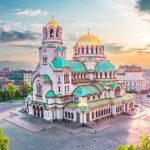
- Final stop 17: St. Alexander Nevski Cathedral
- What makes the private guide feel worth it
- Tickets, walking comfort, and timing tips for this Sofia route
- Should you book this private walking tour of Sofia?
- FAQ
- Is this a private tour?
- How long is the Sofia walking tour?
- What language is the tour offered in?
- Where does the tour start?
- Where does the tour end?
- Do I need to buy tickets for all stops?
- Is a mobile ticket included?
- Is the tour suitable for most people?
- Are tips included in the price?
- What’s the cancellation policy?
Key things to love about this Sofia private walk
- Private, English-speaking guide: you move as a group and can ask questions without feeling rushed
- A history-and-faith route: Orthodox, Catholic, Muslim, Jewish, and Roman-era stops in one loop
- Ancient Serdica under the modern center: a literal time jump you can walk to
- Government square storytelling: you see the civic buildings and learn how power shaped the city
- Museum stops with a practical bonus: including tasting the famed thermal waters
- Closes with Sofia’s headline church: St. Alexander Nevski Cathedral at the end of the walk
Sofia on foot: how this 2-hour loop actually helps
If Sofia feels a bit spread out when you’re on your own, a guided walking route makes the city click. This tour is built around a logical flow through the Old City core, then toward the major civic and religious landmarks in the center. The whole thing lasts about two hours, which is long enough to feel like you explored, but short enough that you can still enjoy the rest of your day independently.
I like that the tour gives you both big-picture orientation and specific details. You start at Orthodox Cathedral Saint Nedelia (in the Old City Center, pl. Sveta Nedelya 20) and end at ploshtad Sveti Aleksandar Nevski. That start-to-finish plan matters because you’re not crisscrossing the city to see the highlights.
And because it’s a private experience, you’re not stuck with the pacing of strangers. If your group wants photos, a slower read of the buildings, or more discussion at one stop, you have that flexibility. If you want to keep moving, you can do that too.
You can also read our reviews of more walking tours in Sofia
Start point: Orthodox Cathedral Saint Nedelia
You begin in the square area around Saint Nedelia, which sets the tone. The guide gives a short introduction, then the story turns to something dramatic: the tragic account of the biggest terrorist attack that ever took place in Bulgaria. It’s not just a name-check. You get the why behind the building and why this location is tied to memory and identity in Sofia.
Saint Nedelia to St. Sofia’s Monument: religion, law, and the stories behind names
This first stretch is where Sofia feels like a living timeline. You’re walking through places that represent faith, state power, and community identity—often with complicated chapters attached.
Stop 1: Orthodox Cathedral Saint Nedelia
The tour starts with a historical framing and then connects the cathedral to a major national tragedy. If your group likes context instead of facts dumped like a lecture, this is a good opener. Even if you’ve seen cathedrals before, you’ll understand why this one carries weight beyond its architecture.
One practical note: the admission ticket is not included for this stop, so check whether you want to go inside or focus on the exterior and the guide’s story.
The Palace of Justice: a key state symbol
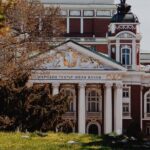
Next, you see the impressive Palace of Justice. This is the kind of building you might miss if you’re simply passing through. Here, you’ll get context on what it represents in Sofia’s public life—how a city broadcasts authority through monumental architecture.
You can also read our reviews of more city tours in Sofia
Sofia’s biggest Catholic church (and the small Catholic story)
You’ll also visit Sofia’s biggest Catholic church, paired with the story of the small Catholic community in Bulgaria. The clever move here is that the tour doesn’t treat religion as a simple checklist. It connects the big landmark to the smaller community reality behind it.
Again, admission may apply depending on your exact access during the walk, since tickets are flagged as not included at this stage.
Stop 2: Monument of Saint Sofia (Patron of the City)
The route then reaches the Monument of Saint Sofia, and the guide shares both the beauty of the statue and the controversy surrounding it. This is one of those stops that helps you understand how cities debate identity even when the artwork is front and center.
The good news: the monument stop has free admission.
Ancient Serdica, Ottoman-era corners, and Sofia’s working mosque
After the civic-religious intro, the tour shifts to Sofia’s layered past. You go from monumental religious sites into the older fabric of the city—some of it literally underfoot.
Stop 3: Ancient Serdica Archaeological Complex
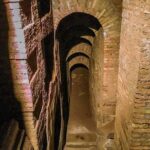
Below the modern-day center lies the ancient city of Serdica. You get to walk around impressive excavations and jump back in time in a very real way—no imagination required. This is a standout stop because it’s tangible: you’re seeing Sofia’s older bones.
Admission is free here, which is a nice value moment.
Stop 4: Church of St Petka of the Saddlers (Ottoman period)
Then comes a small church in the heart of Sofia dating back to the Ottoman period: Church of St Petka of the Saddlers. The contrast is interesting—this is a quieter stop after the bigger monuments, and it helps you notice details at walking speed.
For this one, admission is not included.
Stop 5: Banya Bashi Mosque (Sofia’s only functioning mosque)
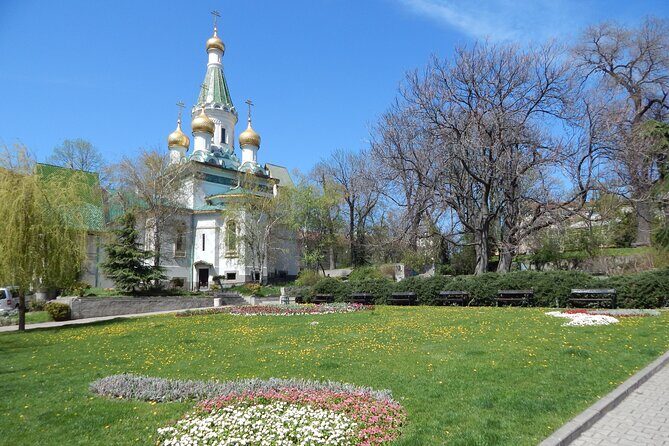
You reach Banya Bashi Mosque, described as Sofia’s only functioning mosque today. The guide explains the story of Sofia’s Bulgarian Muslim community, so you’re not just looking at an architectural form. You’re learning the human presence and continuity.
Admission is not included for this stop, so plan ahead if you want to enter.
Stop 6: Sofia Synagogue (big on the Balkan peninsula)
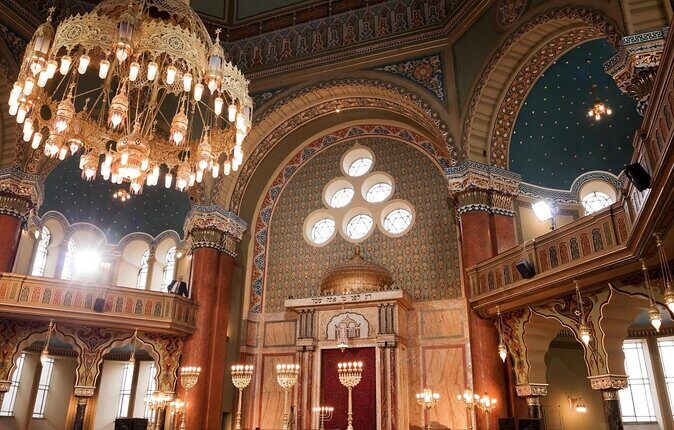
Next is Sofia Synagogue, noted as the biggest on the Balkan peninsula. The key value here is the story of the Bulgarian Jewish community—how a major religious building ties into a wider community history.
Admission is not included, so if your group is budget-focused, decide ahead of time whether you want to pay for interior access or keep it exterior-focused and let the guide’s context do the work.
Bathhouse-to-museum and older-than-you-think Roman Sofia
This middle section is where the tour leans into “how did the city change?” Sofia reuses buildings and resets their purpose. That’s one of the most interesting themes you can experience in a walking tour.
Stop 7: Regional History Museum of Sofia (Central Mineral Baths)
The Regional History Museum of Sofia is housed in the building that used to be Sofia’s Central Mineral Baths. That detail matters because it explains why the city has such a strong connection to thermal waters.
The tour includes a small extra perk: you’ll be able to taste the famous thermal waters during this stop. If you like food-and-drink moments on city walks, this is a good one because it’s part of the place, not a random detour.
Admission is marked as not included for this stop.
Stop 8: National Assembly of Bulgaria and the communist-era layout
You then move into government territory with National Assembly of Bulgaria. The guide ties the architecture to the post–World War II era: the Largo of Sofia was constructed by the new communist power, using ruins as a base. You’ll also see the Council of Ministers, the National Assembly, and the Presidency area.
Admission isn’t included here, which is typical for these exterior-focused civic stops. Expect a story-heavy segment more than a ticketed visit.
Stop 9: The Presidency building and the Bulgarian National Guards
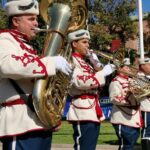
Next is the Presidency Building, with the Bulgarian National Guards right in front. The guide shares symbolism around this unusual job, and yes, you can even take a picture with them. That’s a rare moment where history meets a very practical “go ahead and get the shot.”
Admission is not included.
Stop 10: National Archeological Museum (once a mosque)
You’ll also see the National Archeological Museum at the Bulgarian Academy of Sciences. It was once a mosque and now it’s Sofia’s oldest museum. That continuity—religious space to museum—fits the overall theme of the walk: buildings get repurposed, but the layers remain.
Admission is not included.
Stop 11: Saint Georgi Rotunda (Roman-era survivor)
Finally in this Roman-focused pocket is Saint Georgi Rotunda Church, described as Sofia’s oldest building hidden in plain sight, dating to the Roman past. This is a good stop for your eyes. You’ll get a sense of how the city’s oldest roots survived beneath later eras.
Admission is not included.
Ivan Vazov Theatre, the youth-signal park, and the Unknown Soldier
Now you transition from older layers and government storytelling into cultural identity and public memory.
Stop 12: Ivan Vazov National Theater
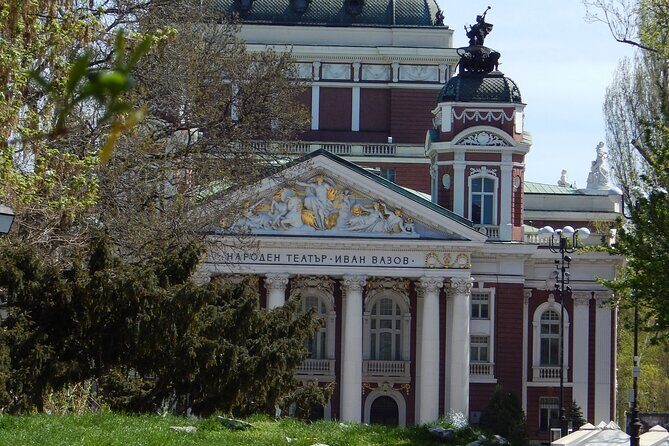
You’ll see Ivan Vazov National Theater, one of Sofia’s most beautiful buildings, dedicated to Bulgaria’s beloved author Ivan Vazov. Even if you’re not a theater person, the building helps you understand how Sofia honors its literature and arts through monumental design.
Admission is not included for this stop.
A favorite local park moment
You’ll pass through a park that locals like, where you can feel the youthful spirit of Sofia. It’s brief, but these small pauses matter on a walking tour—they let the city feel lived in, not just historical on a checklist.
Admission is not included.
Stop 15: Monument of the Unknown Soldier
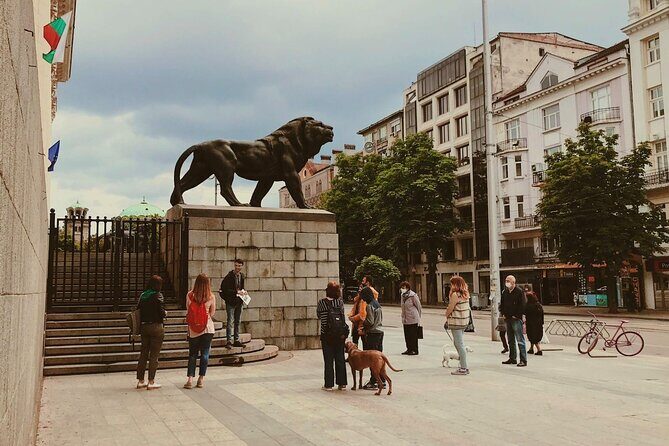
The tour then stops at the Monument of the Unknown Soldier, featuring a statue of a lion and a memorial complex dedicated to Bulgarian heroes. This is the kind of place where you’ll likely notice people photographing, because it’s instantly legible: heroism, sacrifice, and national memory in one strong composition.
Admission is not included.
Royal Palace grounds, St. Nikolas wishes, and St. Alexander Nevski to close
The final stretch is where you get the payoff: art, belief, and Sofia’s most famous church.
Stop 13: National Art Gallery (former Royal Palace) and yellow cobblestones
You’ll reach the National Art Gallery, housed in Bulgaria’s former Royal Palace, and you’ll also hear about the National Ethnographic museum there. The guide points out the story behind the yellow cobblestones surrounding it, which is a detail I love on city walks: it turns a pretty surface into an actual cultural reference.
Admission is not included for this stop.
Stop 14: Saint Nikolas Russian Church (the wishes stop)
Next is Saint Nikolas Russian Church, a stop described as a place that makes all your wishes come true. The guide shares how and why, so you understand the tradition instead of just hearing a cute line.
Admission is not included.
Stop 16: St. Sophia Church (how the city got its name)
Then you get to St. Sophia Church, with the story behind the church that gave the city its name. This is one of those “wait, that connects” moments that makes the earlier stops feel less random.
Admission is not included.
Final stop 17: St. Alexander Nevski Cathedral
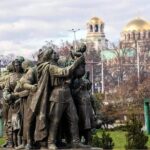
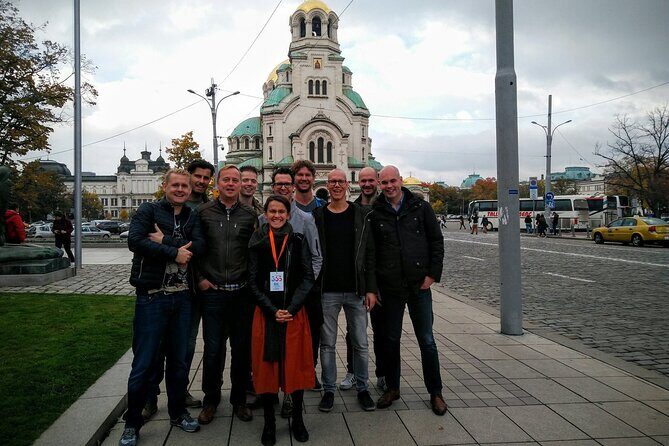
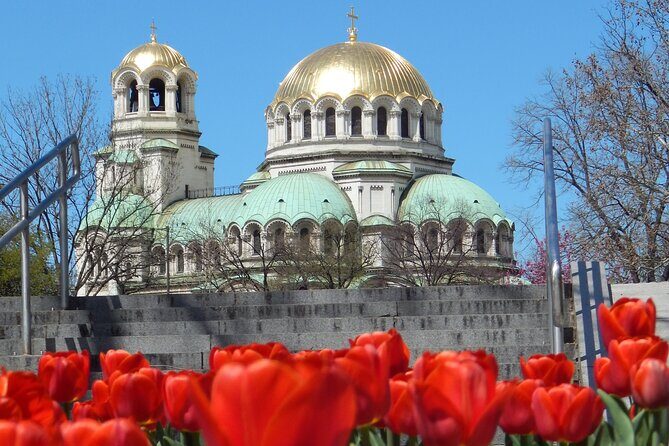
Your walk ends at St. Alexander Nevski Cathedral, described as Sofia’s most famous landmark. This is where you get the architecture and the layered history explained in a way that sticks—because you’ve already seen how the city’s past keeps reshaping itself.
Admission is not included, and the tour is designed so you finish right near ploshtad Sveti Aleksandar Nevski.
What makes the private guide feel worth it
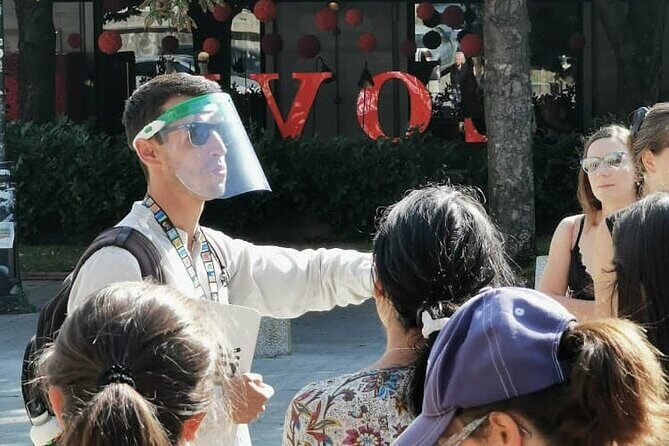
At $183.90 per person, this isn’t the cheapest way to see Sofia. But it can be good value depending on your group size and how you travel.
You’re paying for:
- a certified local tour guide
- a tight route that covers major religion, ancient remains, museums, and government symbolism
- personal attention in a private group format
In plain terms, if you’re traveling as two or more people, you can spread the cost and get a lot more from the time than you would with a self-guided walk plus a lot of reading. If you’re solo, it can still be worth it if you want the city context and don’t want to spend your vacation piecing together who built what and why.
Also, the pace and enthusiasm matter. Guides like Vasil and Mina are praised for staying upbeat and keeping focus on the human stories behind the buildings. That’s not fluff. It changes how you remember a place later.
Tickets, walking comfort, and timing tips for this Sofia route
The route is built as a walking day, with many stops timed at around 5–10 minutes each. That means your guide will keep the flow moving, and you’ll get quick, meaningful looks at a lot of corners.
Here’s the key practical detail: some admissions are free and some are not included. The free stops include the Monument of Saint Sofia and the Ancient Serdica Archaeological Complex. Other places along the walk—churches, synagogues/mosques (at least as entry access is flagged), and museums—are listed with admission not included. If you want to see interiors, it’s smart to budget a little.
For comfort, bring:
- comfortable shoes (this is a city-center foot route)
- water, especially if the day is warm
- a phone that can handle mobile ticketing
The meeting point is the Old City area at pl. Sveta Nedelya 20, and the walk ends near ploshtad Sveti Aleksandar Nevski.
Should you book this private walking tour of Sofia?
Book it if you want Sofia’s center to make sense in one go. The route’s main strength is variety: you see the city’s faith traditions, ancient ruins under the city, museum repurposing, and how government architecture reflects ideology. It’s also a strong pick if you appreciate guides who keep stories moving and answer questions with confidence.
Skip it (or adjust expectations) if your priority is only top-tier interiors with no extra entry fees. Several stops involve paid admissions, and the walk is structured so you spend only short windows at each place.
If you’re flexible, you can also benefit from the fact the tour offers free cancellation as long as you cancel at least 24 hours before the start. That makes it easier to plan without overthinking.
FAQ
Is this a private tour?
Yes. It’s a private city walking tour, so only your group participates.
How long is the Sofia walking tour?
It runs for about 2 hours.
What language is the tour offered in?
The tour is offered in English.
Where does the tour start?
The meeting point is Orthodox Cathedral Saint Nedelia, Old City Center, pl. Sveta Nedelya 20, 1000 Sofia.
Where does the tour end?
It ends at ploshtad Sveti Aleksandar Nevski in Sofia Center.
Do I need to buy tickets for all stops?
No. Some stops are free, like the Monument of Saint Sofia and Ancient Serdica. Several others list admission tickets as not included, so you may need to pay on-site if you enter.
Is a mobile ticket included?
Yes, the tour includes a mobile ticket.
Is the tour suitable for most people?
The information says most travelers can participate.
Are tips included in the price?
No. Tips and personal expenses are not included.
What’s the cancellation policy?
You can cancel for a full refund if you cancel at least 24 hours before the experience starts.