REVIEW · SOFIA
Private Sofia Guided Walking City Tour with Traditional Breakfast
Book on Viator →Operated by City Tour Ltd. · Bookable on Viator
Sofia clicks when you see it on foot. I like how this 3-hour walk strings together Sofia’s layers, from Roman-era Serdica to Ottoman and 20th-century Bulgaria, and I especially love the iconic church stops at Alexander Nevsky Cathedral and the Rotunda. I also like that breakfast is not an afterthought, with banitsa and ayran built into the schedule. One possible drawback: the timing can vary on the day, so if you hit transit delays, you may feel the food stop isn’t as unhurried as you’d hope.
The walk is led by a professional, English-speaking guide, and you’ll get a clear story at each place while still having time for photos. Guides like Diana, Ivan, Piotr, and Chimmy are named for being attentive and for taking their time with explanations, including contemporary Bulgaria in the mix. Wear comfortable shoes, because this is an active city-center route with lots of small stops and changes in streetscape.
In This Review
- Key things to know before you go
- Sofia in Three Hours: What This Walk Helps You Get
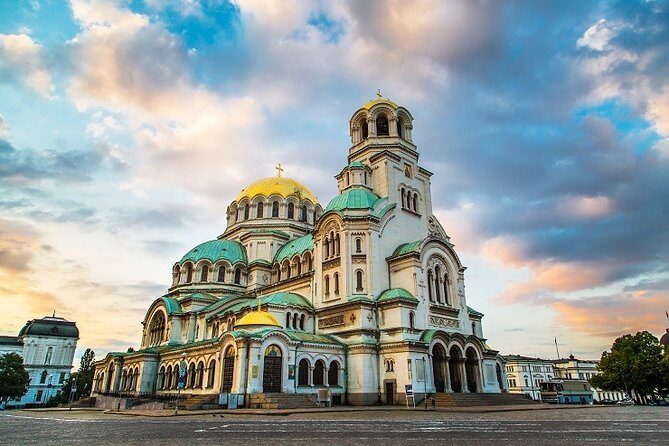
- Start at Alexander Nevsky Cathedral: A Giant Worth Your Attention
- Roman to Early Christian to Ottoman to Modern: How the Route Reads
- St. George Rotunda and St. Sofia Basilica: Ancient Churches, Big Context
- National Theatre Ivan Vazov, Parliament, and Civic Stops That Explain the City
- The Breakfast Break: Banitsa, Ayran, Kozunak, and Mekitsa
- Photos and Pacing: Getting the Shots Without Feeling Rushed
- English-Speaking Guide: What You’ll Want to Look For
- Private Tour, Possible Pairing, and Realistic Group Dynamics
- Timing, Transit, and Comfortable-Shoes Reality
- Where You Finish: Vitosha Boulevard as a Convenient Exit
- Value for Money: Guide + Entry + Breakfast
- Who Should Book This Tour (and Who Might Not)
- Should You Book? My Practical Take
- FAQ
- How long is the Sofia guided walking tour?
- Is the tour offered in English?
- Where does the tour start?
- Where does the tour end?
- What’s included in the breakfast?
- Which sights will we visit?
- Is this tour private?
- Is an admission ticket included?
- What should I wear?
- What happens if the weather is bad?
Key things to know before you go

- A tight 3-hour orientation of central Sofia: perfect for first-time visitors who want big landmarks without spending your whole day on transit.
- Alexander Nevsky + the Rotunda + St. Sofia: you get multiple eras of Sofia’s religious architecture in one route.
- Traditional breakfast on the move, not at the very end: you’ll try banitsa, ayran, plus more like kozunak and mekitsa.
- Guides who slow down for context: the best versions of this tour focus on stories, not just checklists.
- Pacing can depend on your day: public-transport disruptions or schedule compression may shorten the experience length.
- Private label, possible pairing: it’s set up as private for your group, though the operator may combine groups if another booking matches your slot.
Sofia in Three Hours: What This Walk Helps You Get
This tour is built for orientation. You’re not just looking at famous buildings; you’re learning how Sofia’s center grew, shifted, and rebranded itself across centuries. On foot, it feels less like museum time and more like walking through a living city.
The best part is the mix. You start with one of Bulgaria’s most recognizable symbols—Alexander Nevsky Cathedral—then you work your way into older Sofia, including churches tied to early Christianity and medieval Serdica. By the time you reach the central civic buildings, you understand why power sits where it does, and how the city’s architecture reflects changing eras.
And yes, breakfast matters here. Having your first real Bulgarian meal during the tour changes the vibe. It turns the morning from sightseeing-only into something warmer and more human. You’ll get banitsa (cheese pastry), ayran (salty yogurt drink), and you may also taste items like kozunak and mekitsa depending on the breakfast set that day.
You can also read our reviews of more walking tours in Sofia
Start at Alexander Nevsky Cathedral: A Giant Worth Your Attention
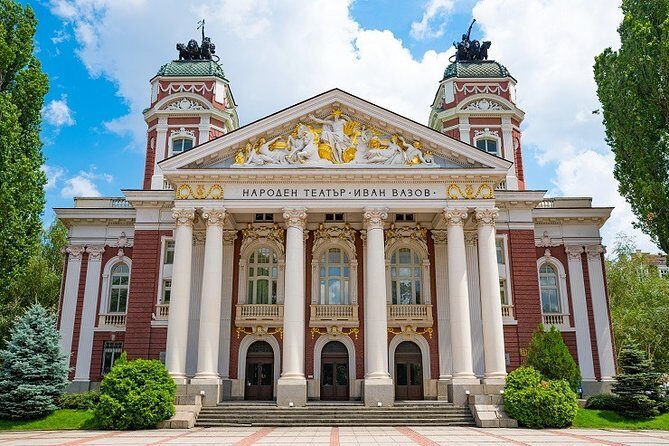
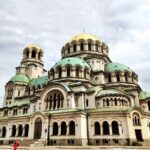
Your meeting point is Patriarchal Cathedral St. Alexander Nevsky in Sofia Center (Pl. “Sveti Aleksandar Nevski”). It’s a smart way to begin because the cathedral is an immediate visual anchor. From here, the rest of the route makes more sense, like you’ve found the city’s main spine.
Expect your guide to frame the cathedral quickly, then connect it to broader Sofia history. This isn’t just a quick look-and-go. The tour is designed to explain why this cathedral is such a big deal in national identity, and how it fits into Sofia’s longer story.
Practical tip: since you’re meeting right at the cathedral area, plan to arrive a few minutes early so you’re not rushing your meeting point—especially if you’re coming in on public transport.
Roman to Early Christian to Ottoman to Modern: How the Route Reads
The core of the experience is a walking circuit through central Sofia’s landmark cluster. The guide’s job is to translate what you’re seeing into time periods, so you don’t leave with a bag of monuments but no connection.
Here’s what the route is designed to help you recognize:
- Roman and early Christian Sofia in the form of old religious foundations and surviving heritage
- Ottoman-era influence in the way the city’s center evolved under different rule
- Bulgarian and Soviet-era presence in civic architecture and administrative spaces
- 20th-century identity reflected in modern public buildings
That’s the real value. You start to see the city’s center as a timeline you can walk through, not just a set of stops you check off.
St. George Rotunda and St. Sofia Basilica: Ancient Churches, Big Context
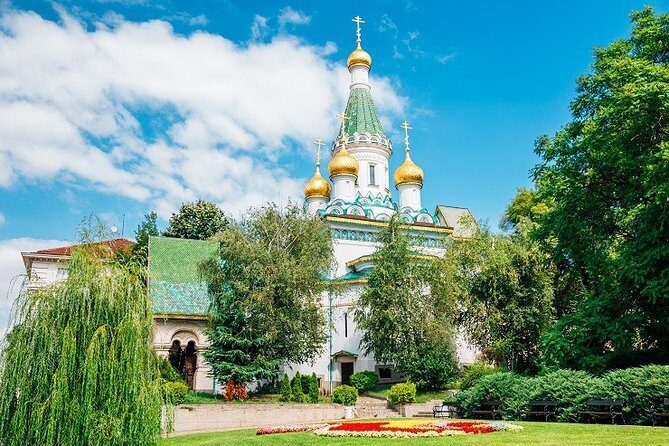
Two of the most meaningful stops are the churches tied to the deep past.
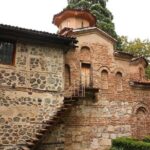
First up is Saint George Rotunda, often called the oldest church in town and dating back to the 4th century. In a place like Sofia, early Christian sites can feel like they’re hiding in plain sight, so having a guide who points out what to look for helps a lot. You’re not only seeing a building; you’re getting the significance of why that survival matters.
Next is Saint Sofia Basilica, linked with medieval Serdica and built in the 6th century. The tour uses this stop to show how religious architecture becomes a marker of continuity—even when political eras change around it.
One caution: these churches are works of history and often involve tight, slower viewing. If you’re the kind of traveler who always wants to keep moving fast, you might feel this is more “pause and learn” than “power walk.” But if you like stories that make architecture meaningful, these are standout moments.
National Theatre Ivan Vazov, Parliament, and Civic Stops That Explain the City
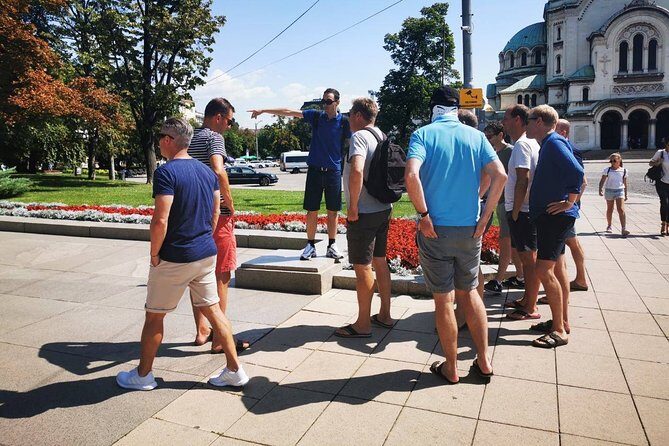
After the older church layer, the tour shifts into Sofia’s civic and cultural heart. You’ll pass major landmarks such as:
- Parliament
- National Theatre “Ivan Vazov,” described as one of the most beautiful buildings in town
- The former Royal Palace
- The administration of the President
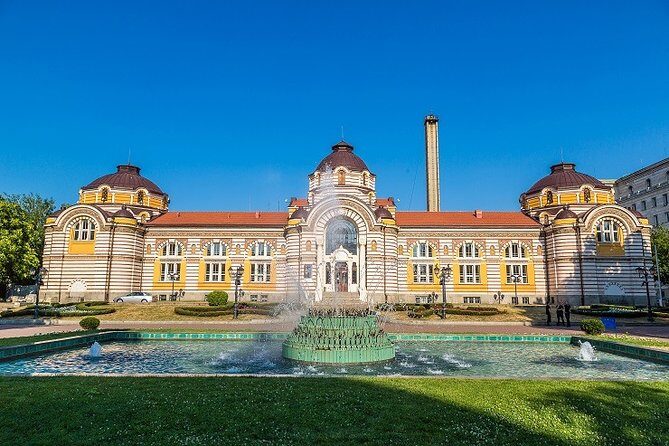
- Mineral springs
This is where the tour gets useful even if you’re not a history buff. You’ll understand how a city plans its “public spaces.” The timing works like this: after seeing sacred heritage, you then see how the center organizes authority and culture.
You’ll also get a sense of what Soviet-era and national Bulgarian identity look like on the street. The value isn’t that every building is a masterpiece you’ll remember for life. The value is that your brain starts to map where power, art, and history sit in the same neighborhood.
You can also read our reviews of more guided tours in Sofia
The Breakfast Break: Banitsa, Ayran, Kozunak, and Mekitsa
This is the part that makes the tour feel local. You’re tasting a typical Bulgarian breakfast rather than grabbing something generic and expensive nearby.
The breakfast you’ll be offered includes:
- Banitsa (cheese pastry made from dough)
- Ayran (salty yogurt drink)
- A sweet item (the tour lists a desert)
- Plus items like kozunak (sweet bread) and mekitsa (similar to fried dough snacks)
What makes this a good move for most people: it’s structured right into the itinerary. You’re less likely to arrive hungry, and you’re less likely to spend your morning hunting for a “best local breakfast” that may not be convenient.
Small practical note: breakfast timing can depend on how the day is going. If you’re running late due to transit delays or the day compresses, you may find you finish eating and continue quickly. Still, having it included is a major value add compared with a standard “just walk and look” tour.
Photos and Pacing: Getting the Shots Without Feeling Rushed
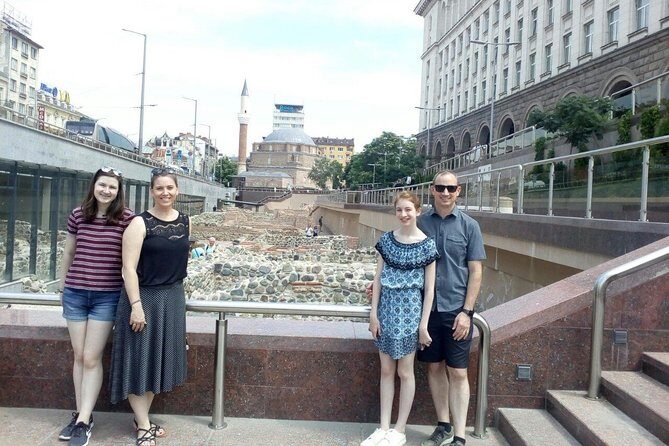
A good guided walk should do two things at once: keep you oriented and still let you stop. The setup here aims for exactly that. You’ll have time to take photos at iconic spots, without the guide constantly rushing to the next corner.
That said, pacing is tied to real-world variables. One day may run close to the intended timeline; another day may shorten slightly if the schedule gets compressed. There’s at least one instance where the tour ran shorter than the advertised duration and the full breakfast component felt missing or incomplete. Your best bet is to build a little buffer into the rest of your day.
English-Speaking Guide: What You’ll Want to Look For
This tour is offered in English and led by a professional live guide. You’re paying for interpretation: the guide connects the buildings to stories, and that connection turns “pretty views” into something you can repeat later.
What I look for (and what you should look for) during this style of tour:
- Clear explanations at each stop, not just names
- Enough time at major landmarks so you understand why they matter
- Comfort answering questions as you walk
Based on the types of guides associated with this experience—people named Diana, Ivan, Piotr, and Chimmy—you can reasonably expect a thoughtful approach rather than a fast script read.
Private Tour, Possible Pairing, and Realistic Group Dynamics
The tour is described as private, meaning your group is supposed to be the only group on the tour. But there’s also a note that you may be put together with another group if another booking matches the same date and time.
Here’s how to interpret that as a traveler:
- Your group should still stay together through the tour
- The guide experience can still feel private in conversation style
- In some cases, the group size might be effectively larger than you’d expect
If you’re sensitive to crowding, ask about group size at booking (or right before start). This helps you plan for photo moments and the breakfast break.
Timing, Transit, and Comfortable-Shoes Reality
The tour runs about 3 hours and is designed as a center-walk route. You’ll be walking, stopping, and changing pace a lot. That’s why comfortable walking shoes are not optional here.
Also keep in mind:
- The meeting point is near public transportation
- You’ll start at Alexander Nevsky Cathedral area and end on Vitosha Boulevard
Plan your next activity with a little slack. If your morning is packed, you may feel stress if the route compresses slightly.
Weather matters too. The experience requires good weather, and if conditions are poor, you’ll be offered another date or a full refund. That’s important in Sofia because winter mornings or rainy days can change walking comfort fast.
Where You Finish: Vitosha Boulevard as a Convenient Exit
Ending on Vitosha Boulevard is a practical win. It’s an easy place to keep moving after the tour ends—whether you want coffee, a museum, shopping, or just a long walk.
Even if you don’t have a big plan after breakfast and landmarks, finishing downtown gives you options right away.
Value for Money: Guide + Entry + Breakfast
No price is listed in the info here, so I can’t tell you if it’s cheap or pricey compared with every other Sofia option. But I can tell you what’s bundled into the value.
You’re getting:
- A professional live guide
- A city-center walking route through major landmarks
- Admission ticket included
- A traditional breakfast set (banitsa, ayran, plus sweet items)
That combination usually means you’re paying for convenience and interpretation. Without this structure, you’d spend time figuring out the order, hunting for a breakfast spot that fits your schedule, and paying entry fees separately. Here, at least in theory, it’s one package and one morning plan.
Who Should Book This Tour (and Who Might Not)
This tour is a great fit if:
- You want a first-time orientation to Sofia’s center
- You like church architecture and want the timeline explained
- You care about eating local food in a guided, no-stress way
- You prefer walking over riding around in a car for short distances
It may be less ideal if:
- You dislike walking for a full city-center morning
- You’re extremely strict about the exact duration and want zero flexibility
- You’re booking during a period when transit disruptions are common (because delays can affect the rhythm of the schedule)
If your main goal is only one or two buildings, you might want a shorter targeted plan. But if your goal is understanding Sofia quickly, this tour does that job.
Should You Book? My Practical Take
Book it if you want a single morning that checks three boxes at once: landmarks, context, and breakfast. The most praised parts of the experience are the guide quality, the unhurried storytelling, and the fact that breakfast is genuinely part of the tour rather than an optional detour.
Consider skipping or choosing a different option if you’re worried about schedule reliability. The route is weather-dependent and can run shorter on disruptive days, which affects how complete the breakfast stop feels.
FAQ
How long is the Sofia guided walking tour?
It’s listed at about 3 hours.
Is the tour offered in English?
Yes, the tour is offered in English.
Where does the tour start?
The tour starts at Patriarchal Cathedral St. Alexander Nevsky in Sofia Center, Pl. “Sveti Aleksandar Nevski”, 1000 Sofia.
Where does the tour end?
It ends at Vitosha Boulevard in Sofia Center, Bul. “Vitosha”.
What’s included in the breakfast?
The traditional Bulgarian breakfast includes banitsa and ayran, plus a dessert. The tour also mentions kozunak and mekitsa.
Which sights will we visit?
You’ll explore major central landmarks including Alexander Nevsky Cathedral, Saint George Rotunda, and Saint Sofia Basilica, plus stops such as the Parliament, National Theatre Ivan Vazov, the former Royal Palace, the President’s administration, and mineral springs.
Is this tour private?
It’s described as a private activity, meaning only your group should participate. There is also a note that you may be put together with another group if another booking matches the same date and time.
Is an admission ticket included?
Yes, an admission ticket is included.
What should I wear?
Wear comfortable walking shoes.
What happens if the weather is bad?
The experience requires good weather. If it’s canceled due to poor weather, you’ll be offered a different date or a full refund.