REVIEW · PLOVDIV
Kazanlak-Rose Valley-Valley of the Thracian Kings – private tour from Plovdiv
Book on Viator →Operated by PLOVDIV TRIPS · Bookable on Viator
Roses plus tombs, in one long day. This private Kazanlak–Rose Valley–Valley of the Thracian Kings trip turns a classic Bulgarian day into a smooth story, with hotel pickup that keeps you from fiddling with transport. I especially like the Museum of Roses stop, because it makes the rose industry feel real, not like a souvenir pitch.
One thing to plan for: entrance fees aren’t included (budget about 9 EUR per person), and the most famous Kazanlak tomb frescoes are preserved off-limits, so you visit a replica instead of the original.
In This Review
- Key highlights worth the trip
- From Plovdiv hotel pickup to a 7.5-hour Thracian day
- Museum of Roses: where the rose season turns into history
- Rose Valley timing: May roses, June lavender, sunflower late June
- Iskra Historical Museum: the Kazanlak region in one guided thread
- Thracian Tomb of Kazanlak (replica): UNESCO frescoes without the closed original
- Tomb of Seuthes III (Goliama Kosmatka): architecture and the gold story
- Shipka Memorial Church: Russo-Turkish War memory in stone
- Guides make the day: Kamen, Carmen, and Rusi are good examples
- What you’ll pay for, and what you won’t
- Pacing and who this tour suits best
- Should you book this private Kazanlak and Rose Valley day?
- FAQ
- What time does the tour start?
- Where will pickup happen?
- Is this a private tour?
- How long is the tour?
- Is the tour in English?
- Are entrance fees included?
- Will I visit the original Thracian Tomb of Kazanlak?
- What flowers should I expect, and when?
- Is lunch included?
- What if my plans change?
Key highlights worth the trip
- Door-to-door Plovdiv pickup and drop-off: you start and end with less hassle.
- Museum of Roses: short, focused, and tied to how roses are picked and turned into products.
- Valley of the Thracian Kings tomb replicas and treasures: UNESCO-level frescoes plus the story of gold finds.
- Shipka Memorial Church: a Russian Orthodox church with a clear link to the 1877–1878 Russo-Turkish War.
- Smart timing for spring blooms: roses generally peak from May 1 to June 15.
- Private group setting in English: only your group goes, with live commentary in English.
From Plovdiv hotel pickup to a 7.5-hour Thracian day
This is the kind of day trip you’ll appreciate most if you hate wasting time on schedules and waiting. Pickup starts at 9:00 am from any hotel or location in Plovdiv, and you’re dropped back at your hotel at the end. The total time is around 7 hours 30 minutes, with each major stop kept tight (often 25–45 minutes), so you actually cover the rose sites and the Thracian tombs without turning the day into a marathon.
You’re also not just “shuttled.” There’s live commentary on board, plus a local guide and professional guide listed as part of the experience. In plain terms: you get explanations while you ride, so you don’t have to guess what you’re looking at once you arrive.
Because it’s private, it’s easier to ask questions and adjust the pace for your group. That said, private tours still have fixed stop times, so if you love long museum wandering, you may feel a bit time-pressured.
You can also read our reviews of more private tours in Plovdiv


Museum of Roses: where the rose season turns into history
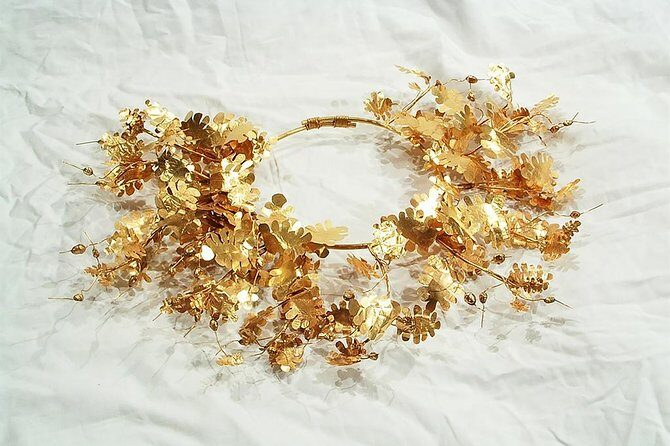
The day starts with the Museum of Roses, and it’s an easy win if you want context, not just photos. This museum is built around Bulgaria’s rose-picking and rose-production—how the process works, why it matters locally, and what products come from it.
The visit is about 30 minutes, which is perfect for a first stop. You get the basics, then you can connect what you learned to the real rose landscapes later. If you come in thinking “this will be pretty,” you’ll leave understanding why the rose calendar drives a local way of life.
One practical tip: if you’re visiting during peak season, you’ll notice how quickly rose-themed products and workshops start showing up around the region. Even if you’re not buying anything, the museum gives you a way to interpret what you see next—especially when your tour moves from “industry” to “landscape” to “ancient tombs” in the same day.
Rose Valley timing: May roses, June lavender, sunflower late June
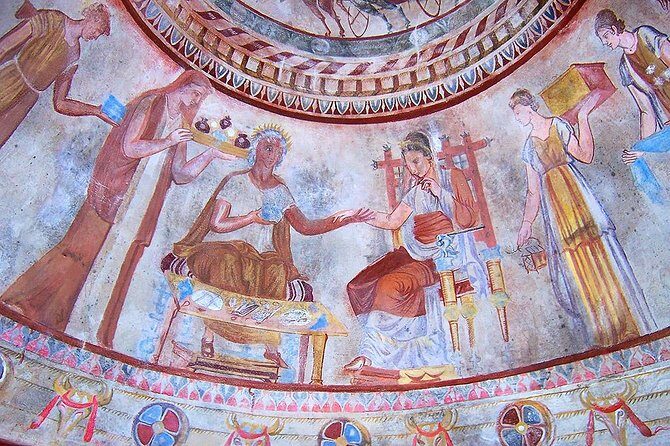
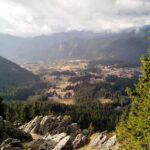
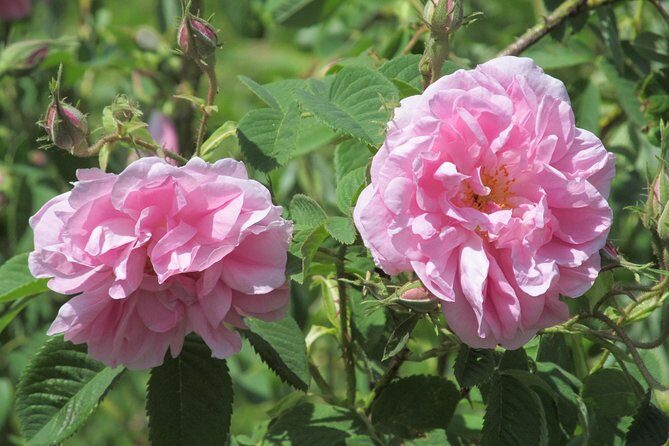
The Rose Valley is the emotional center of this tour, and timing matters here. The bloom varies slightly year to year, but it generally runs between May 1 and June 15. If you’re aiming for that classic rose moment, plan your trip for late spring.
Lavender is in bloom in June, and sunflowers start around mid-June and can last until the end of July. So even outside the rose peak, the valley still has a reason to exist on your itinerary—it just shifts the visual focus.
If you’re a photo person, I’d treat this like a “plan for golden light” situation rather than only a “plan for flowers” situation. Early in the day often means more comfortable temperatures and less waiting around in outdoor spots.
Iskra Historical Museum: the Kazanlak region in one guided thread
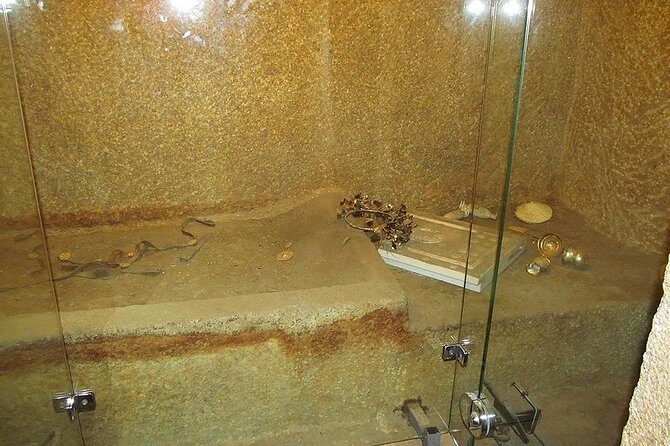
After roses, you shift into Thracian context at the Iskra Historical Museum, with about 45 minutes here. This museum is organized to protect, examine, and popularize the historical heritage of the Kazanlak region—including connections to the Thracian tombs and the treasures tied to rulers from the Valley of the Thracian Kings.
This stop matters because the tombs later can feel like “big rooms with art” if you go in cold. The museum helps you frame what those tombs represent: power, ritual, and the way the Thracians expressed status through architecture and objects.
If you’re short on museum tolerance, the good news is that the time window is realistic. You’re not stuck for hours. If you like learning, it’s long enough to ask questions and get the “why this matters” part that makes the tomb frescoes hit harder.
Thracian Tomb of Kazanlak (replica): UNESCO frescoes without the closed original
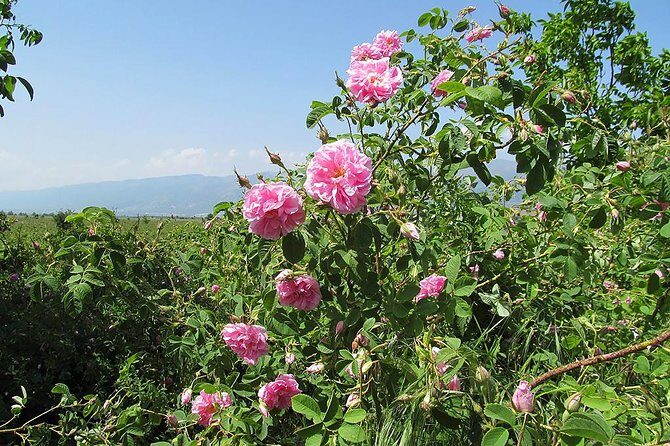
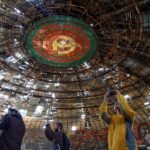
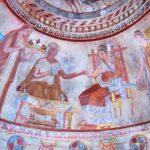
One of the most important details in this experience is that the original Kazanlak tomb is closed to tourists to preserve the precious frescoes. The tour visits a replica nearby, so you still get the core viewing experience without damaging anything delicate.
The Thracian Tomb of Kazanlak is described as Bulgaria’s first UNESCO World Cultural Heritage site, and the frescoes are dated to the IV century BC. Even with a replica, the impact is the point: the art style and the design language are the reason this site is famous.
The visit is about 30 minutes, which is enough time to take in the frescoes and understand what you’re seeing with a guide’s context. If you’re the type who tries to read every label on your own, you’ll still want the guided explanation here—it helps you look at the artwork as a system, not as random decoration.
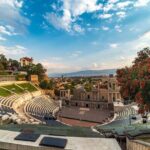


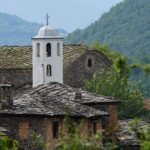
Tomb of Seuthes III (Goliama Kosmatka): architecture and the gold story
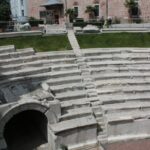
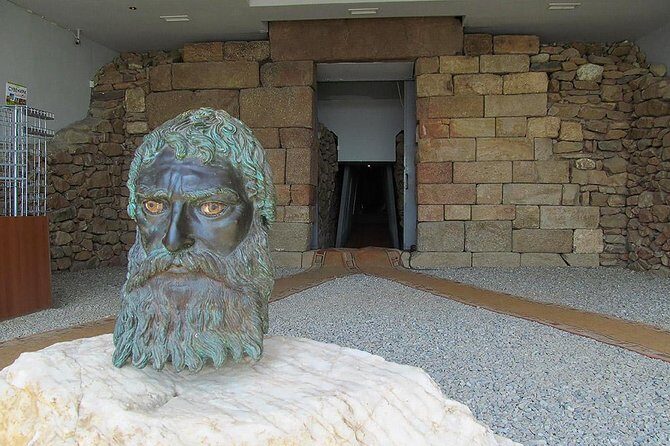
Next comes the Tomb of Seuthes III, also connected to Goliama Kosmatka. This site is described as an impressive Thracian temple from the V century BC, later converted into Seuthes III’s tomb after the king died.
You get about 25 minutes here, and the highlight is the find story. Archaeologists reportedly found around 20 amazing gold objects inside—items linked to the king. That “gold objects” detail matters because it turns the tomb from an architectural stop into a narrative about wealth, belief, and authority.
The practical reality: with only 25 minutes, you won’t have time to treat this like a slow, contemplative pilgrimage. But that’s also the benefit. The tour uses your time where it counts—key visuals and the explanation of why they were placed this way.
If you want to make the most of this stop, listen closely during the guide’s portion, then use your remaining time to look again. A tomb photograph can look flat; the guided story gives it depth.
Shipka Memorial Church: Russo-Turkish War memory in stone
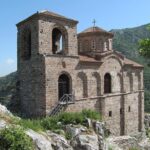
After Thracian tombs, you pivot to the Shipka Memorial Church, built between 1885 and 1902 at the foothills of the Balkan Range. It’s an Orthodox church dedicated to the Russian, Ukrainian, and Bulgarian soldiers who died during the Russo–Turkish War (1877–1878)—the liberation of Bulgaria.
This stop takes about 30 minutes, and it offers a different kind of history. Where Thracian sites focus on ancient power and art, Shipka is about national memory and who’s honored. It’s also a useful contrast day: you leave with both deep-time history and modern-era identity.
One consideration: if your group mostly came for roses and Thracian tombs, this church can feel like a tonal shift. Still, it’s the kind of stop that helps you understand the broader Bulgarian story, not just the ancient part.
Guides make the day: Kamen, Carmen, and Rusi are good examples
This tour is built around guides, and the best version of this day happens when your guide can connect dots fast and keep the group comfortable. In the feedback you can spot recurring names—Kamen, Carmen, and Rusi—with people praising how patient and friendly the explanations feel.
If you’re booking as an English speaker, you’ll also want to know this tour is offered in English, and the vehicle has live commentary. That combo is a big deal on a longer day trip, because you get meaning during the drive, not only once you reach each site.
Also, one review noted the guide recommended a Bulgarian restaurant for lunch. That’s the kind of practical advice that can make the day smoother, especially if you don’t want to hunt for food after a long drive.
What you’ll pay for, and what you won’t
The price is listed at $144.18 per person, and you’re paying for a private day with hotel pickup/drop-off, guides, and transportation (including fuel surcharge and local taxes). Entrance costs are the main extra item: plan about 9 EUR per person for site entry.
That makes the pricing feel more reasonable than it first looks. The tour isn’t just driving you to a single spot—it layers multiple major stops: a rose museum, a regional history museum, UNESCO-level tomb viewing (replica), Seuthes III’s tomb site, and Shipka Memorial Church. For a private format, you’re essentially buying time and guidance, not just transit.
Food and drinks are not included. You’ll want to either eat before the tour or plan for a lunch suggestion (your guide may point you toward a good option). If you’re traveling in peak bloom season, don’t count on casual restaurants being your best choice at the last minute—bring the plan with you.
Pacing and who this tour suits best
With stops timed at roughly 25–45 minutes each, this is a structured day. It’s ideal if you want a “greatest hits” route without the stress of scheduling between sites. It’s also a solid fit if you like history but don’t want to spend half your vacation inside museums only to miss the views.
If your style is slow travel—long meals, extra time for photos, reading everything at your own pace—you might find the day a bit compressed. That’s not a deal-breaker, but it is worth knowing up front.
This tour also works well in a mixed group. Roses appeal to people who want color and culture, while the tombs and artifacts grab anyone who loves archaeology and ancient art. Shipka adds a “real world” historical layer for those who like the war-and-memory side of history too.
Should you book this private Kazanlak and Rose Valley day?
If you’re planning to base yourself around Plovdiv and you want one day that covers both Bulgarian rose culture and major Thracian sites, I’d say this is a strong pick. The private format with hotel pickup and drop-off is a big convenience win, and the replica-tomb setup still gives you the UNESCO fresco experience without preservation risk.
Book it if:
- you want a guided, story-led day rather than self-driving,
- you’re visiting during May 1 to June 15 (or you’re flexible with flowers later in June),
- you like history that connects art, power, and place.
Skip or reconsider if:
- you dislike “time-boxed” museum visits,
- your group is only interested in the roses and not the Thracian and Russo-Turkish layers.
FAQ
What time does the tour start?
The tour starts at 9:00 am.
Where will pickup happen?
Pickup is offered from any hotel (or location) within Plovdiv city. You provide your pickup location when booking.
Is this a private tour?
Yes. Only your group participates.
How long is the tour?
It runs about 7 hours 30 minutes (approx.).
Is the tour in English?
Yes, it’s offered in English.
Are entrance fees included?
No. Entrance fees to the tourist sites are not included, with the listed extra cost of about 9 EUR per person.
Will I visit the original Thracian Tomb of Kazanlak?
No. The original tomb is closed for preservation, and you visit a replica nearby.
What flowers should I expect, and when?
Roses generally bloom between May 1 and June 15. Lavender is in bloom in June, and sunflowers start mid-June through the end of July.
Is lunch included?
No. Food and drinks are not included.
What if my plans change?
You can cancel for a full refund up to 24 hours before the experience starts.