REVIEW · SOFIA
Rila Monastery & Thermae Full-Day Tour from Sofia
Book on Viator →Operated by V Travel Ltd. · Bookable on Viator
Rila feels like a whole other world. This full-day tour pairs the UNESCO Rila Monastery with hot mineral pools at Aqua Club Kotvata, so you get culture and real relaxation without planning a thing. You’ll ride out of Sofia, learn how this Eastern Orthodox complex survived raids and rebuilding, then unwind in warm water afterward.
I love that the monastery visit is built around your time there. You get guided context plus a smartphone audio guide, and you still have room to walk at your own pace. I also like how practical the day is: air-conditioned transport, an English-speaking guide, and a clear split between sightseeing and spa time.
One thing to consider: the thermal spa ticket isn’t included, and entrance fees vary. The pools are warm, which is amazing for most people, but it’s not the best choice if you have health or heart concerns.
In This Review
- Key highlights worth knowing before you go
- What $43.25 really means for your day in Rila
- The ride out of Sofia: long hours, big mountain mood
- Rila Monastery: the UNESCO complex and the dress code that catches people
- A quiet break in Rila National Park: Musala and the high-mountain setting
- Aqua Club Kotvata thermal pools: how to enjoy mineral water without getting hassled
- Pacing and group size: why this day works for most people
- What to pack and how to dress so nothing slows you down
- Who this tour suits best (and who should think twice)
- Should you book this Rila Monastery & Thermae full-day tour from Sofia?
- FAQ
- How long is the Rila Monastery & Thermae tour from Sofia?
- Is the Rila Monastery admission included?
- Is the thermal spa admission included?
- What languages do you get for the tour?
- Do I need to dress a certain way for the monastery?
- Is lunch included?
- Is the spa ticket something I can pay with card?
- Is it cancelled easily or dependent on weather?
Key highlights worth knowing before you go
- Rila Monastery UNESCO site: Major Bulgarian National Revival architecture and a story that reaches back to the 10th century
- Time to actually see and breathe: Enough sightseeing for photos, prayer-house details, and a walk through the complex
- Audio guide on your phone: Use earphones to follow along in multiple languages
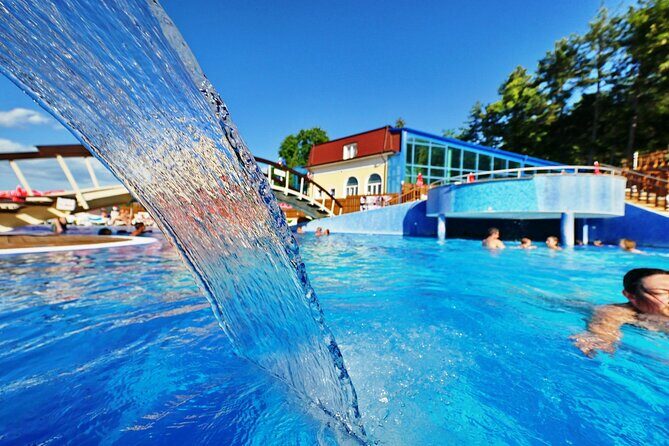
- Aqua Club Kotvata mineral pools: Indoor and outdoor pools with different temperatures
- Small group size: Up to 18 travelers keeps the day moving but not chaotic
What $43.25 really means for your day in Rila
On paper, $43.25 sounds like a bargain for a day trip. And compared with doing this solo, it is good value because you’re paying for transport, an English-speaking driver/guide, and a guided visit to the monastery area.
Here’s the catch: you’ll still budget for the big add-on—the spa entrance. The thermal complex fee typically runs €15 to €25 per person, and it’s not included. Lunch is also on you. That doesn’t make the tour bad. It just helps you plan the right total cost.
So what are you really buying? A guided day that removes the stress of logistics, gives you context at the monastery, and then hands you a relaxing block of time in mineral water. If you want both parts, the tour price is what makes it easy.
A few more Sofia tours and experiences worth a look
The ride out of Sofia: long hours, big mountain mood
You start at 9:00 am from the Serdika Meeting Point (V Travel Day Tours Departures) in Sofia Center at bul. Knyaginya Maria Luiza 2. Expect a full day—around 9 hours on the schedule—so this is not a quick half-day sightseeing hit.
Between Sofia and the Rila area, the drive is a real part of the experience. You’ll leave the city behind and head toward Bulgaria’s highest mountain country. Even if the weather starts gray, it often feels like the day is changing gear as you climb. One practical tip: bring a water bottle, and dress in layers. Morning can be cooler than you expect, and you’ll want to stay comfortable on the bus.
Rila Monastery: the UNESCO complex and the dress code that catches people
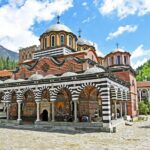
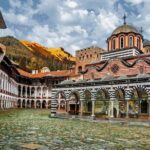
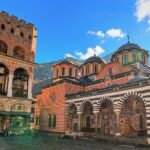
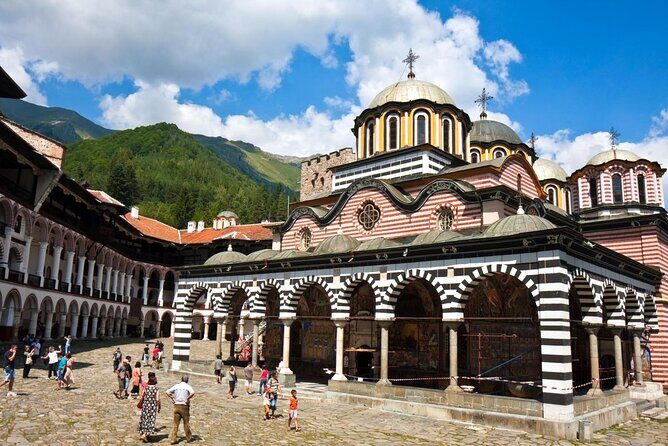
Rila Monastery is the big one. It’s Bulgaria’s best-known Eastern Orthodox monastery and one of the most important cultural and architectural monuments in the country. The complex as you see it today was built in the 14th century, though earlier religious activity goes further back (the monastery is linked to the 10th century).
What makes the place special is how much history you can read in the buildings. You’re looking at the Tower of Hrelyu (dating 1334–1335) and a small church close by (from 1343). Then comes the harder part of the story: Ottoman raids hit toward the end of the 14th century, and the monastery was destroyed in the mid-15th century—followed by rebuilding and long survival through changing times.
For your visit, the day is set up so you’re not just standing around. You get a guided walkthrough and time to explore, which matters because details at Rila reward slow looking: stonework, fresco areas around the churches, and the layout of the complex.
A small rule that matters a lot: during the monastery visit, knees and shoulders need to be covered. Have a light scarf or something you can throw over your shoulders, especially if you travel in summer. It’s the kind of thing that can ruin your rhythm if you forget.
Also, check how you’ll listen. The tour includes an online audio-guide in multiple languages. You’ll use your smartphone with earphones, so bring them. It’s one of those add-ons that quietly makes your visit feel clearer and more personal.
A quiet break in Rila National Park: Musala and the high-mountain setting
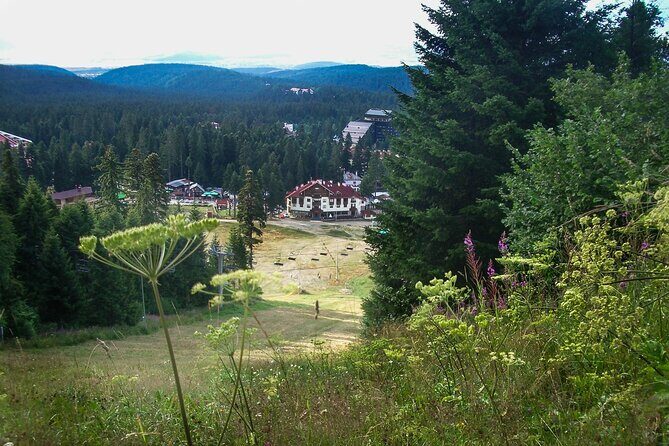
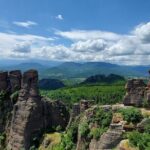
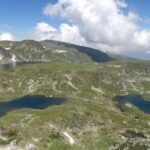
Between the monastery and the spa time, the day also includes a stop connected to Rila National Park. This park is known for being the highest and most scenic part of the Balkan Peninsula, with Musala (2925 m) as the peak most people picture.
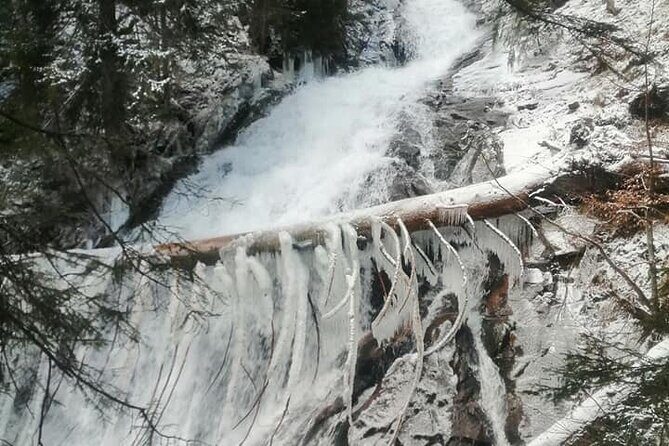
You won’t spend all day hiking, but the stop gives you a chance to reset your eyes. Think forests, rivers, waterfalls, and meadow scenery. Even if you only get a short pause, it helps the monastery feel grounded in its real setting—these aren’t ruins sitting in a vacuum. It’s a spiritual site in a dramatic landscape.
If weather is bad, the park stop can feel more “look and move” than “wander.” Still, it’s one of the best ways to make the whole day feel like more than two separate activities stacked together.
Aqua Club Kotvata thermal pools: how to enjoy mineral water without getting hassled
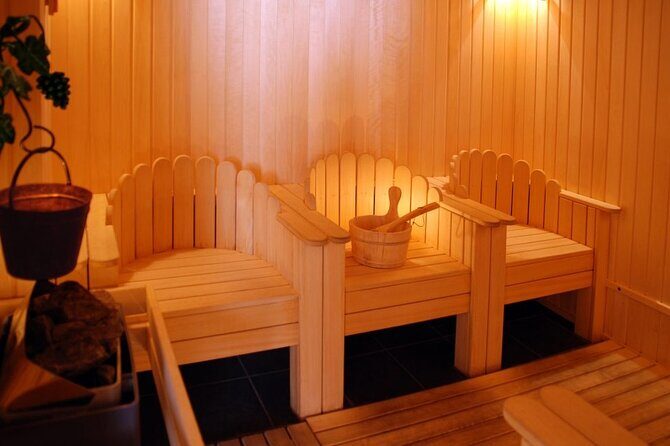
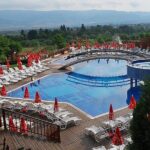
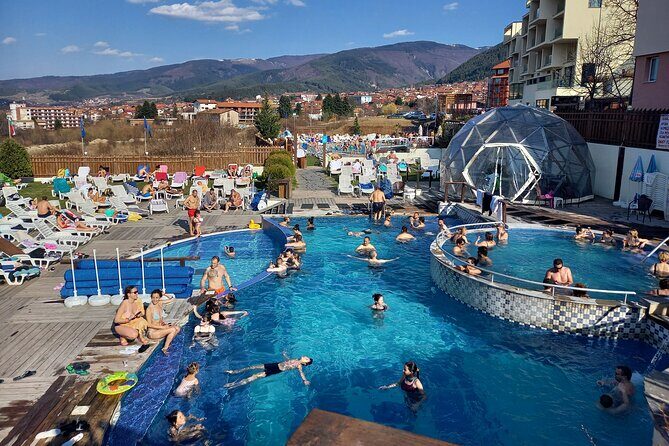
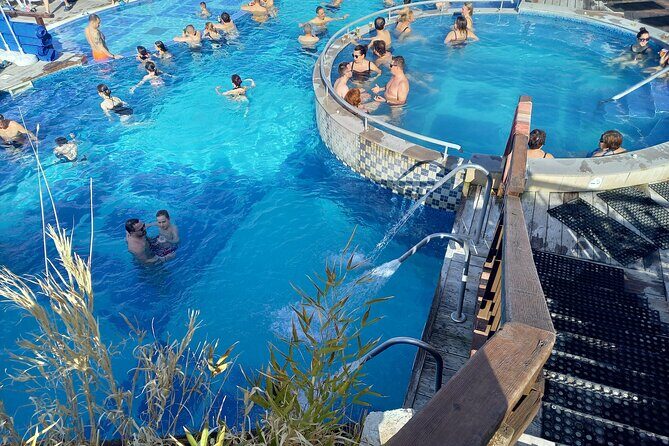
After the monastery, you’re sent to Aqua Club Kotvata, a mineral spa complex with indoor and outdoor pools. The core benefit here is simple: warm mineral water is a fast reset after walking, especially if your legs are tired from the monastery paths.
The pools come in different temperatures. Indoor pools tend to be warmer and can be a better fit for colder weather. Outdoor pools are great when the day is mild, and they can still work in winter because they’re designed to let people keep enjoying the water.
Your biggest planning point: the spa fee is separate, and it’s not included. Budget for it, and plan to purchase the entrance onsite. One practical tip from real on-the-ground experience: the spa ticket can be cash-only, and you may need local currency for a refundable deposit for the entry key. Expect small add-ons too, like towel, locker, or robe options.
Now let’s talk comfort and logistics, because spa time is only fun if you manage your basics:
- Bring flip-flops (you’ll want them for moving between pools and shower areas).
- Bring your swimsuit.
- If you don’t want to rely on whatever’s available, pack your towel and shower items.
- Keep a small pouch with your essentials so you’re not scrambling when locker areas are full.
One more consideration: the spa can be crowded. That doesn’t mean it’s bad. It just means you’ll want to treat it like a popular place, not a private retreat.

Pacing and group size: why this day works for most people
This tour runs with a maximum of 18 travelers, which is a sweet spot for a day like this. Big enough to feel social. Small enough that you can actually hear the guide and move without long waiting lines at every step.
The structure helps too. You get the monastery story, then a later spa block where you’re mostly there to relax. There’s also free time for walking, plus time for lunch on your own (lunch expense is not included). Some people treat lunch as a sit-down meal; others use it as a quick reset and keep energy for the pools.
The monastery timing tends to be around an hour for the guided portion, and then you have time to keep exploring. Many visitors feel they’d like a little more at the monastery and a bit less in the spa—but most still land on the combination as a win. The key is that the spa feels like recovery time, and the monastery is the main cultural anchor.
What to pack and how to dress so nothing slows you down
If you want this day to feel smooth, pack for two environments: sacred interior spaces and wet spa areas.
For the monastery
- Something that covers knees and shoulders
- A light layer or scarf you can adjust quickly
- Comfortable walking shoes
For the thermal spa
- Swimsuit
- Flip-flops
- Towel (or plan to get one if it’s available and fits your budget)
- Small travel-size shampoo/lotion if you care about it
For the whole day
- Water bottle
- Smartphone and earphones for the audio guide
- Cash for the spa entrance and any refundable deposit needs
Also keep your timing mindset simple. This is a full-day trip. You’re going to want an easy dinner plan afterward, not another early activity.
Who this tour suits best (and who should think twice)
This tour is a strong fit if you want:
- A one-day Sofia escape to a major UNESCO site
- A balanced mix of guided culture and then actual downtime
- The convenience of transport and a planned schedule
It’s also a good pick if you’re traveling solo but don’t want to drive yourself through mountain roads. The group size helps here.
It may not be the best fit if you:
- Have health or heart problems, since it’s not recommended because of warm water
- Hate long days and prefer short, tight sightseeing blocks
If you’re flexible on lunch plans and you’re comfortable paying separately for the spa ticket, you’ll likely feel like you got your money’s worth.
Should you book this Rila Monastery & Thermae full-day tour from Sofia?
I’d book it if you want the classic Bulgaria combo: a major spiritual monument in the mountains, followed by mineral-water recovery. The tour value is strongest when you care about both halves. You’re not just buying transport; you’re getting context at the monastery with an audio guide, plus a real spa unwind afterward.
Skip or reconsider if you only want one of the two experiences. If your main goal is the monastery, you might prefer a tighter plan with less spa time. If your main goal is thermal pools, you might decide to travel directly to the spa and keep the monastery optional.
But for most people doing their first trip beyond Sofia, this is a practical, rewarding day with a good pace and a memorable setting.
FAQ
How long is the Rila Monastery & Thermae tour from Sofia?
The tour runs about 9 hours, starting at 9:00 am and returning back to the meeting point.
Is the Rila Monastery admission included?
Yes. The monastery admission is listed as free for this tour.
Is the thermal spa admission included?
No. Entrance fees for the thermal complex are not included and vary (commonly stated as €15 to €25 per person).
What languages do you get for the tour?
The driver or guide speaks English, and there’s also an online audio-guide available in multiple languages (used with your smartphone and earphones).
Do I need to dress a certain way for the monastery?
Yes. Knees and shoulders need to be covered during the monastery visit.
Is lunch included?
No. Lunch is free time for you to manage, and you pay for food and drinks unless otherwise specified.
Is the spa ticket something I can pay with card?
The spa ticket is stated as cash-only, and local currency may be needed for a refundable deposit for the entry key.
Is it cancelled easily or dependent on weather?
It operates in all weather conditions, and free cancellation is available up to 24 hours before the experience start time.